TP-Link conducts successful Wi-Fi 8 trials, promises better reliability and lower latency

DragonSlayer101

Posts: 992   +14
Staff
The big picture: Consumer electronics companies have only recently begun rolling out Wi-Fi 7 devices, but router manufacturers are already testing Wi-Fi 8 hardware. The next-generation standard was detailed earlier this year, though Wi-Fi Alliance certification and final workgroup approval are not expected until 2028.
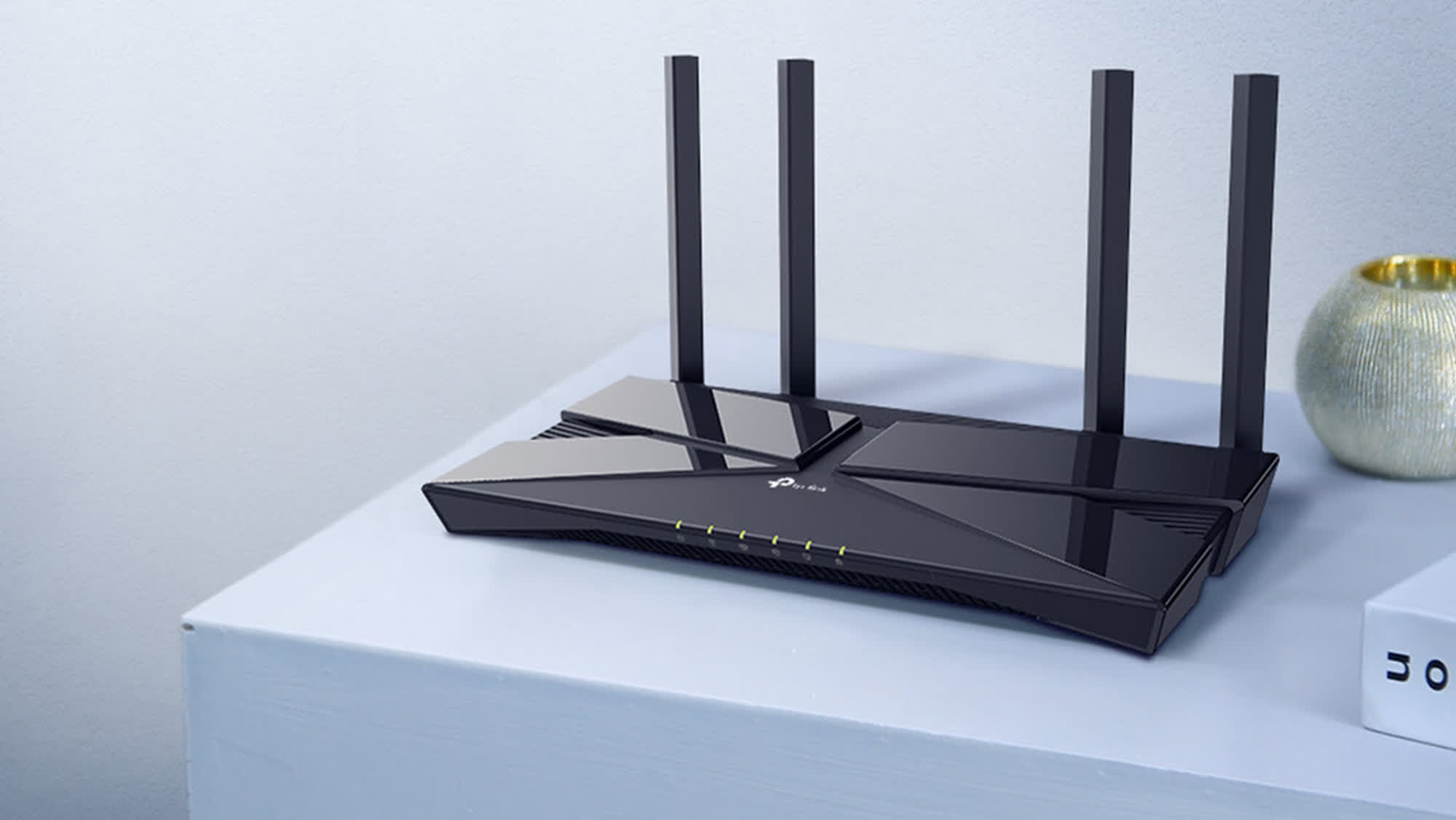
Chinese tech firm TP-Link has announced its first successful Wi-Fi 8 trial using a prototype device. According to the company, the trial – conducted in collaboration with an unnamed partner – successfully validated both the Wi-Fi 8 beacon and data throughput, marking a "critical milestone in Wi-Fi 8 development."

TP-Link added that it is working with multiple "ecosystem partners" to help shape the next-generation wireless technology, which it believes will deliver improved bandwidth, reliability, speed, stability, and efficiency as more devices connect to the internet and applications become increasingly bandwidth-intensive.
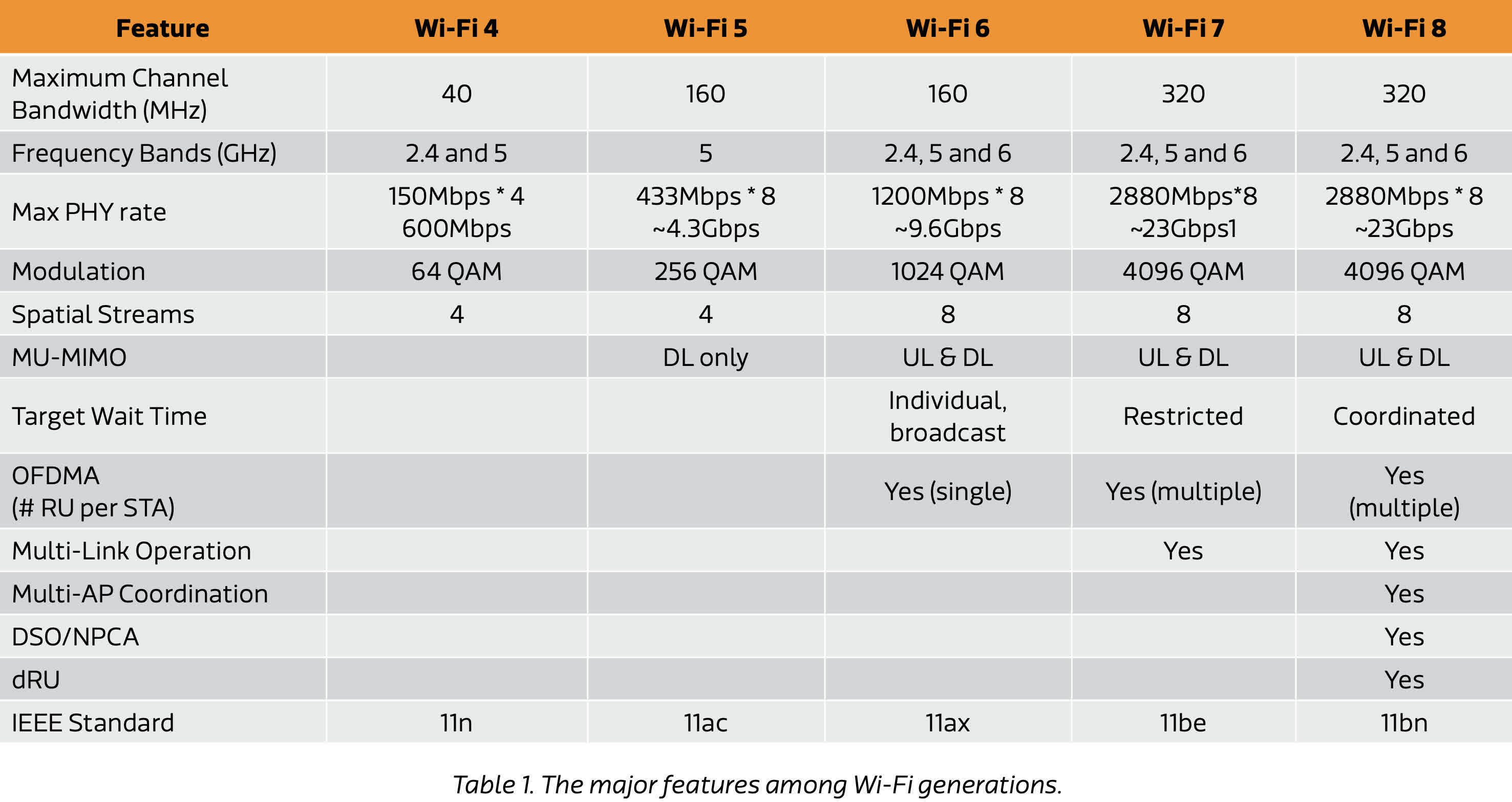
Wi-Fi 8 (802.11bn) is unlikely to be the most exciting update to the Wi-Fi standard, as it will not bring a massive improvement over Wi-Fi 7 in terms of speed, QAM, or bandwidth. According to initial specifications, Wi-Fi 8 will use the same 2.4 GHz, 5 GHz, and 6 GHz bands as Wi-Fi 7, and will retain its predecessor's 48 Gbps data rate, 4096 QAM, and 320 MHz maximum channel bandwidth.

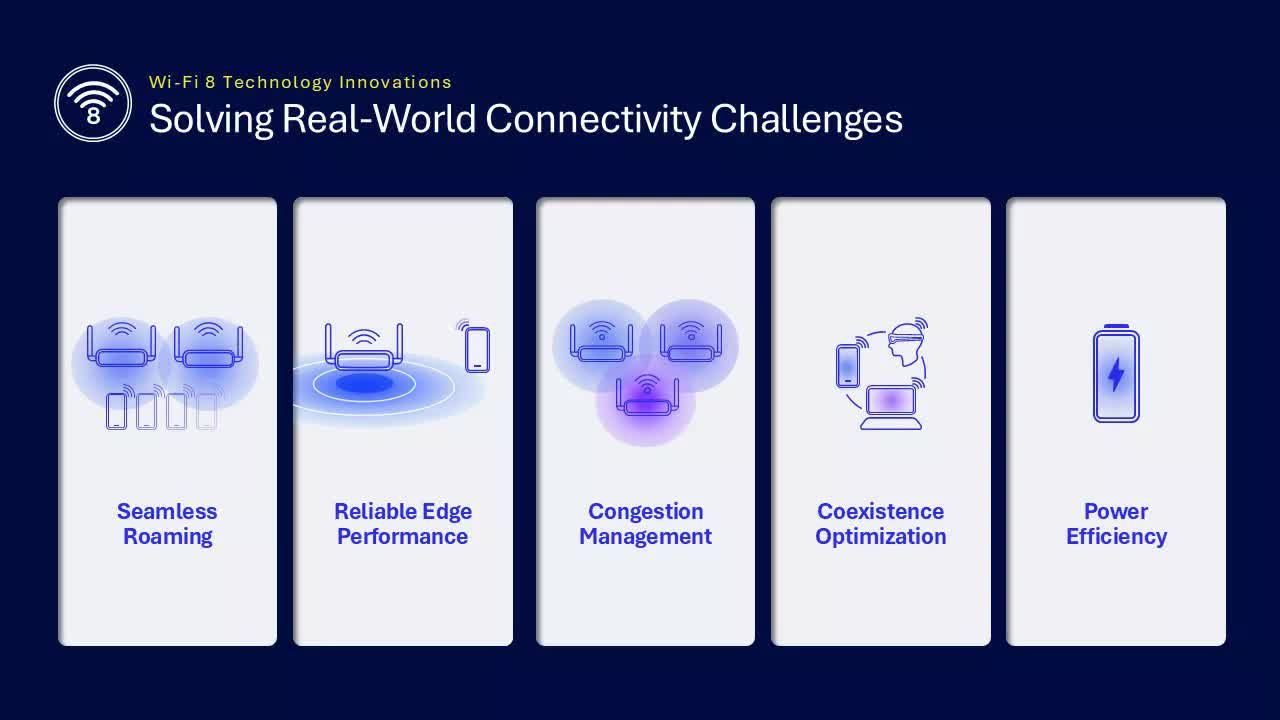
However, Wi-Fi 8 is expected to be significantly more reliable than Wi-Fi 7, thanks to the IEEE's "Ultra High Reliability" initiative. According to Qualcomm's white paper, UHR is designed to lower latency by up to 25 percent at the 95th percentile and reduce packet loss by 25 percent, particularly in environments that require mobility such as campuses, public venues, and factory floors.
While the lower latency will likely boost performance in time-sensitive applications such as gaming, augmented reality, industrial automation, and specialized AI workloads, the reduction in packet loss should enable seamless roaming and uninterrupted connectivity. This makes Wi-Fi 8 more reliable than older standards when moving between multiple access points.

Despite the attention surrounding Wi-Fi 8, it is not expected to be ratified anytime soon. While some draft specifications could be released in 2027, the official Wi-Fi 8 standard is projected to be finalized only in mid-2028. Commercial products that officially support the new standard are not expected to reach the market until late 2028 at the earliest.

Permalink to story:

 
So WiFi 7 but with better roaming and more stable, I'm all for it, I've played with Asus, UniFi, Netgear and Zyxel WiFi 7 AP's and I find MLO just doesn't work properly or does sporadically, Devices that support 6GHz insist on staying on 5GHz regardless of signal quality or rulesets, OR the other way round, as 6GHz gets dodgy, devices refuse to move to 5GHz and just disconnect entirely.

I've been testing with the latest Pixel and iPhones, PS5 Pro, Intel's latest laptop WiFi chips, you do get different behaviour with different devices on different brand access points. I'm yet to try out proper expensive AP's from Aruba, Cisco Meraki, Ruckus etc... They probably work reliably but cost a small fortune and none of my clients are willing to pay for them (yet).
 
So WiFi 7 but with better roaming and more stable, I'm all for it, I've played with Asus, UniFi, Netgear and Zyxel WiFi 7 AP's and I find MLO just doesn't work properly or does sporadically, Devices that support 6GHz insist on staying on 5GHz regardless of signal quality or rulesets, OR the other way round, as 6GHz gets dodgy, devices refuse to move to 5GHz and just disconnect entirely.

I've been testing with the latest Pixel and iPhones, PS5 Pro, Intel's latest laptop WiFi chips, you do get different behaviour with different devices on different brand access points. I'm yet to try out proper expensive AP's from Aruba, Cisco Meraki, Ruckus etc... They probably work reliably but cost a small fortune and none of my clients are willing to pay for them (yet).
at this point, 6GHz is mostly for VR headsets, like the Quest 3 I use to connect to PCVR wirelessly.
 
at this point, 6GHz is mostly for VR headsets, like the Quest 3 I use to connect to PCVR wirelessly.
Na, it's useful for everything really, latency is down, throughput is up over 5GHz, its FAR less crowded, so it's particularly stable, Just being there to free up the 5GHz allows the 5GHz to work more effciently as well.

It's range is down on 5GHz, so you need slightly higher AP density if you want to cover everything in 6GHz, but even if you keep to your current AP density, just getting stuff off 5GHz can help with throughput and latency.

Also, and I've come across this at schools, if someone has gone in and installed brand new WiFi with a full 10GB backbone, but didn't upgrade the edge switches for all the wired in computers, you legit get more throughput on WiFi. Computer stuck at 1G whilst the wireless laptop next to is pulling 1.7G wirelessly.
 
Na, it's useful for everything really, latency is down, throughput is up over 5GHz, its FAR less crowded, so it's particularly stable, Just being there to free up the 5GHz allows the 5GHz to work more effciently as well.

It's range is down on 5GHz, so you need slightly higher AP density if you want to cover everything in 6GHz, but even if you keep to your current AP density, just getting stuff off 5GHz can help with throughput and latency.

Also, and I've come across this at schools, if someone has gone in and installed brand new WiFi with a full 10GB backbone, but didn't upgrade the edge switches for all the wired in computers, you legit get more throughput on WiFi. Computer stuck at 1G whilst the wireless laptop next to is pulling 1.7G wirelessly.
The very poor wall penetration short short range makes it hard to deploy in many places.

It's perfect for when you need high bandwidth video streaming in your home (and the router is not 2 rooms away or on a different floor).
 
The very poor wall penetration short short range makes it hard to deploy in many places.

It's perfect for when you need high bandwidth video streaming in your home (and the router is not 2 rooms away or on a different floor).
Agree. Put a couple rooms between you and the router, and you end up with the same, or worse, speed then WiFi N managed over a decade ago.
 
It's hard enough to get everything on 5 GHz and 6 GHz is only good if you don't have any walls in the way. We've barely gotten people onto WiFi 6/6E and for most people there isn't a compelling case to move to WiFi 7, let alone WiFi 8. And still, if you really want reliability you are still way better off with hardwire over wireless - I have a small house and I used MOCA (uses the TV cable with up to 2.5 Gbe speed without interfering with TV signals) rather than WiFi to connect to my servers (only have 100 Mbps internet). Gigabit ethernet is still pricey for most people and you don't really even need if you're only streaming 4K streaming service (only 25 Mbps for 4K video and Atmos).
 
Back