The big picture: With electricity bills rising due to surging demand from AI data centers, President Trump has called for technology companies to either build their own power plants or help finance new power generation facilities. The directive comes amid growing protests from rural communities over energy-intensive AI data centers that have been rapidly expanding across the country.
Update (March 5): Major tech companies including Google, Microsoft, Meta, Amazon, Oracle, OpenAI, and xAI have now signed a voluntary "ratepayer protection pledge" at the White House, promising to cover the energy costs of their rapidly expanding AI data centers rather than passing those costs on to local electricity customers.
The companies say they will invest in their own power generation, fund grid upgrades, and negotiate special energy agreements with utilities to ensure the massive electricity demands of AI infrastructure do not drive up household bills. However, the pledge is non-binding, and energy experts have warned that without enforceable rules or regulatory oversight, it remains unclear whether the initiative will meaningfully protect consumers as data center power consumption continues to surge.
The original reporting follows below:
During this week's State of the Union address, Trump said he negotiated with leading artificial intelligence companies to establish a "Ratepayer Protection Pledge" aimed at shielding American households from rising electricity costs. The president did not identify the participating companies by name, but sources close to the administration say that Amazon, Alphabet, Meta, Microsoft, xAI, Oracle, and OpenAI are expected to participate.
According to officials, representatives from the companies are scheduled to attend a formal White House meeting on March 4 to sign a commitment to secure their own electricity supply rather than relying solely on existing public power grids. The initiative is intended to help stabilize the aging national electrical infrastructure and prevent further increases in residential electricity costs, even as energy demand continues to grow in the coming years.
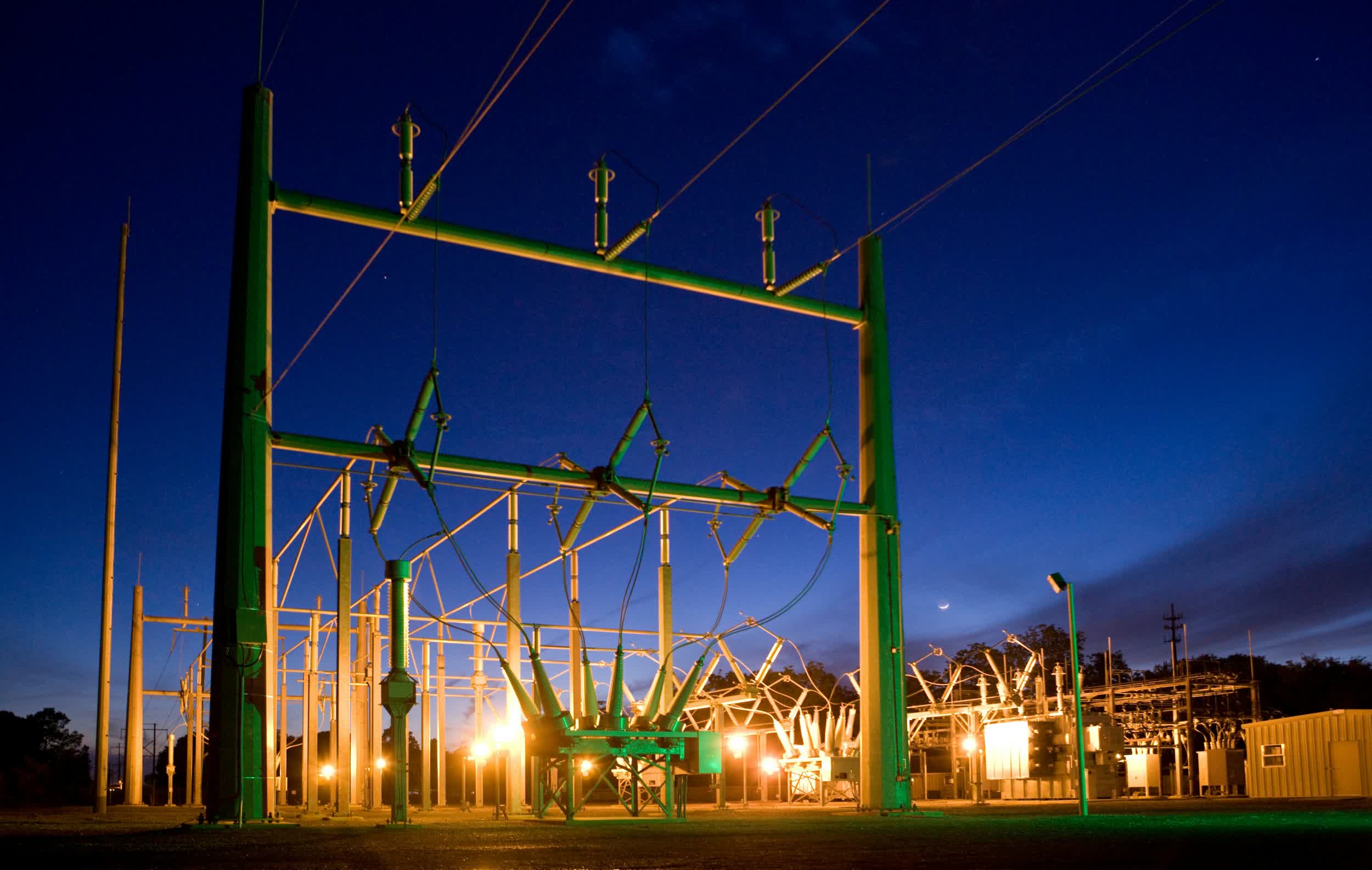
Trump did not provide additional details about the program, though any reduction in monthly utility costs would likely be welcomed by American households amid ongoing inflation and concerns about AI-driven employment displacement. However, reports indicate that the pledges may be non-binding and may carry no legal force, meaning they may not result in direct financial relief for affected communities.
New data center projects have faced widespread protests across several states, with local residents often blaming them for contributing to higher electricity bills. Critics and environmental groups have also accused large facilities of straining regional water resources, arguing that heavy cooling requirements may reduce aquifer levels and create shortages for residential and agricultural use.
Investment in US data center infrastructure reached record levels last year, and major technology companies are expected to continue expanding AI-related infrastructure spending in 2026. Meta has announced long-term plans to invest roughly $600 billion in the US by 2028, while Alphabet, Amazon, and Microsoft have each committed more than $100 billion toward US-based AI and cloud infrastructure over the coming years.
Trump calls on Big Tech to supply their own electricity for AI data centers (updated)


