
What just happened? Donald Trump has long spoken out against countries that take money from US tech giants. Now, the president has threatened to do something about it. Trump says he will slam all countries whose taxes, legislation and regulations target US firms with additional tariff and export restrictions.
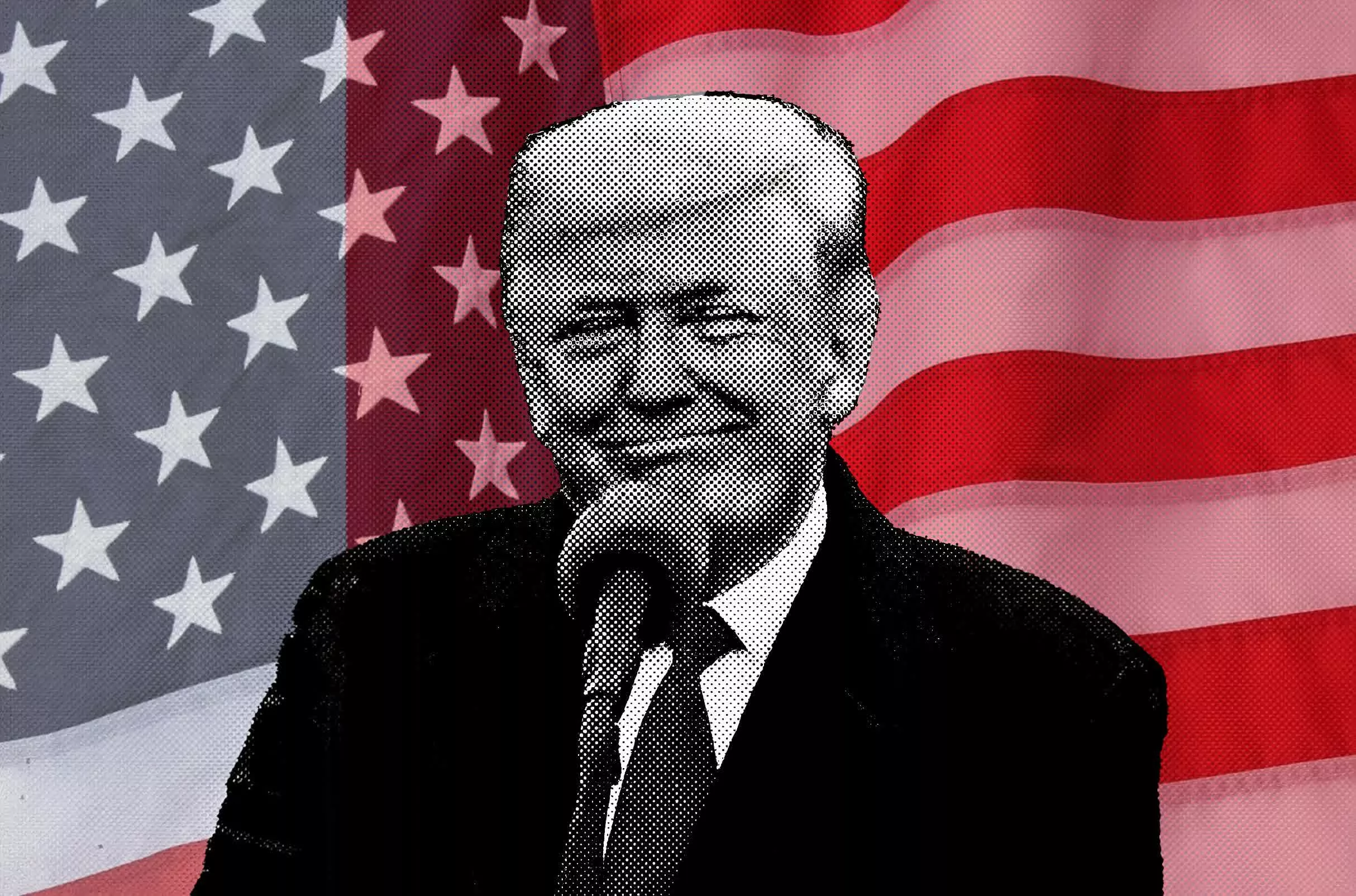
In a post on his Truth Social platform, Trump wrote that "Digital Taxes, Digital Services Legislation, and Digital Markets Regulations are all designed to harm, or discriminate against, American Technology." He added that these measures "give a complete pass to China's largest Tech Companies."
"Unless these discriminatory actions are removed, I, as president of the United States, will impose substantial additional tariffs on that country's exports to the USA, and institute export restrictions on our highly protected technology and chips," Trump warned, adding that America and American tech companies are no longer the "doormat" or "piggy bank" of the world.
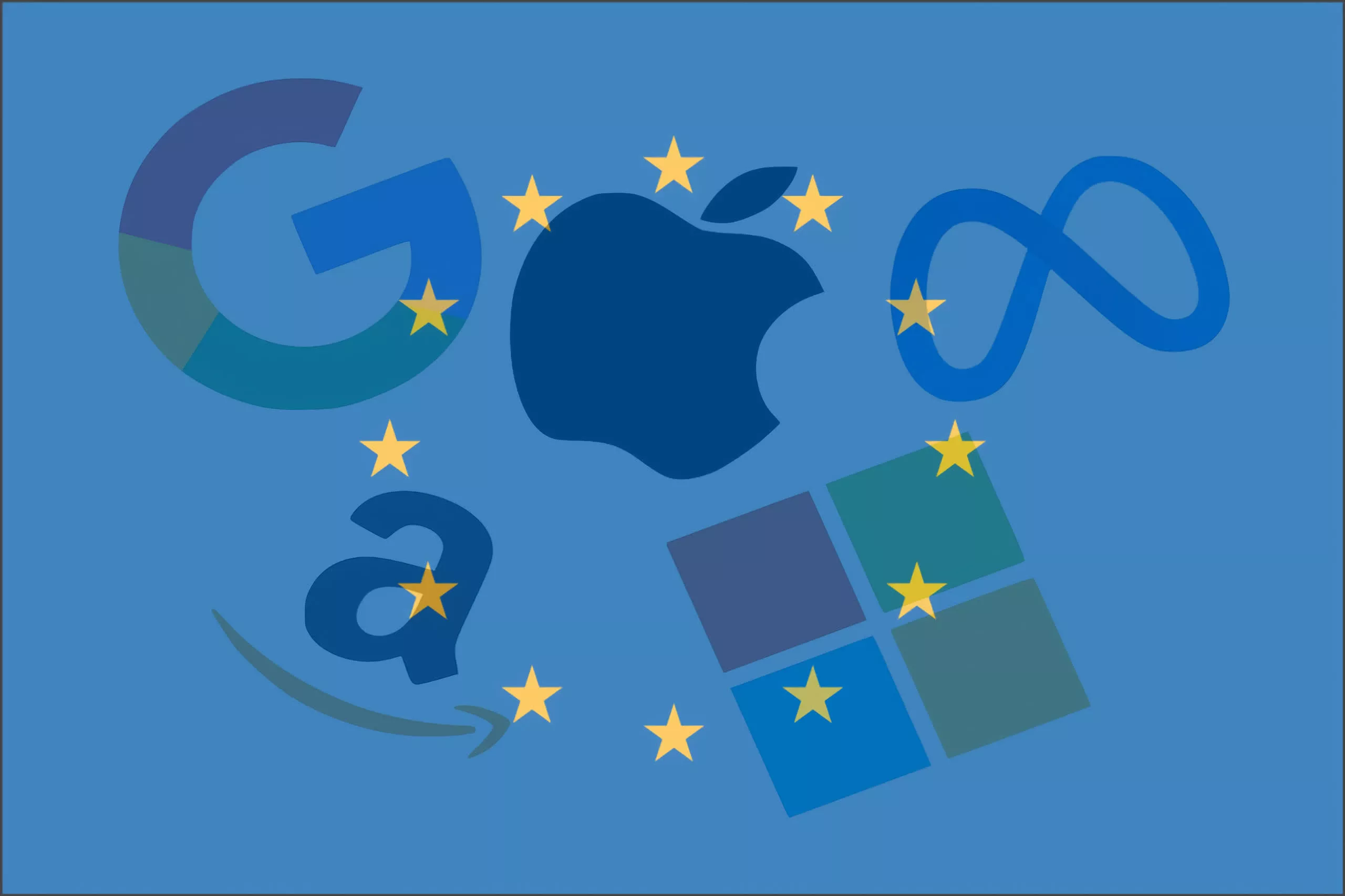
Trump signed an executive order in February – Defending American Companies and Innovators from Overseas Extortion and Unfair Fines and Penalties – instructing the US Trade Representative to probe various foreign digital policies, including the EU's Digital Services Act (DSA) and Digital Markets Act (DMA), for possible retaliatory action.
Reuters reports that some of the retaliatory measures being considered include visa restrictions against EU officials over the DSA.
The UK and several EU member states, including France, Italy and Spain, have digital services taxes in place. The UK's version, which places a 2% levy on the gross UK revenues of large international digital platforms, brings in around £800 million (almost $1.1 billion), with the majority of the money coming from US tech firms.
In April, UK prime minister Keir Starmer offered to reduce the headline rate of the UK's DSA for big US tech companies in return for lower tariffs from the Trump administration.
Canada scrapped its digital services tax in June, days before it was due to come into effect, primarily to rescue stalled trade negotiations with the United States.
The EU's DSA is a regulation designed to make online platforms more transparent and accountable. It requires services to remove illegal content quickly, explain how algorithms and ads work, and give users more control. Very large platforms face stricter rules, including audits and risk assessments, to reduce harms like misinformation while protecting free expression.
The US House of Representatives Judiciary Committee released a report in July that called the DSA a "foreign censorship threat" that threatens the freedom of speech of American citizens.
A State Department spokesperson told Politico, "We are monitoring increasing censorship in Europe with great concern but have no further information to provide at this time."
In April, the EU handed out the first fines under the DMA. Apple was handed the larger fine of 500 million euros ($570 million), while Meta was ordered to pay 200 million euros ($230 million).
The penalties came after a year-long investigation in which the Commission found that Meta forced Facebook and Instagram users to either pay a subscription fee to avoid ads or consent to their personal data being used for targeted advertising.
Apple, meanwhile, broke the DMA's steering rule. This requires gatekeepers – Apple, Meta, Alphabet, Amazon, ByteDance, and Microsoft – to allow business users (like app developers or online sellers) to steer customers to offers or alternative distribution channels outside the gatekeeper's platform, without penalties or restrictions.
No US company has yet been officially fined under the DSA, but investigations into X are ongoing.
Trump threatens tariffs on countries taxing US tech giants with "discriminatory" digital rules


 Good luck with that!

 I mean who wouldnt? Im from Europe and if anyone dares to even add 3% higher taxes, the WHOLE country will burn. 50-100% is unheard of. I cant even imagine 10%.


