
The big picture: Television prices have fallen faster than almost any other consumer product over the past 25 years, a quiet but striking shift in the economics of home electronics. A closer look at the trend reveals a mix of manufacturing breakthroughs, scale effects, and intensifying competition, as once-budget brands steadily close the gap with long-dominant players.
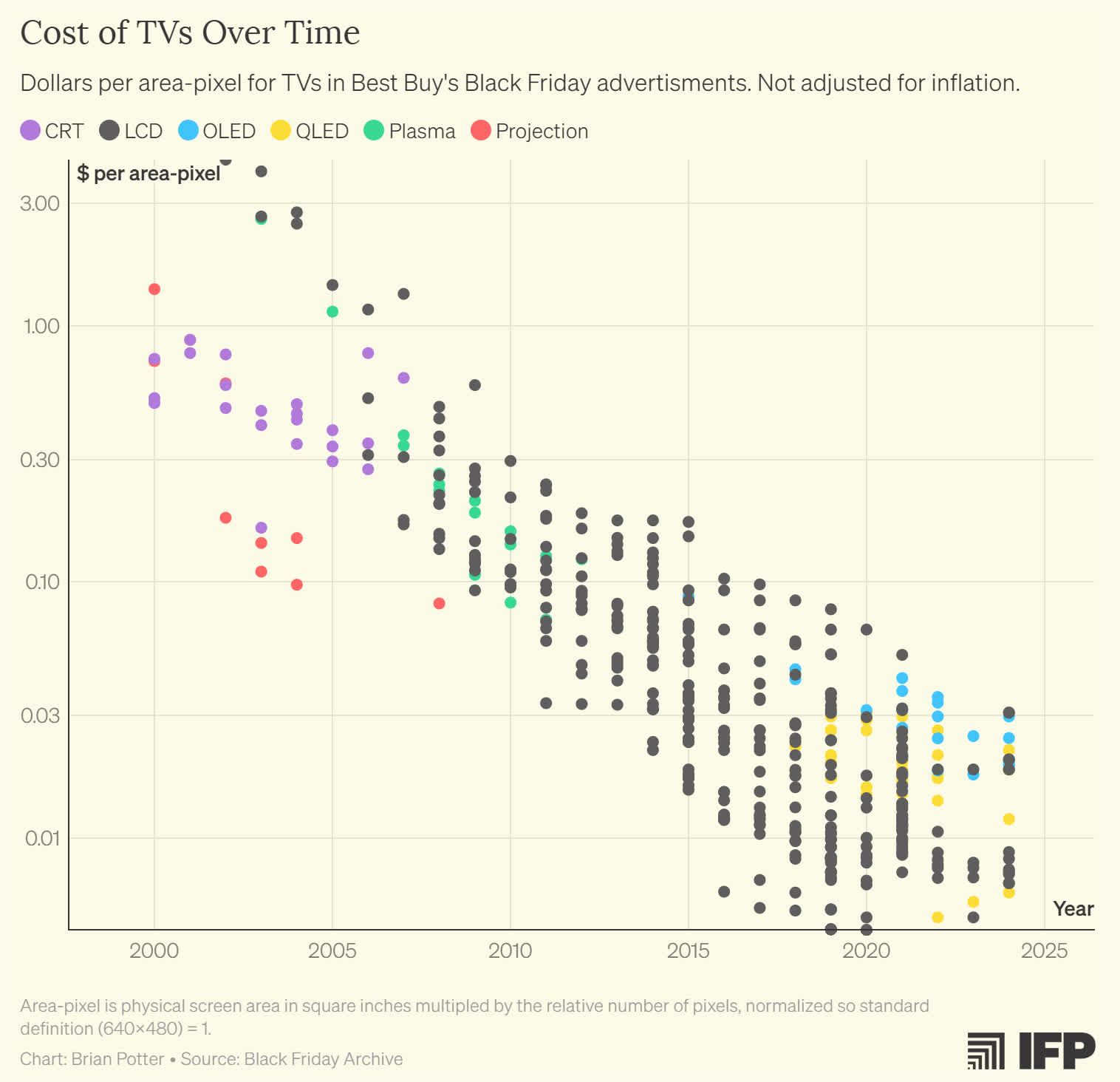
A review of Black Friday ads spanning the past quarter-century shows that TV prices have dropped by more than 90 percent since 2000, even after accounting for dramatic increases in screen size and resolution. According to Brian Potter of the Institute for Progress, the decline is largely the result of relentless optimization in LCD manufacturing, where companies have employed every trick in the book to lower production costs.
That trajectory stands out even among other manufactured goods. Data from the Bureau of Labor Statistics shows that manufactured goods such as cars, furniture, clothing, toys, and computers have become steadily more affordable over the past few decades – but TVs are an extreme case.
Large TVs that sold for around $1,000 in the year 2000 plummeted to as low as $200 during last year's Black Friday sales. Potter's analysis highlights how those price drops continued even as displays grew larger and packed in far more pixels.
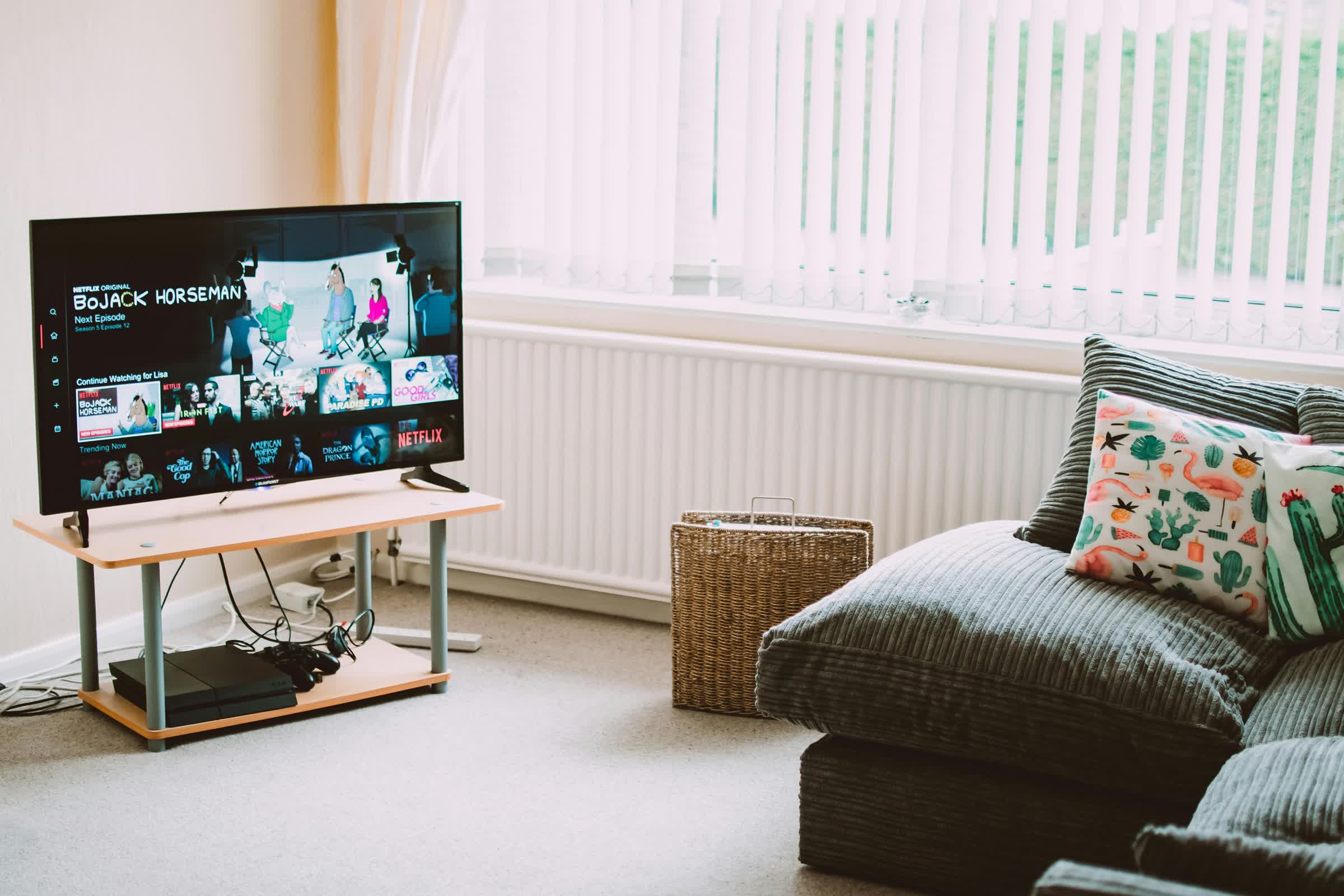
Manufacturers achieved much of this progress by borrowing strategies from the semiconductor industry. Chipmakers reduced costs by producing larger wafers capable of yielding more chips per run. LCD manufacturers adopted a similar approach, expanding the "mother glass" sheets from which panels are cut – by nearly 100 times since the 1990s. This tactic significantly reduced equipment costs while allowing manufacturers to support a wider range of screen sizes.
Additional gains came from streamlined production processes, increased automation, clean-room manufacturing, improved glass substrates, and more efficient liquid crystal filling techniques. Demand for LCDs also expanded alongside the rise of PCs, smartphones, and tablets, justifying the construction of massive facilities that can now produce more than a million screens per day.
At the same time, intensifying competition among industry giants such as Sony, LG, and Samsung has reshaped the market. Affordable models from newer competitors, including China's Hisense and TCL, have further altered the landscape. Once viewed primarily as budget brands, both companies now frequently appear on best-value lists and have begun pushing into the premium segment.
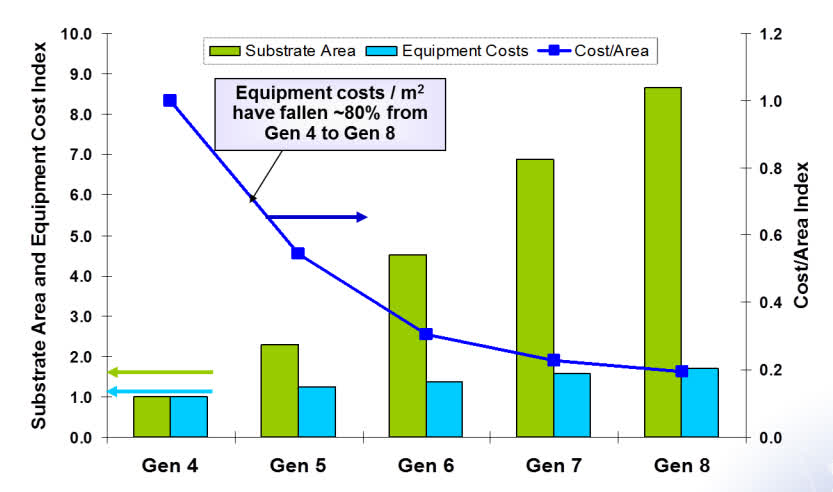
Source: Corning
OLED displays, while still relatively expensive, continue to gain ground, but Mini LED technology has kept LCDs competitive by narrowing the quality gap. Backed by government subsidies and proximity to supply chains, Hisense rolled out RGB Mini LED TVs last year, while TCL unveiled a new Super QLED model at CES 2026. TCL has also recently overtook Samsung and LG in premium TV shipments.
Whether this downward pricing trend can continue remains to be seen. Tariffs and the AI boom have already slowed or reversed price declines across other electronics categories. Although TVs typically do not require large amounts of RAM, Samsung has warned that memory shortages driven by data center demand could eventually push TV prices higher.
TV prices have fallen more than 90% since 2000, thanks to mass scale


