What just happened? The University of Chicago Law School is tightening its rules on classroom technology in response to the way artificial intelligence is reshaping legal education. Starting this fall, first-year law students will be barred from using laptops, tablets, or phones in class under the new policy. The school is also strengthening its exam rules. All tests will be administered in person, with no access to the internet, electronic files, or apps. In addition, students will participate in oral discussions with professors about their research papers, a measure the school says is intended to verify students' understanding of and authorship of their work.
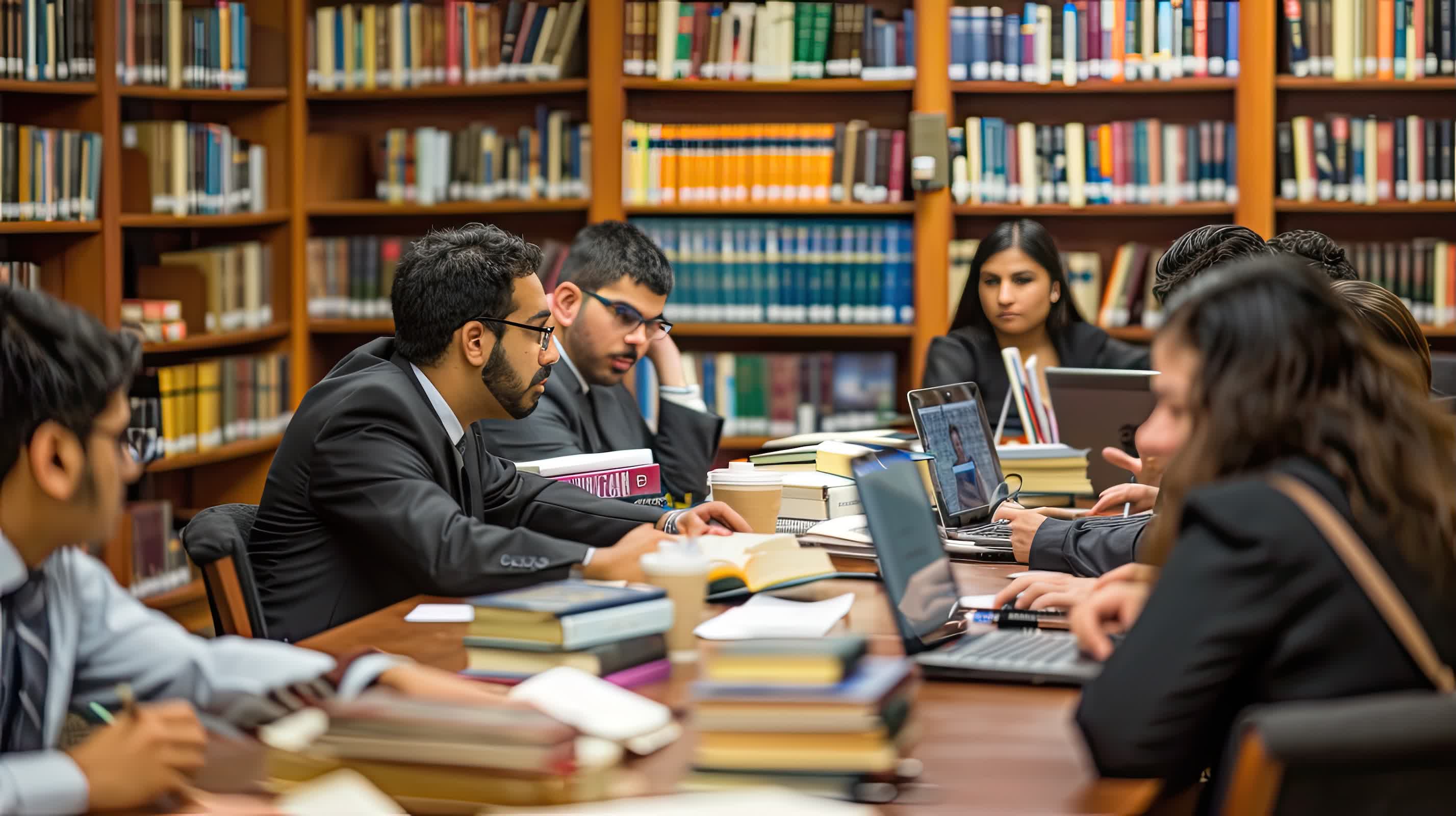
In its announcement, the law school said the changes are a response to the way AI is disrupting higher education. "With AI disrupting higher education, our commitment to rigorous legal education must also mean being open to rapid adaptation," the school said.
The policy reflects growing concern on campuses that easy access to generative AI can weaken key skills when students rely on it too heavily. The memo warns that using AI can "stunt intellectual growth," make students overly reliant on the technology, and prevent them from developing critical-thinking skills.
At the same time, the school stressed that it is not banning AI. Instead, the goal is to clarify what constitutes productive use and what does not.
"If you want to use AI as a study partner, if you want to use AI to ingest your notes from class and then create questions to quiz you on the material, that's great," said William Hubbard, a professor of law and economics and chair of the AI Committee. "That's not a shortcut. There are ways that using AI can strengthen the learning process and that's what we're trying to lean into."
Clinical professor Mark Templeton, who also sits on the AI Committee, said the focus is on guiding students "toward using AI in ways that promote learning rather than inhibit it."

While individual professors elsewhere have tried banning devices, Chicago's school-wide rules for first-year classes go further than typical classroom policies. The school said it made the decision after professors tested device bans and both students and faculty reported positive results.
Law schools also face their own pressures. The legal profession has already seen multiple cases in which attorneys submitted filings containing AI-generated errors, including fabricated case law and incorrect citations. Judges have rebuked lawyers in several of those cases, underscoring the risks of using tools that can sound confident while being wrong.
Other law schools are taking stricter positions. The University of California, Berkeley School of Law has banned students from using AI to "conceptualize, outline, draft, revise, and edit their work" for coursework and exams.
Chicago's approach is different. Rather than trying to shut AI out, the school treats it as a technology that lawyers will inevitably have to work with.
"It is simply unrealistic to think that students and lawyers will not use AI," the memo states. "But legal technology is changing rapidly, and there is no guarantee that the specific AI tools or techniques that are ascendant today will be useful when current students enter practice."
By banning devices in class while allowing some AI use outside it, the law school is trying to keep the core work of learning separate from what the software can do for students. The goal is to ensure that students can do the work themselves first and only then use technology to support, rather than replace, those skills.


