
What just happened? New details on the UK Royal Navy's massive submarine drone, Excalibur, have been revealed. Measuring 40 feet long and 6.5 feet wide, the 19-tonne Extra-Large Uncrewed Underwater Vehicle (XLUUV) is capable of being remotely operated from distances beyond 10,000 miles – effectively from "the other side of the world."
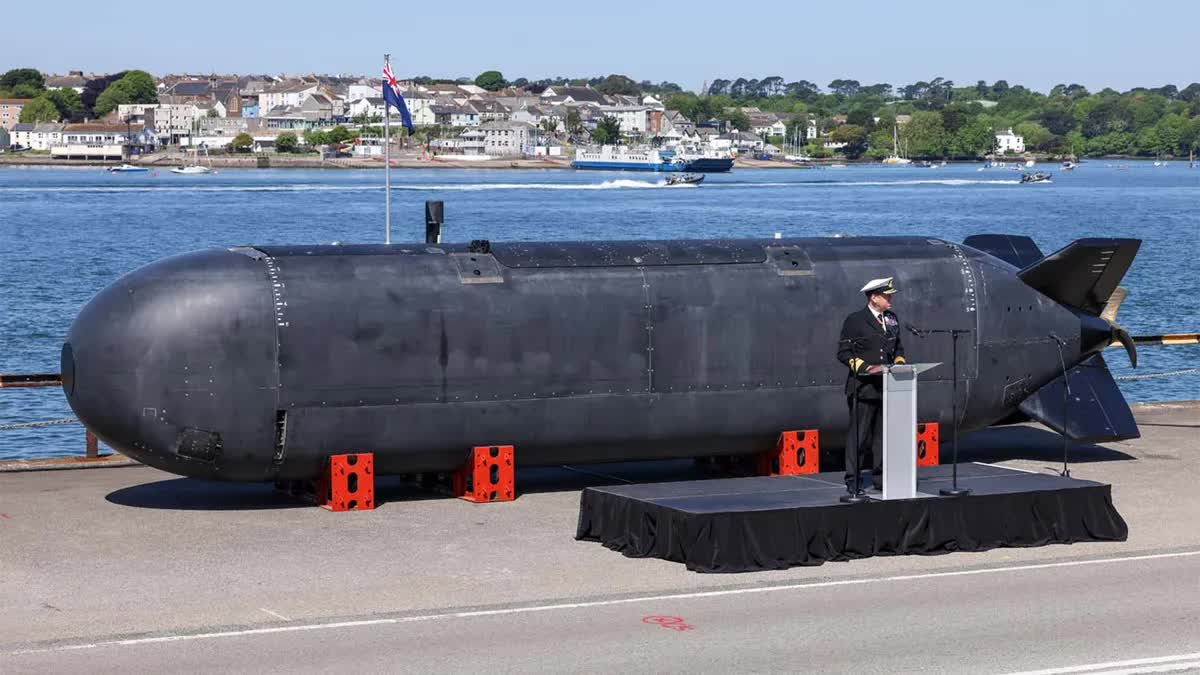
Developed by technology firm MSubs from Plymouth under the UK's Project Cetus, Excalibur was unveiled in May and is the largest uncrewed submarine in Royal Navy history. It's been purpose-built for long-endurance operations, seabed warfare, and surveillance missions in contested or denied environments.
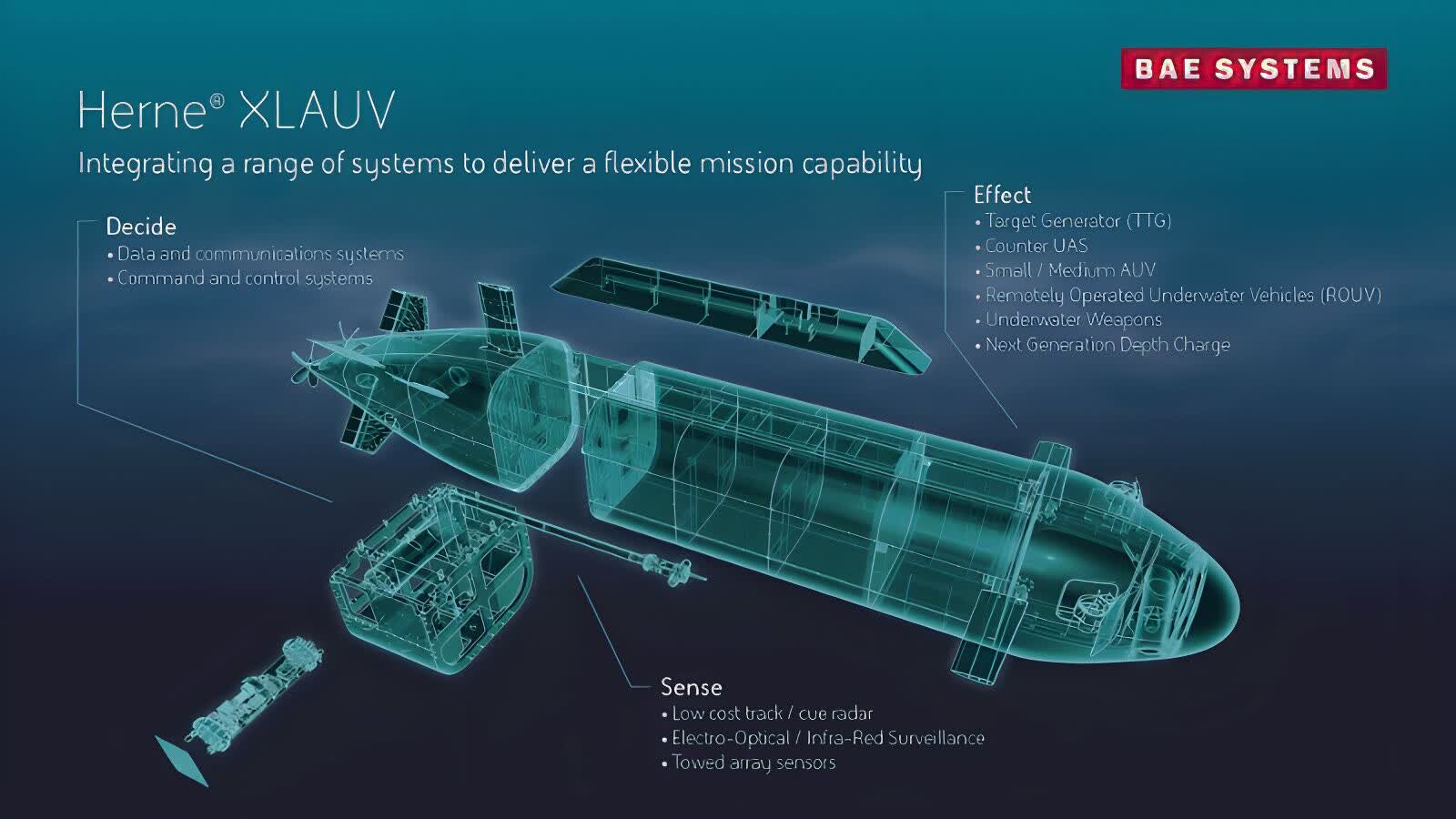
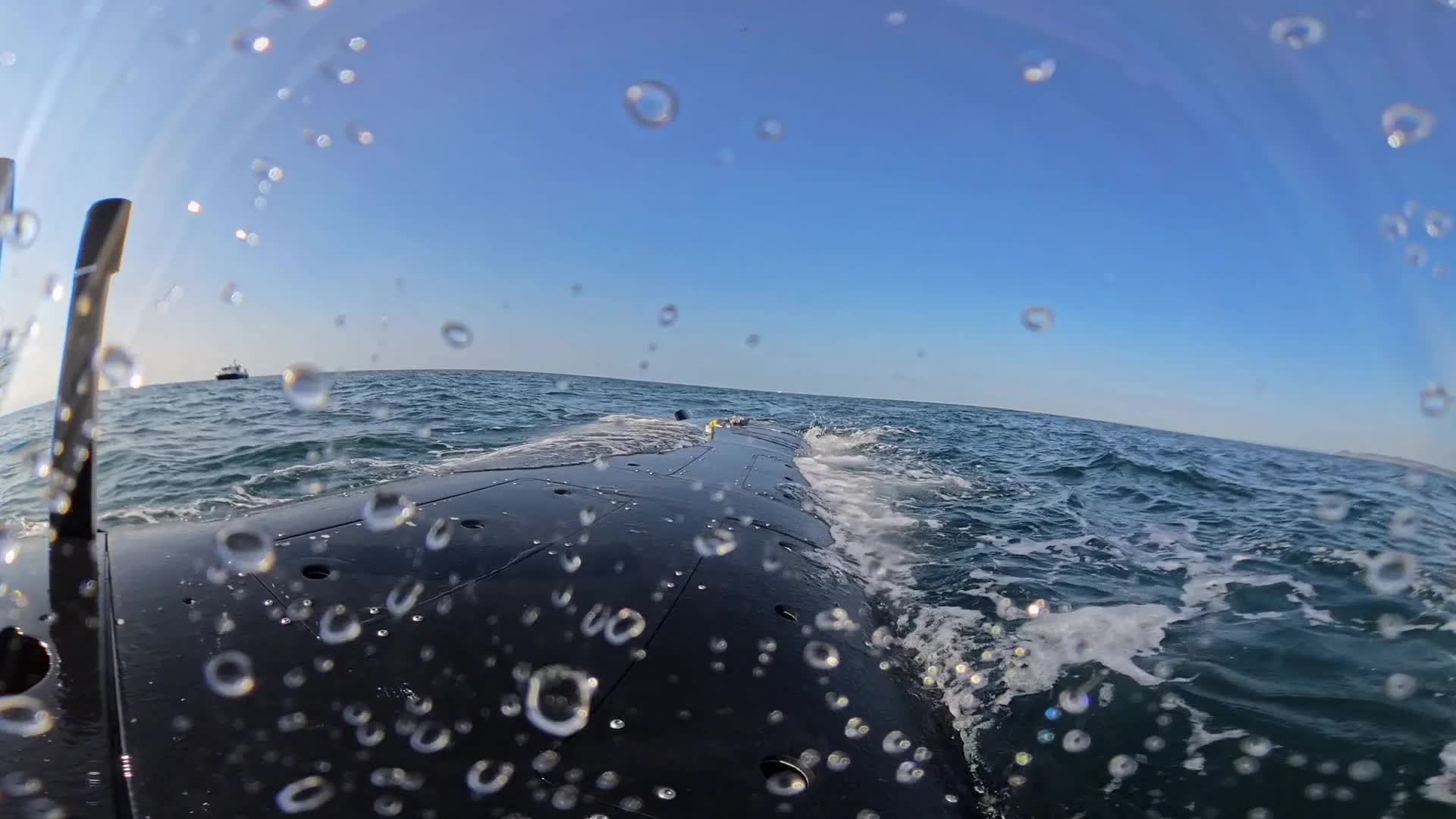
In a recent series of trials, conducted under the AUKUS Pillar II framework and integrated into the Exercise Talisman Sabre war games, Australian operators successfully controlled Excalibur remotely from more than 10,000 miles away.
The trials, held in waters near Papua New Guinea, included participation from the US, Australia, and the UK, as well as observers from France, Japan, and South Korea, highlighting the strategic significance of the project.
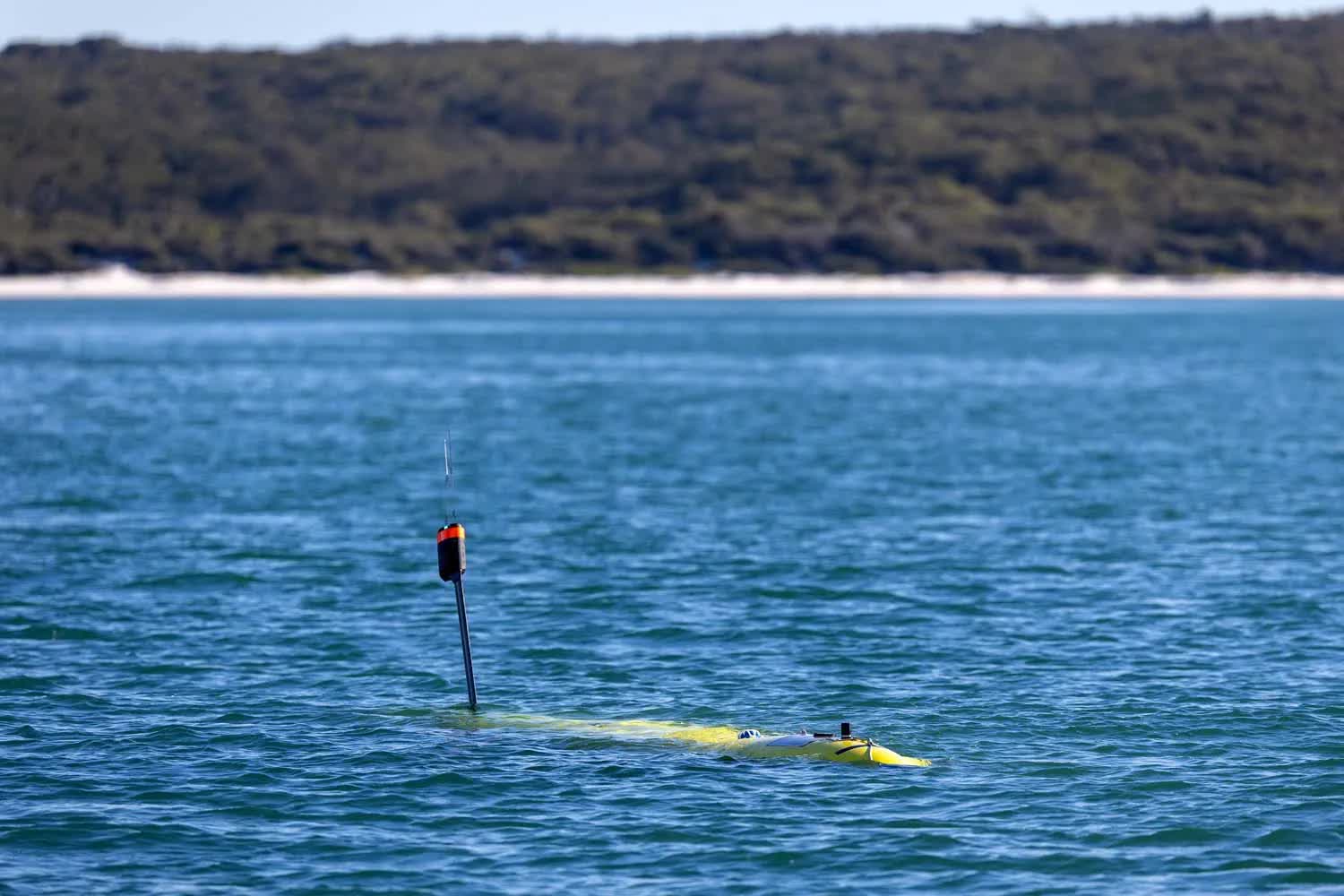
While Excalibur is primarily a technology demonstrator, industry analysts suggest its payload capacity could be used for deploying sensors or other equipment, enhancing undersea surveillance and anti-submarine warfare capabilities.
This initiative is part of a broader trend among Western navies toward autonomous underwater systems, such as the US Navy's Orca XLUUV and similar programs in Australia and France. These systems are viewed as cost-effective, high-value complements to traditional, crewed submarines.
As Excalibur continues its two-year testing phase, defense officials emphasize its role in the Royal Navy's shift toward a hybrid fleet of manned and unmanned systems. The successful long-distance operation demonstrates both rapid technological advancement and growing interoperability among AUKUS partners.
The UK's Ministry of Defence has also pursued other uncrewed undersea tools, such as ROVs equipped with sensors and explosives, to counteract threats posed by Russia to undersea infrastructure.
Last week, Finland charged crew members of what is believed to be a Russian "shadow fleet" tanker with dragging its anchor to cut undersea cables between Finland and Estonia in 2024.
Last December, NATO said it was planning to deploy a fleet of unmanned surface vehicles (USVs) designed to patrol critical naval zones and protect undersea telecom infrastructure located on the seabed in regions like the Baltic and Mediterranean.
UK Royal Navy tests its 40-foot submarine drone that can be operated from 10,000 miles away


