UK's DragonFire laser proves combat readiness with high-speed drone kills

Alfonso Maruccia

Posts: 2,511   +934
Staff
Deadly lasers: Laser and power-based weapons are a staple of most science-fiction literature. According to the latest data provided by the Royal Navy, they may soon become part of the equipment that European allied forces can readily deploy in naval warfare.
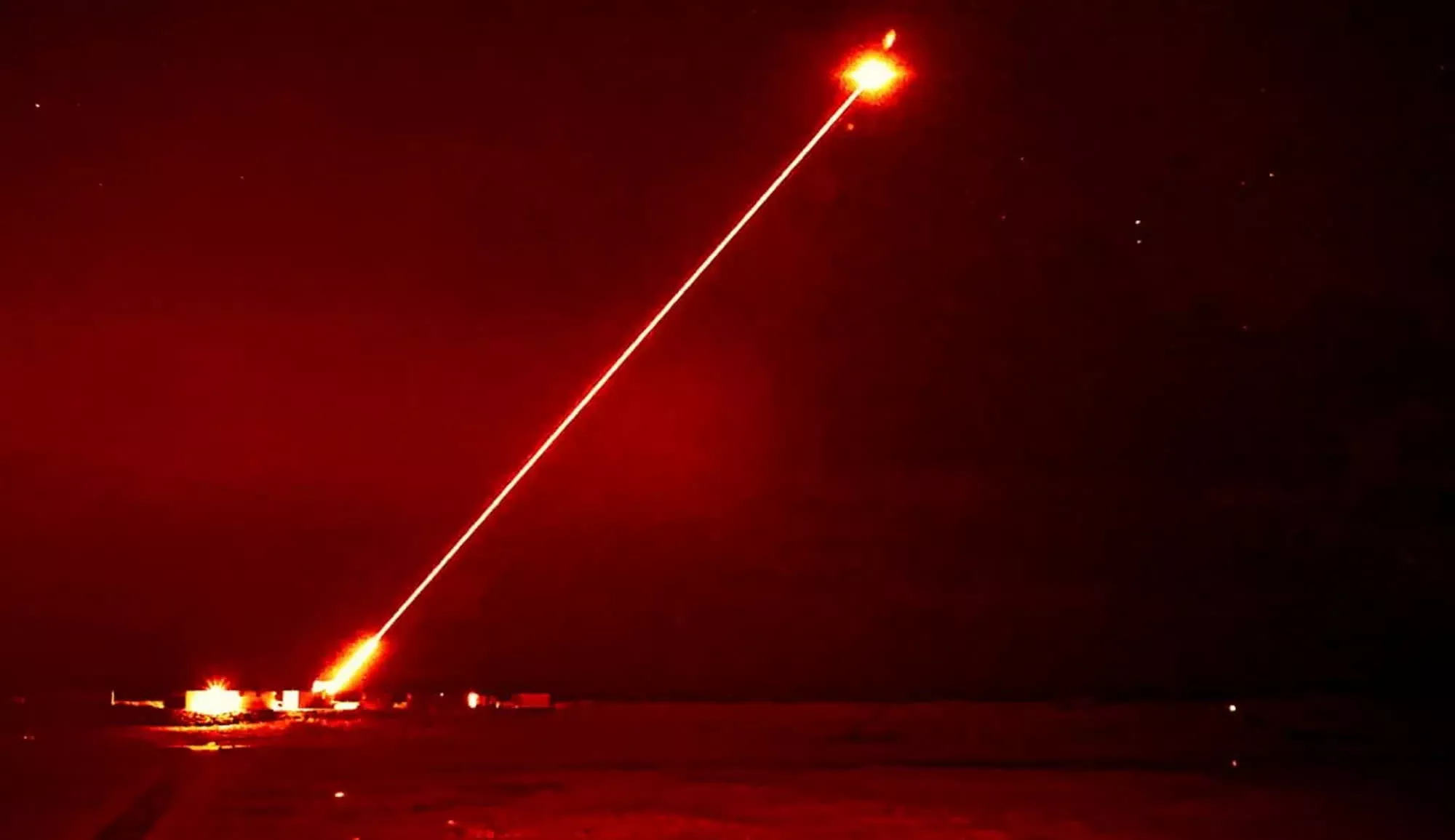
The UK Royal Navy recently confirmed that the DragonFire laser has achieved a significant new milestone, targeting and destroying high-speed drones. Compared to traditional weapons, the energy-based system can provide a truly impressive cost-cutting benefit. It is also highly accurate and doesn't leave any ammunition shells behind.

The Royal Navy has been testing the DragonFire system for years. In the latest trials, the weapon successfully detected, tracked, engaged, and destroyed several drones flying beyond the horizon at 650 km per hour. This "UK first" achievement demonstrates that the weapon is almost ready for active duty, and the Navy is now prepared to invest significant funds into the project.

Following these successful tests, UK authorities have awarded DragonFire creator MBDA UK £316 million (around $414 million) to continue developing the weapon system. The laser is so accurate it can hit a £1 coin at a range of one kilometer, the Navy said. DragonFire is also extremely cheap to operate, with every "shot" costing around £10, compared to the more than £1 million spent for every Sea Viper missile.
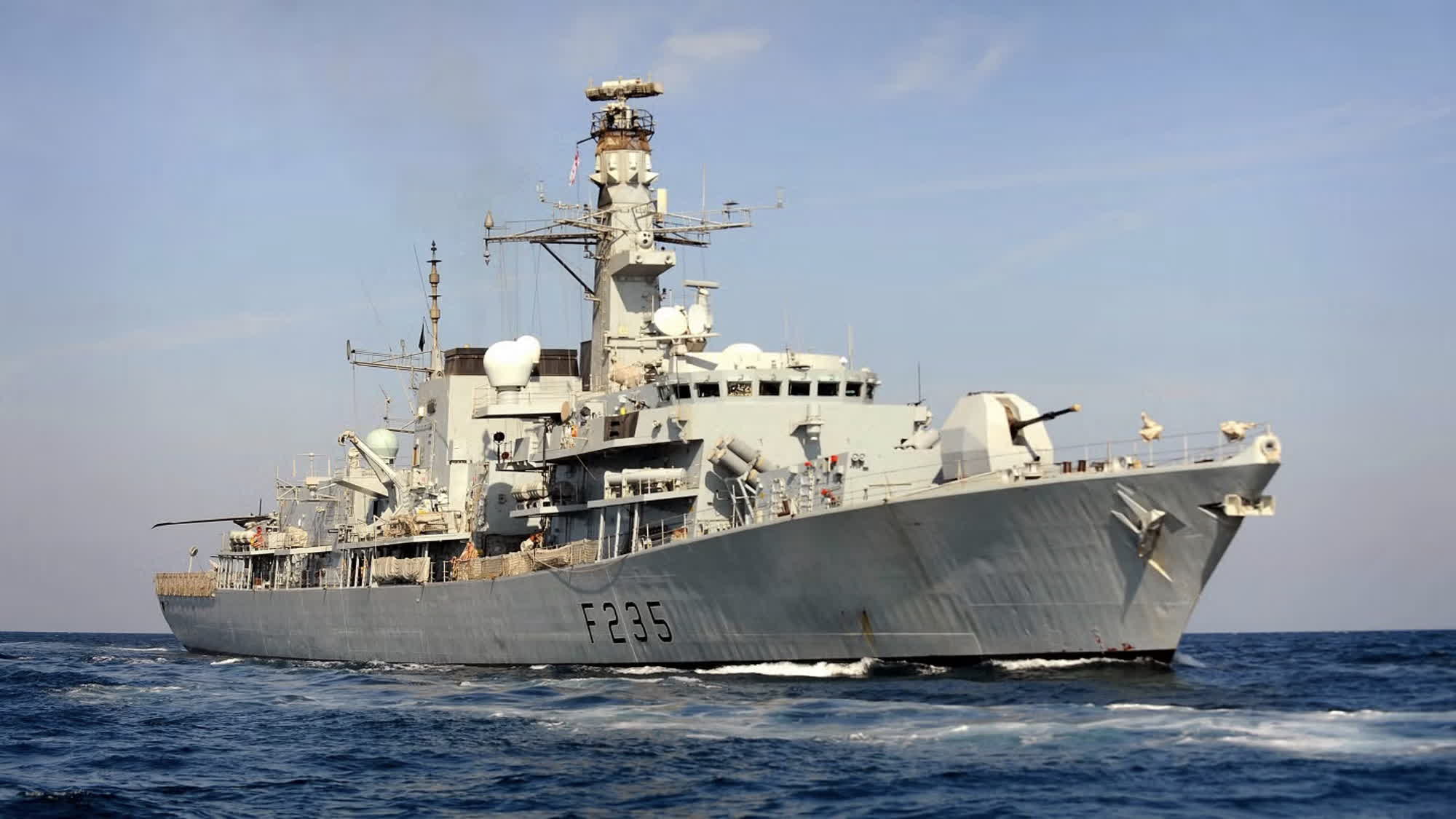
UK contractor MBDA will now cooperate with QinetiQ and Leonardo to further refine DragonFire's design and functionality. The Navy expects to install the first "commercial" series of the laser weapon on a Type 45 destroyer-class warship within two years. If things go according to schedule, DragonFire will enter active duty five years ahead of the original plans.

UK authorities have highlighted the many "firsts" related to DragonFire's technology and successful engagement tests. The system will be the first high-power laser weapon to enter service with any European nation, providing an innovation edge to NATO forces as well. The new funding will also create or sustain around 600 skilled jobs across the United Kingdom.

DragonFire is part of the UK Strategic Defence Review (SDR), which aims to renew the country's entire defense system while bringing innovative laser weapons into service.

The UK Parliament is investing an additional £1 billion in SDR. According to the UK government, defense-focused initiatives are now to be considered an "engine for growth" – despite the fact they involve building and deploying tools designed to kill people and, increasingly, drones.

Permalink to story:

 
Amazing technology. Focusing 50,000 Watts on a tiny point at a range of up to 3 miles. Can take down missiles as well as drones and can continue to focus on a single target for up to 10 seconds if necessary to ensure it's toast.

Edit: awaiting the usual anti-UK Russian Troll farm responses from the usual suspects...
 
Why the picture of the old decommissioned frigate? Just curious. No royalty free Type 45 Destroyer images?

Type 45 is perfect for the platform because it's focused on air defence, and because it had serious electrical power issues from original design flaws. To the point they tore the guts out of each one and fitted a whole bunch more electrical generation capacity, which suits a laser like this very well.
 
Amazing technology. Focusing 50,000 Watts on a tiny point at a range of up to 3 miles. Can take down missiles as well as drones and can continue to focus on a single target for up to 10 seconds if necessary to ensure it's toast.

Edit: awaiting the usual anti-UK Russian Troll farm responses from the usual suspects...
Is the Russian in the room with us right now?
 
It's good to see someone finally got this to work. The US had test lasers on a couple of aircraft and a frigate in the 1970's It just supprises me that it took 50 years to make it practical.
 
"In the latest trials, the weapon successfully detected, tracked, engaged, and destroyed several drones flying beyond the horizon.."

lol. This sentence has some issues starting with it's a line of sight weapon. I'm picturing the weapon depressing to below the horizontal and taking out sailors, decking, and boiling the sea on it's way to the target "beyond the horizon".
 
A mirror (unless a perfect reflector of all light - which they never are) will degrade and fail in milliseconds under the stress of a 50KW laser beam. Do you really think intelligent people capable of designing and building something this sophisticated wouldn't have thought about scenarios like that?

Nevermind they're heavy, on a platform that has very tight weight requirements.
 
Amazing technology. Focusing 50,000 Watts on a tiny point at a range of up to 3 miles. Can take down missiles as well as drones and can continue to focus on a single target for up to 10 seconds if necessary to ensure it's toast.

Edit: awaiting the usual anti-UK Russian Troll farm responses from the usual suspects...

Just one question: what if the Russians become so brazen that they attack a warship not with slow drones, but with anti-ship missiles flying at Mach 2, such as the P-800 Onyx?

I don't want to upset anyone, but no one is trying to sink ships with quadcopters. What kind of targets will this floating power plant with a laser turret be used against?
 
"In the latest trials, the weapon successfully detected, tracked, engaged, and destroyed several drones flying beyond the horizon at 650 km per hour."

The problem is that anti-ship missiles fly at 750 m/s. What is this "Dragon" trying to shoot down? Homing pigeons?
 
I was wondering whether we might send this to Ukraine for" testing" but I suspect Gepard and Sky Ranger 30 systems are simpler, more effective and have more range.
 
No similar science fiction project ever reached full operational status.
Reagan's "Star Wars" project was even more promising.
 
"In the latest trials, the weapon successfully detected, tracked, engaged, and destroyed several drones flying beyond the horizon.."

lol. This sentence has some issues starting with it's a line of sight weapon. I'm picturing the weapon depressing to below the horizontal and taking out sailors, decking, and boiling the sea on it's way to the target "beyond the horizon".

My first thought too. It doesn't look very elevated but I guess it could be below the horizon at deck level.
 
I was wondering whether we might send this to Ukraine for" testing" but I suspect Gepard and Sky Ranger 30 systems are simpler, more effective and have more range.
This system is super-cheap once it's set up. Can pop away indefinitely with negligible cost per use. I would have thought that mounting these on top of building around Ukraine's cities would be incredibly useful. Stop Vlad-le-Putain from mindlessly throwing cheap North Korean and Iranian drones over the border to prove he is still fighting a war and not just pretending now because Ukraine completely chopped his balls off about 2 weeks after he invaded.
 
This system is super-cheap once it's set up. Can pop away indefinitely with negligible cost per use. I would have thought that mounting these on top of building around Ukraine's cities would be incredibly useful. Stop Vlad-le-Putain from mindlessly throwing cheap North Korean and Iranian drones over the border to prove he is still fighting a war and not just pretending now because Ukraine completely chopped his balls off about 2 weeks after he invaded.
Risk: If it was cheap then I'd agree with you but I suspect it would become a high value target in itself. The Russian's would just try and sabotage the building and claim it as a huge political victory over western technology.

Range: I believe the range is 1km so that protects an area of just over 3 square km (just over a square mile). That's fine for protecting a power station but not a city. The Gepard has a range of 5km so that protects an area of nearly 80 square km (about 30 square miles).

Counter measures: it can hit fast flying drones in a straight line but what happens if they're changing direction constantly? What happens if the drones have a mirrored surface. I suspect it needs more testing.

Cost: The laser is definitely cheaper at $10 a kill but as long as what you're firing is cheaper than the drone then it doesn't matter too much. It's also new tech so they'd probably need expensive British boffins to operate it while the Gepard is old tech and simpler to operate.

I do think it's great tech but I don't think it's ready to deploy just yet. Other alternatives might be a number of ground based Bofors 40 which might offer decent protection to a city but obviously I'm no expert.
 
Back