
Why it matters: The storage typically used in smartphones and other portable devices has traditionally been slower than the NVMe found in PCs and game consoles. An upgrade to the Universal Flash Storage protocol could change with the release of UFS 5.0, which boasts faster speeds than most NVMe SSDs.

The Joint Electron Device Engineering Council (JEDEC), which sets the standards for internal storage used in most smartphones and portable devices, recently announced that it is developing a next-generation protocol called UFS 5.0. The new standard will support transfer speeds of up to 10.8 GB/s.
The organization did not clarify whether the figure referred to sequential read or write speeds, but either would represent more than double the storage performance of today's fastest smartphones. For comparison, the Samsung Galaxy S25 and Xiaomi 17 use UFS 4.0, introduced in 2022, which delivers sequential read speeds of up to 4.2 GB/s and write speeds of up to 2.8 GB/s. The Nintendo Switch 2's UFS 3.1 storage, by contrast, reaches 2.1 GB/s for reads and 1.2 GB/s for writes.
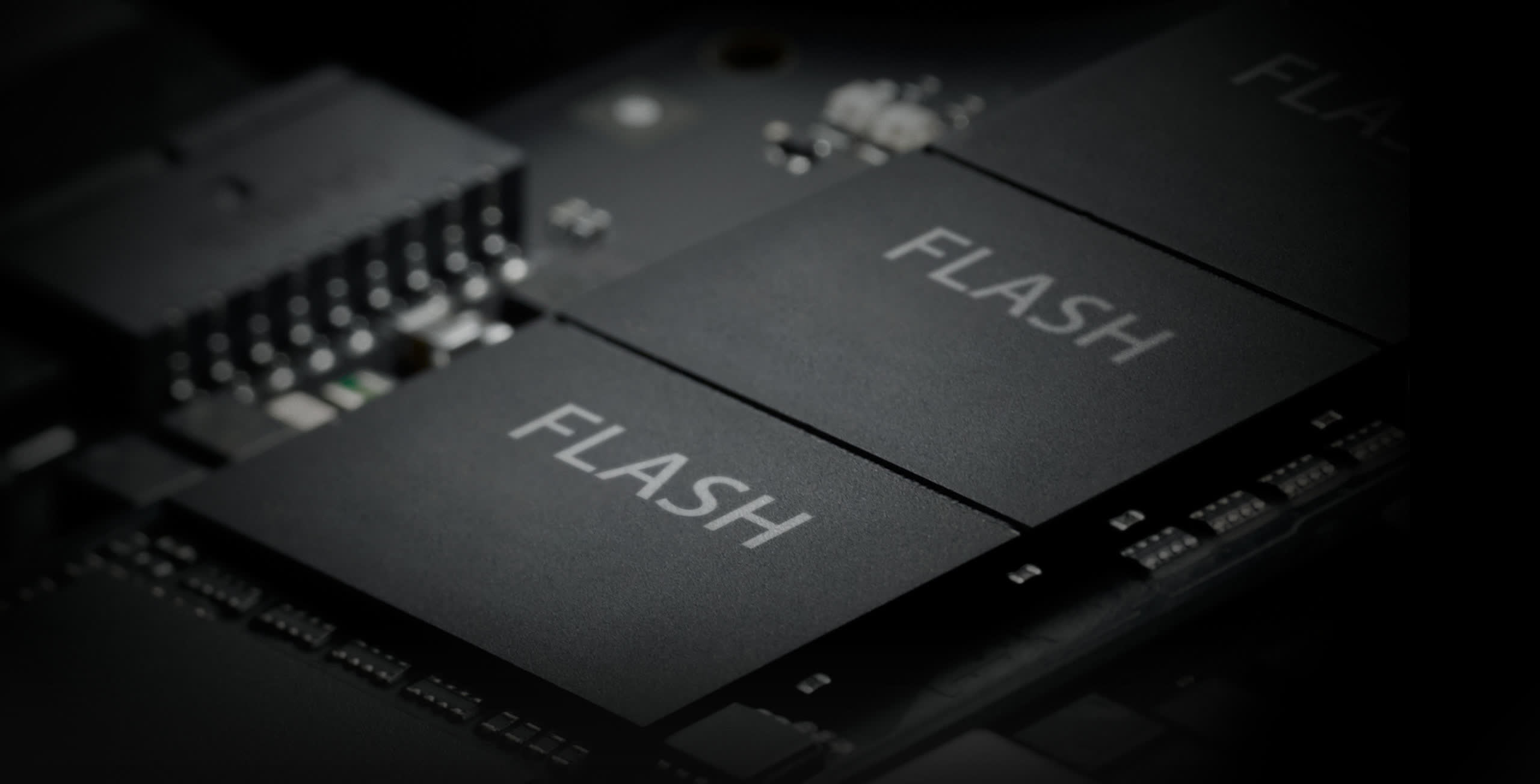
The USF 4.0 standard already outpaces the PCIe 3.0 NVMe solid-state drives still found in many older PCs and in the Xbox Series consoles, which reach about 3.5 GB/s. However, the PlayStation 5 and newer PCs use PCIe 4.0 drives capable of speeds between 5.5 and 7 GB/s.
The updated standard lands within range of the fastest PC solid-state drives, which use PCIe 5.0 to reach speeds between roughly 10 and 14.8 GB/s. However, UFS 5.0's release date remains unclear, and experimental PCIe 6.0 drives have achieved between 27 and 30 GB/s. The consortium that manages PCIe development is already preparing versions 7.0 and 8.0, expected to double and quadruple those speeds in the coming years.
Although UFS has trailed NVMe in speed, its energy efficiency makes it appealing for smartphones, wearables, edge computing, automotive applications, and some game consoles. With UFS 5.0's higher speeds, JEDEC says it is ideal for AI applications, which have strained the supply of SSDs and even HDDs.
In addition to higher performance, UFS 5.0 improves reliability over its predecessor. Signal integrity is more stable thanks to integrated link equalization, a dedicated power supply rail isolates noise between the PHY and memory subsystem to ease system integration, and inline hashing strengthens security.
The UFS 5.0 standard is in its final development stages, though JEDEC has not announced an exact release date. Analysts predict that UFS 5.0 could reach commercial devices, including smartphones, around 2027.
Upcoming UFS 5.0 standard will more than double smartphone storage speeds


