
The big picture: Intel's efforts to climb out of its ongoing crisis with help from the US government could pave the way for unprecedented state intervention in the technology and manufacturing industries. The Trump administration is considering redirecting billions in CHIPS Act funds to reduce the country's reliance on imports.
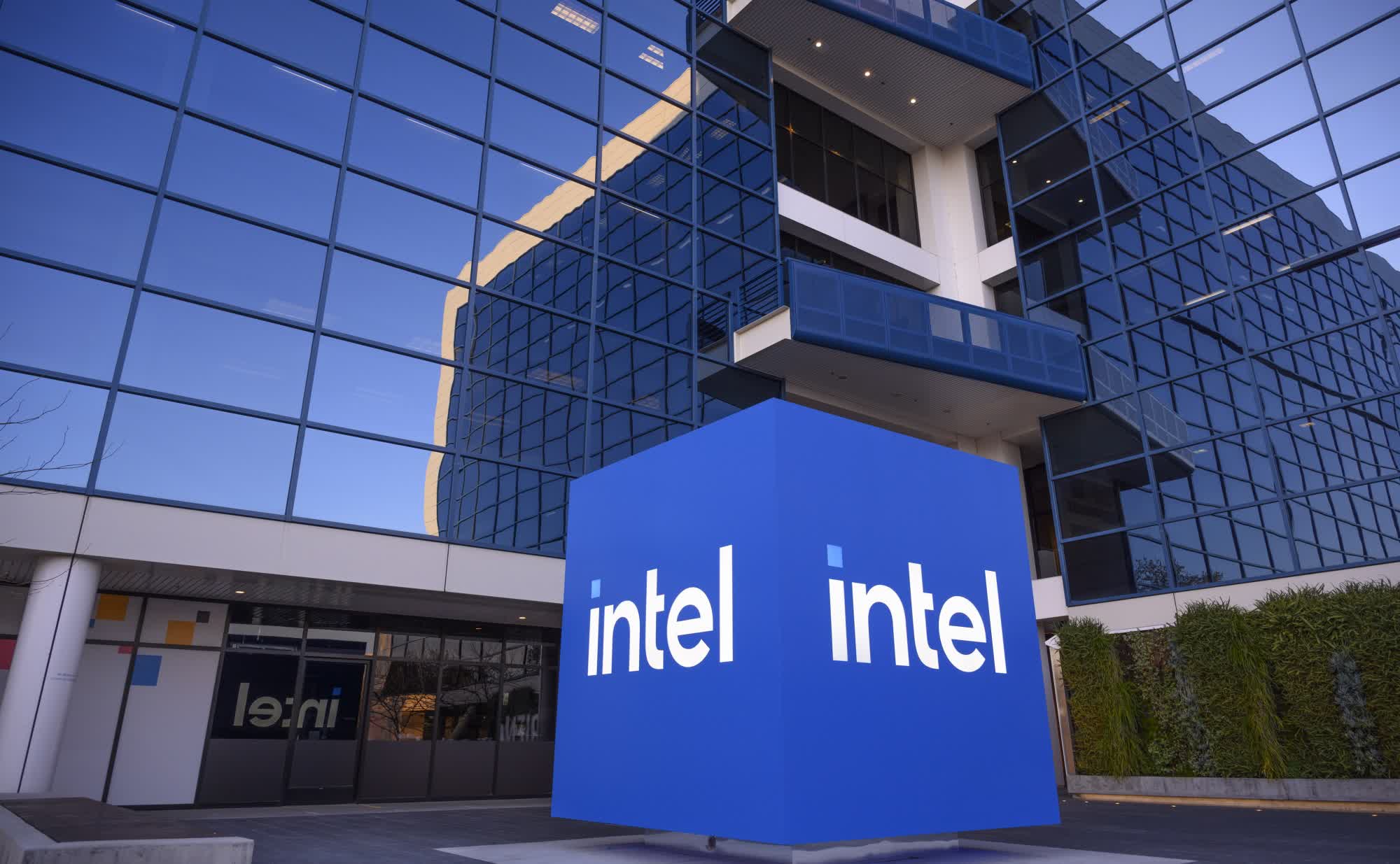
President Trump and Intel announced an agreement on Friday that will give the US government a 10 percent stake in the company. The passive ownership will not include boardroom representation, but similar deals between the state and other tech companies could be on the horizon.
Trump indicated that the government would pay nothing for the shares, which are primarily financed by funds the Biden administration promised to Intel last year as part of the CHIPS and Science Act. The investments, totaling $11.1 billion, will be converted into equity. Following the announcement, Intel's stock rose 6.6 percent on Friday.
The move is unusual, as the US government typically takes partial ownership in private companies only under extreme circumstances, such as war or economic crisis. For example, it directly supported several banks and automakers during the 2008 financial crisis by purchasing stakes.
Propping up Intel, however, is about securing domestic semiconductor production. Intel is the only American company attempting to manufacture semiconductors at the most advanced process nodes, but Trump acknowledged that it has recently fallen behind rivals Samsung and TSMC.
As TSMC's 3nm nodes reach maturity, Intel is struggling to break into the 2nm and sub-2nm frontier. The company recently canceled its 20A (2nm-class) node, and the future of its 18A and 14A processes is uncertain, as the former is currently plagued by low yields.

Intel may not be the last company to strike an equity deal with the US government, but it remains unclear which firms might follow.
While TSMC and Micron may seem like obvious candidates, officials said the government is not pursuing stakes in those companies because they have already committed to expanding US investments. Although TSMC has kept its most advanced fabrication plants in Taiwan, it is growing its US-based manufacturing capacity for established nodes.
Sources recently told Reuters that Trump is also considering directing another $2 billion in CHIPS Act funds toward domestic rare earth minerals, which are critical for semiconductor manufacturing. China controls much of the global rare earth market, and strengthening US production with CHIPS Act funds could help reduce dependence on Chinese imports without requiring new spending allocations from Congress.
US government takes 10% stake in Intel in unusual bid to revive chipmaking


