
In a nutshell: Researchers from Nanyang Technological University in Singapore have demonstrated the ability to manipulate water waves, allowing them to precisely control objects floating on the surface. If perfected, the technique could pave the way for using waves in new and exciting ways.
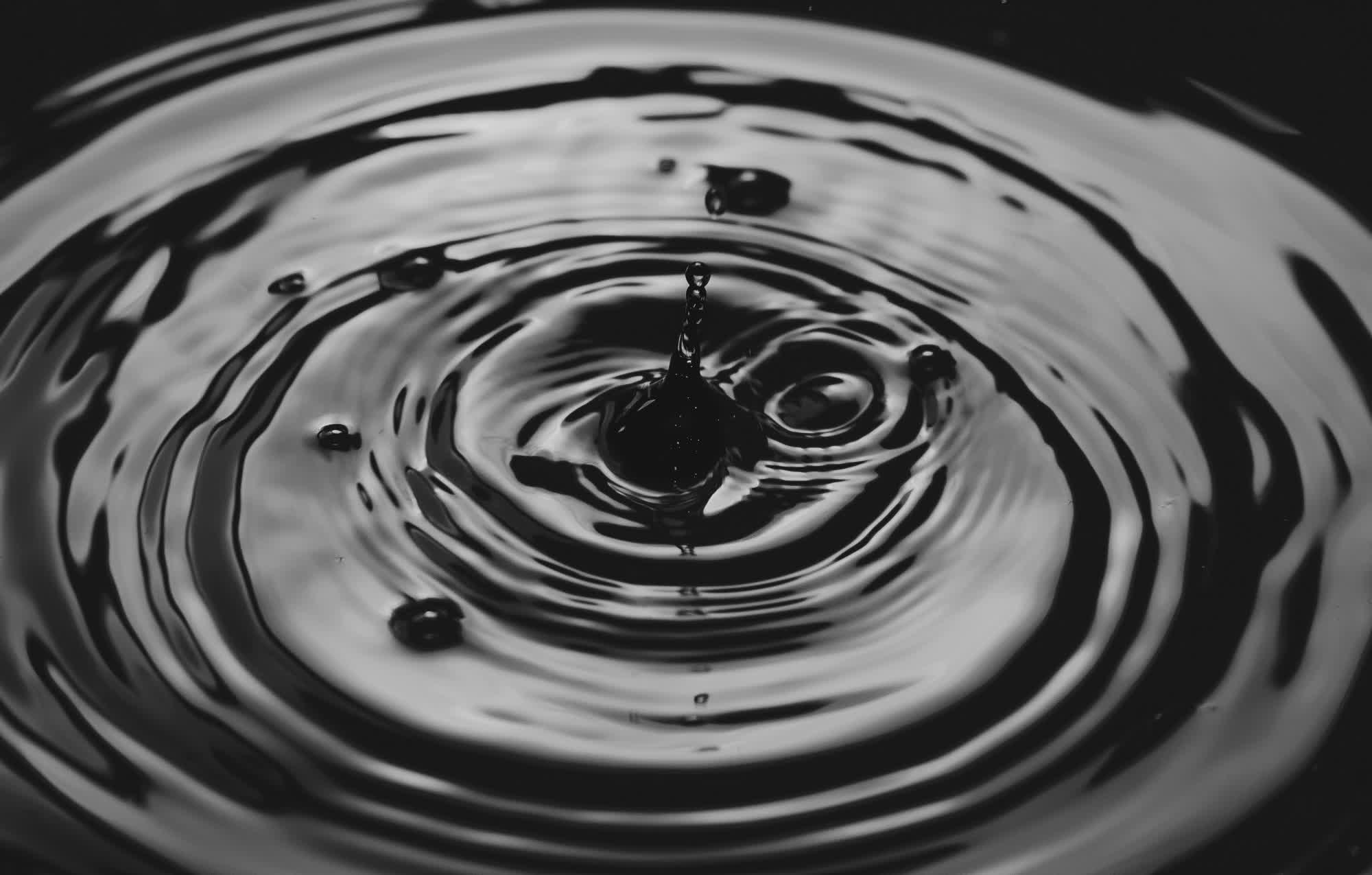
The idea was inspired by earlier work involving light that was conducted by Shen Yijie. A co-lead on the new project, Yijie realized that light and water can both move as waves and wondered if what they had accomplished with light could also apply to water.
Early research involved using computer simulations to see if the idea was even feasible. Confident it would succeed, they moved on to real-world lab experiments involving small vats of water and various objects like foam balls and ping pong balls.
By manipulating the frequency and magnitude of the waves and adjusting whether or not they moved in step with each other, the team was able to hold the balls in a stationary position or move them along a circular or spiral path at will.
Potential applications are aplenty. Scaled up, the technique could be used to guide large objects like boats as they navigate a tight harbor. Another innovative use case involves using waves to help contain harmful chemical spills, making them easier to clean up. Scaled down to the micrometer level, it is possible that the method could be used to reposition cells or other similarly sized particles without having to touch them.
A lot more research is needed before commercialization can become reality. Looking ahead to the immediate future, the team aims to determine whether or not similar wave patterns can be created and controlled underwater to move submerged objects. They also need to determine how natural waves might impact their artificially created zones. Further down the road, it may even be possible to use water patterns to store data.
The team's research has been published in the journal Nature under the heading, Topological water-wave structures manipulating particles.
Water bending technique can guide floating objects with remarkable precision


