Waymo admits that its autopilot is often just guys from the Philippines

Daniel Sims

Posts: 2,482   +76
Staff
The takeaway: As robotaxis and other AI-based technologies proliferate, so does the myth that these systems are fully autonomous. During a recent Senate hearing, industry leader Waymo provided the latest reminder that AI relies on human labor – often low-paid – more than people realize.
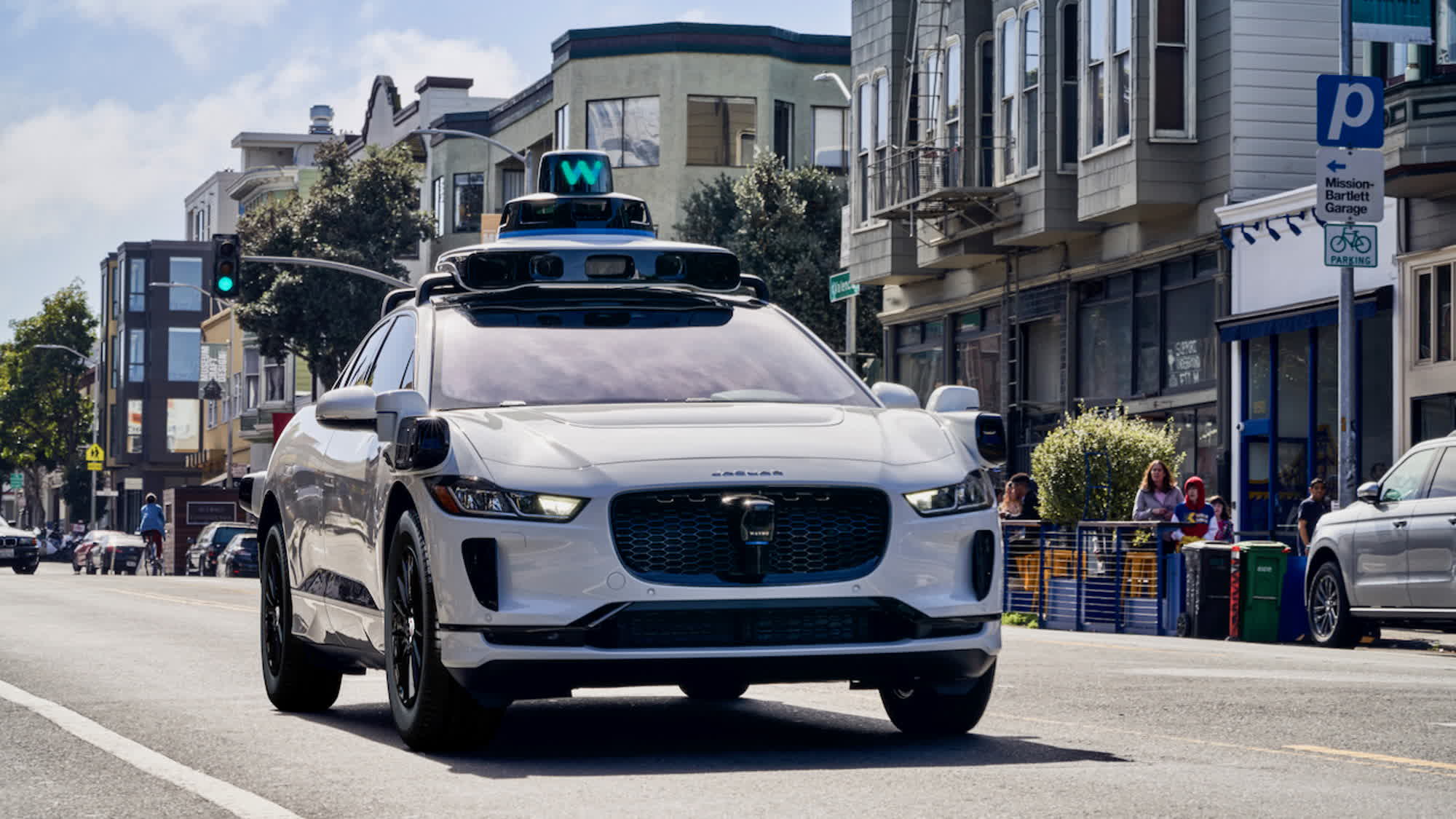
Waymo's chief safety officer, Mauricio Peña, recently noted that when the company's robotaxis encounter unusual situations, they may request real-time input from a remote response agent, receiving human guidance when needed. While some of the contractors work in the US, many operate from other countries, such as the Philippines.

The admission is another example of human workers, often contractors, supporting supposedly autonomous AI systems from behind the curtain. Tesla's robotaxis still rely on human monitors sitting inside each vehicle.

Contract labor has been at the heart of AI since OpenAI sparked the latest wave of investment in the technology several years ago. ChatGPT relied heavily on workers from across the world to train its underlying large language model, often for as little as $15 an hour with no benefits.

Filipino remote workers also oversaw most of the orders taken through Presto Automation's supposedly autonomous fast-food drive-thru system. Meanwhile, Amazon's ill-fated Just Walk Out technology, which claimed to handle physical purchases automatically without involving cash registers, actually relied upon workers in India to monitor customers.

Tesla's robots, the primary reason why the company is discontinuing its most popular vehicles, became arguably the most notorious example of this phenomenon in late 2024. At the company's "We, Robot" event, the robots admitted that they still relied upon human intervention, and a video of a unit falling over after mimicking the motion of its remote operator removing their headset went viral.

However, the senators grilling Peña at the hearing were less concerned about the use of remote workers than the fact that many were not American.
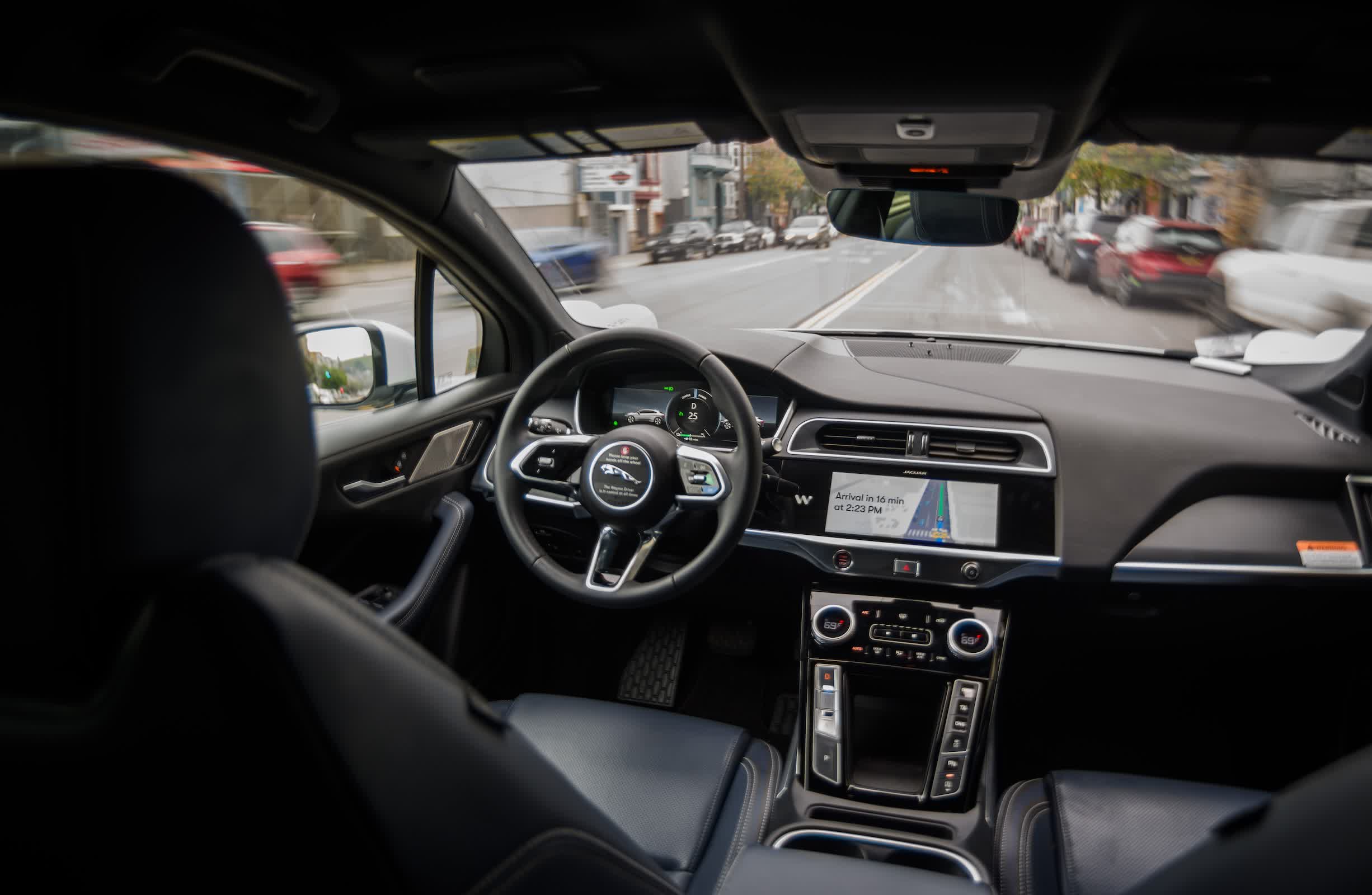
Massachusetts Senator Ed Markey called the employment of foreign remote workers "completely unacceptable." While input lag from workers operating halfway across the world presents a safety issue, lawmakers were also concerned about Waymo's connections to China and other foreign countries.

Although Tesla uses its own cars, Waymo employs vehicles from various countries, including China. The decision drew suspicions that the Alphabet-owned company is attempting to circumvent import restrictions on Chinese vehicles. When asked about the use of internet-connected Chinese cars on American roads, Peña emphasized that the autonomous driving systems are installed in the US.

Correction (Feb 10, 2026): The original version of this article described Waymo vehicles as "switching control" to remote drivers in unusual situations. Waymo says its remote fleet response agents do not directly operate vehicle controls, but instead provide real-time contextual information that the autonomous system uses while remaining in control of the vehicle. The article has been updated to clarify this distinction.

Permalink to story:

 
Ugh.

Saw this the other day, it's click bait. Waymo has people who help point the cars in the right direction when they get stuck, that's it. US congressman making a big deal over nothing because he's too old and stupid to understand technology.
 
On one hand, why not just disclose that the "autopilot" has a human backup for when it encounters weird situations?

On the other, it is nice to hear that they do have a human backup to presumably be more safe.

The tech is still in its infancy, it still shouldn't be given 100% trust/control, especially in such potentially chaotic environments.
 
Ugh.

Saw this the other day, it's click bait. Waymo has people who help point the cars in the right direction when they get stuck, that's it. US congressman making a big deal over nothing because he's too old and stupid to understand technology.
So.....it's often just guys from the Philippines then?
 
On one hand, why not just disclose that the "autopilot" has a human backup for when it encounters weird situations?

On the other, it is nice to hear that they do have a human backup to presumably be more safe.

The tech is still in it's infancy, it still shouldn't be given 100% trust/control, especially in such potentially chaotic environments.

Fully agree that switching control to the remote drivers in case robotaxis encounter unusual situations demonstrates responsibility and in my opinion is acceptable for such challenging tasks. I'm just a bit concerned if these people are confident enough to solve arising problems remotely without detailed knowledge about particular city etc.
 
Ugh.

Saw this the other day, it's click bait. Waymo has people who help point the cars in the right direction when they get stuck, that's it. US congressman making a big deal over nothing because he's too old and stupid to understand technology.
As we saw from the power outage in SF, Waymo cars appear to routinely depend on human backup even in situations they are designed to handle: https://waymo.com/blog/2025/12/autonomously-navigating-the-real-world

That said, it’s definitely better to err on the side of caution. No company wants to end up like Cruise or Uber and be shut down by the state government for an incident.
 
I'm curious how thoroughly they evaluated the connectivity impacts of the emergency failsafe drivers being so far away.

On the one hand I know I've gamed plenty with teammates from other continents, and moved data around at pretty good speeds too. So I know it works fine at least when operating conditions are normal.

On the other hand it just seems like it's got more concentrated points of failure and the impact from a single awfully timed lag spike could be a lot more serious.
 
If guys from the Philippines or other countries are driving cars in the U.S., albeit remotely, shouldn't they have valid driver's licenses for the state in which they are driving or at least an international driver's license. Even if they have one, how would anyone in the U.S. know for sure?
 
The don't drive the cars remotely. Latency makes that impossible. Latency in video games is annoying, latency in real life driving would get people killed.

They only send commands to the car that helps it when it doesn't know what to do.
 
The don't drive the cars remotely. Latency makes that impossible. Latency in video games is annoying, latency in real life driving would get people killed.

They only send commands to the car that helps it when it doesn't know what to do.

Thanks for that clarification. TechSpot's reporting did not help make that clear when it included two pictures of the car in driving lanes and another of a driving sim cockpit. Similarly I'm not sure if the reported congressional testimony about "they may switch control to the remote drivers" is a literal quote -- in which case I'd fault their executive for being dangerously vague about an important distinction -- or if it's again just TechSpot being sloppy.
 
On one hand, why not just disclose that the "autopilot" has a human backup for when it encounters weird situations?
So they need to come out and admit to something obvious that anyone with a functioning brain should know? Of COURSE there's a human backup, and there always will be. There will never be a time when every car drives itself and there are no humans involved at all in monitoring or helping in certain situations. With anything "autonomous" there will always be issues that have to be handled by humans, that's just common sense.
 
On one hand, why not just disclose that the "autopilot" has a human backup for when it encounters weird situations?

On the other, it is nice to hear that they do have a human backup to presumably be more safe.

The tech is still in it's infancy, it still shouldn't be given 100% trust/control, especially in such potentially chaotic environments.
What is there to understand other than this company have foreigners remotely taking control of cars with USA citizens in them.
 
This reminded me that episode of Amazon's show with Klarkson where a person drives automated car at the bottom of it.
 
Saw this the other day, it's click bait. Waymo has people who help point the cars in the right direction when they get stuck, that's it.
That fact they are not in USA is non-issue, but AI still needing a minder is a big deal. People are joking about how far behind Tesla is by still needing an in-car minder but this suggests the gap isn't so big after all. Even Waymo is still rubbish.
 
The article looks like a misinterpretation of something.
No human can monitor even a single car in a city traffic in a way that makes it possible to take over in a critical situation. A human per car is extremely unlikely, no matter how low-paid these guys are, and a human overseeing multiple cars is outright absurd.

So this is obviously not about the driving itself, there's no realtime element to it. Remote guys do something else.
 
:DDD So once again,

AI = Actually Indians

(In case you missed it, this is the same as Tesla's "unsupervised" robotaxi scam. There's a ghost car behind it with a human supervisor, and they're also supervised remotely.)

But but FSD really really comes this year, pinky swear! (for the 10th time)
 
Lets hope that notoriously reliable internet backbone between a car on the roads of the US and the Philippines doesn't drop or get too laggy.
 
Every time a company says fully autonomous, what they mean is autonomous until something weird happens... but come to think about it, it's better than any of the other alternatives in terms of safety/risk.
 
Back