What just happened? Waymo has taken its driverless cars off all limited-access highways in the United States after California regulators ruled that the company's freeway operations posed a danger to the public. The California Department of Motor Vehicles ordered the suspension after three Waymo vehicles entered a closed construction zone on Highway 101 and another attempted to pass California Highway Patrol vehicles that were deliberately slowing traffic on Interstate 280. The pullback temporarily ends Waymo's highway operations, nearly a year after the company began offering freeway rides to passengers in the San Francisco Bay Area.
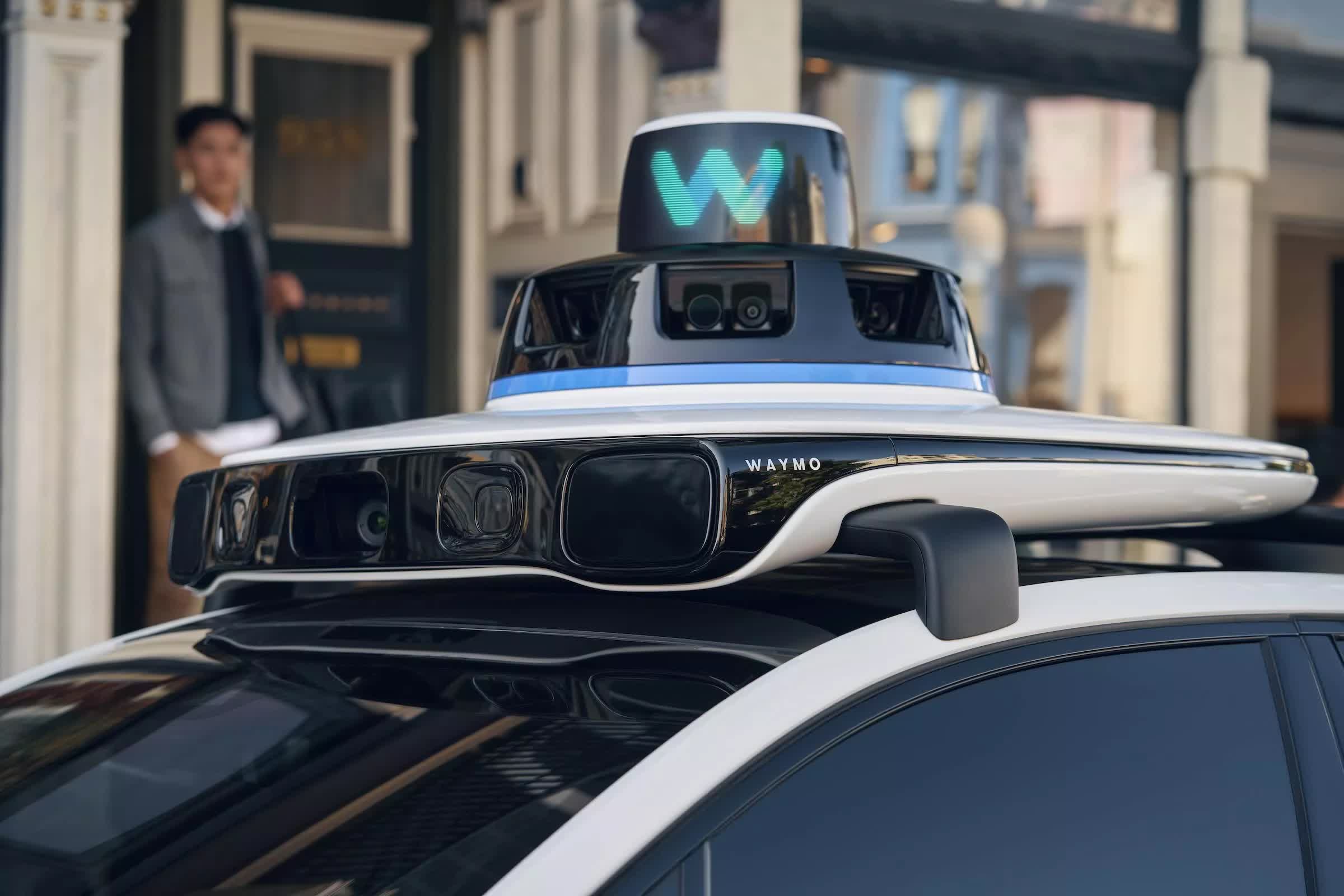
The DMV directive requires Waymo to stop both operating and testing its driverless vehicles on all California freeways, citing "an imminent hazard to public safety." The order will remain in effect until the company takes "effective corrective actions," the agency said. It did not provide a timeline.
Waymo went beyond what the order required. Company spokesman Chris Pappas said the company pulled its vehicles off freeways nationwide that same day. He said the Highway 101 incident "did not involve any injuries or collisions" and that Waymo would review its vehicles' performance while they remain off the highways.
The two incidents highlight areas where the system struggles. On Highway 101, three separate vehicles entered a lane that had been closed for construction. On Interstate 280, a video posted on social media showed a Waymo car attempting to pass two California Highway Patrol vehicles that were deliberately slowing traffic. In both cases, the software had to recognize a temporary change in road conditions, whether construction cones and lane closures or police directing traffic, and respond appropriately while traveling at freeway speeds.
Construction zones have caused problems for Waymo before. In June, the company recalled 4,000 robotaxis for a software update after vehicles in Phoenix and San Francisco drove into work zones. Earlier in the year, it also had to update software in thousands of its vehicles after some drove into flooded roads. In each case, the solution involved a software update to the fleet. California's order now requires Waymo to submit its next fix for regulatory review before its vehicles can return to freeways.
Matthew Wansley, a law professor at Yeshiva University's Cardozo School of Law who studies the regulation of self-driving technology, said that, in principle, freeways are "actually a simpler driving environment than local roads." There are no pedestrians, cyclists or cross traffic to track. Robotaxis have also encountered construction zones and police activity on city streets, he told The New York Times, but the consequences of such incidents are generally less severe.
"When you are doing it at highway speeds, the margin for error is a lot lower," Wansley said. "It's very hard to kill someone at 25 miles per hour. It's very easy to kill someone at 65 miles per hour."
Philip Koopman, a professor emeritus at Carnegie Mellon University who studies autonomous vehicle safety, said the state's response was more forceful than regulators have typically been in dealing with the industry.
"Pulling them back from freeways is more of a firm hand than we've seen before, which is a good thing because these are concerning incidents," Koopman said. Wansley and Koopman both said the restriction should help prevent further accidents and give Waymo time to improve its technology.
The ban also threatens Waymo's growth plans, with airport trips likely to take the biggest hit. Freeways provide the most direct routes to major airports, and Koopman said losing access to them cuts into one of the company's most valuable markets.
"Highways are an issue because they really need to get to airports, and if you can't go on highways, that's a real problem for the airport business," he said. "That's a huge fraction of the value they can unlock."
Riders can still reach the airport using surface streets, although the trip may be less convenient. "You can get to San Francisco airport on surface streets, but it's not a lot of fun," Koopman said.
Waymo has not said when it expects to return its vehicles to freeways, nor has it explained what changes it plans to propose to convince the DMV that its vehicles can safely handle closed lanes and police-directed traffic slowdowns at speeds of 65 miles per hour.
Waymo pulls driverless cars from highways nationwide after California ban


