
In brief: A new Silicon Valley startup is trying to change how companies use GPUs for artificial intelligence and graphics. Oxmiq Labs, founded by well-known GPU engineer Raja Koduri, wants to make it easier and cheaper for other companies to access powerful computing for tasks like text, video, and 3D applications – both in big data centers and small edge devices. Instead of building the hardware themselves, Oxmiq is offering a model where they create the core technology and software, then license it to others who want to build their own products.
Raja Koduri is known for his previous work at AMD, Intel, and Apple, among other firms. With Oxmiq Labs, he and his experienced team hope to lower the barrier for getting advanced chip technology into more hands around the world.
Usually, developing graphics chips means spending a lot of money on manufacturing and design, which keeps most companies out of the business. Oxmiq's approach is to focus on intellectual property and software that others can license, cutting out the need for expensive factories and complicated production.
The company and its backers, including big names like MediaTek, believe this model could cut chip development costs by up to 90 percent.
The main technology Oxmiq offers is called OxCore. OxCore uses the open-source RISC-V instruction set and can be set up in different ways, depending on what a customer needs. It can be used for everything from small edge devices to large AI training systems.
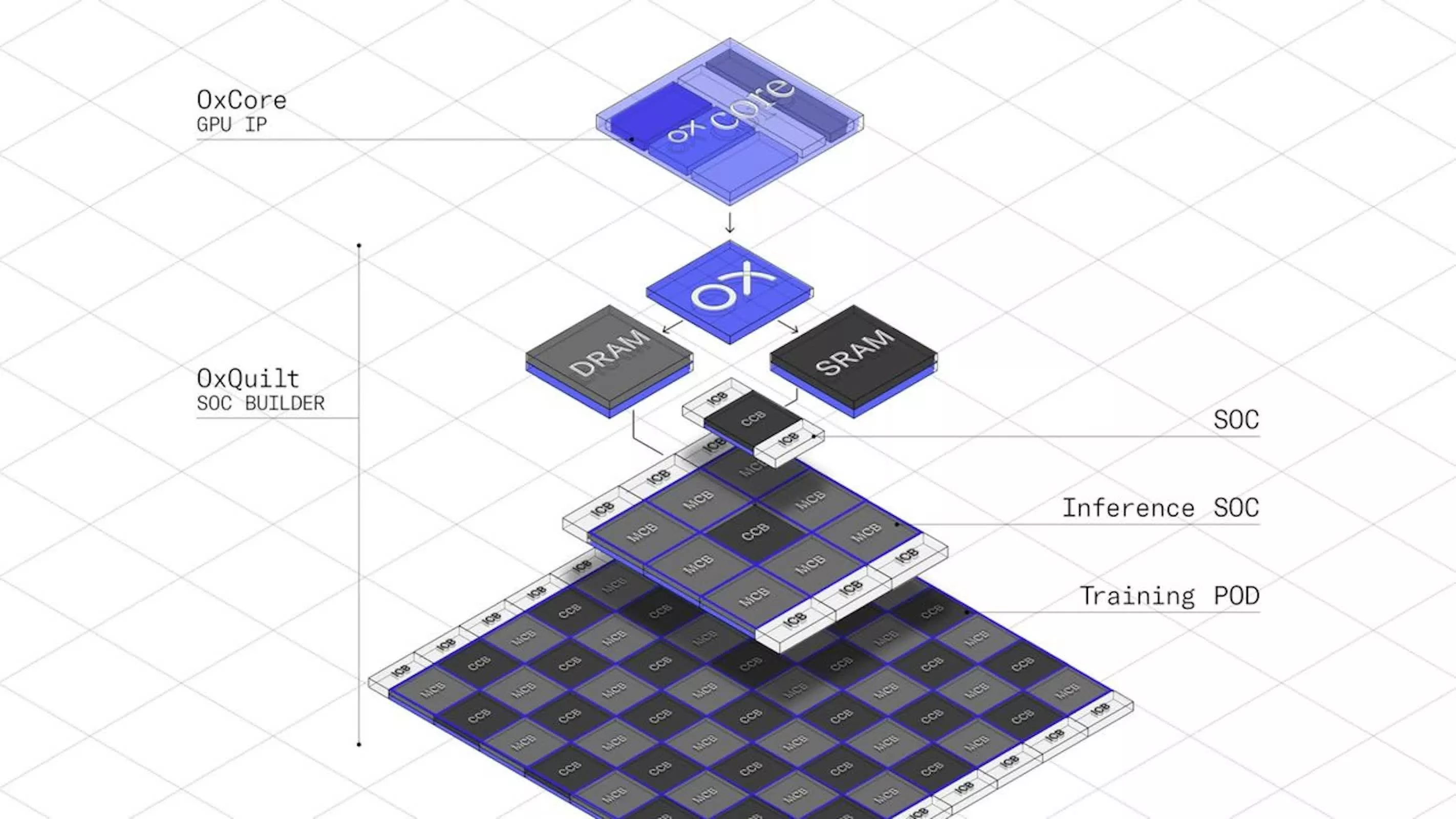
OxQuilt, another part of Oxmiq's offering, lets companies put together their own system-on-chip designs by combining different compute, memory, and connection modules. This flexible setup means companies can quickly build and scale their solutions without starting from scratch every time.
Another focus for Oxmiq is its software. The OXCapsule platform hides the technical details of different hardware types, making it easier to run AI and graphics programs on a wide range of systems.
One key part of this is OXPython, special software that lets developers run Python-based CUDA applications – usually made for Nvidia GPUs – on other chips with no changes to their code. This will first be used on AI accelerators made by Tenstorrent, a company Oxmiq is partnering with, aiming to give developers more options and reduce reliance on just one hardware vendor.
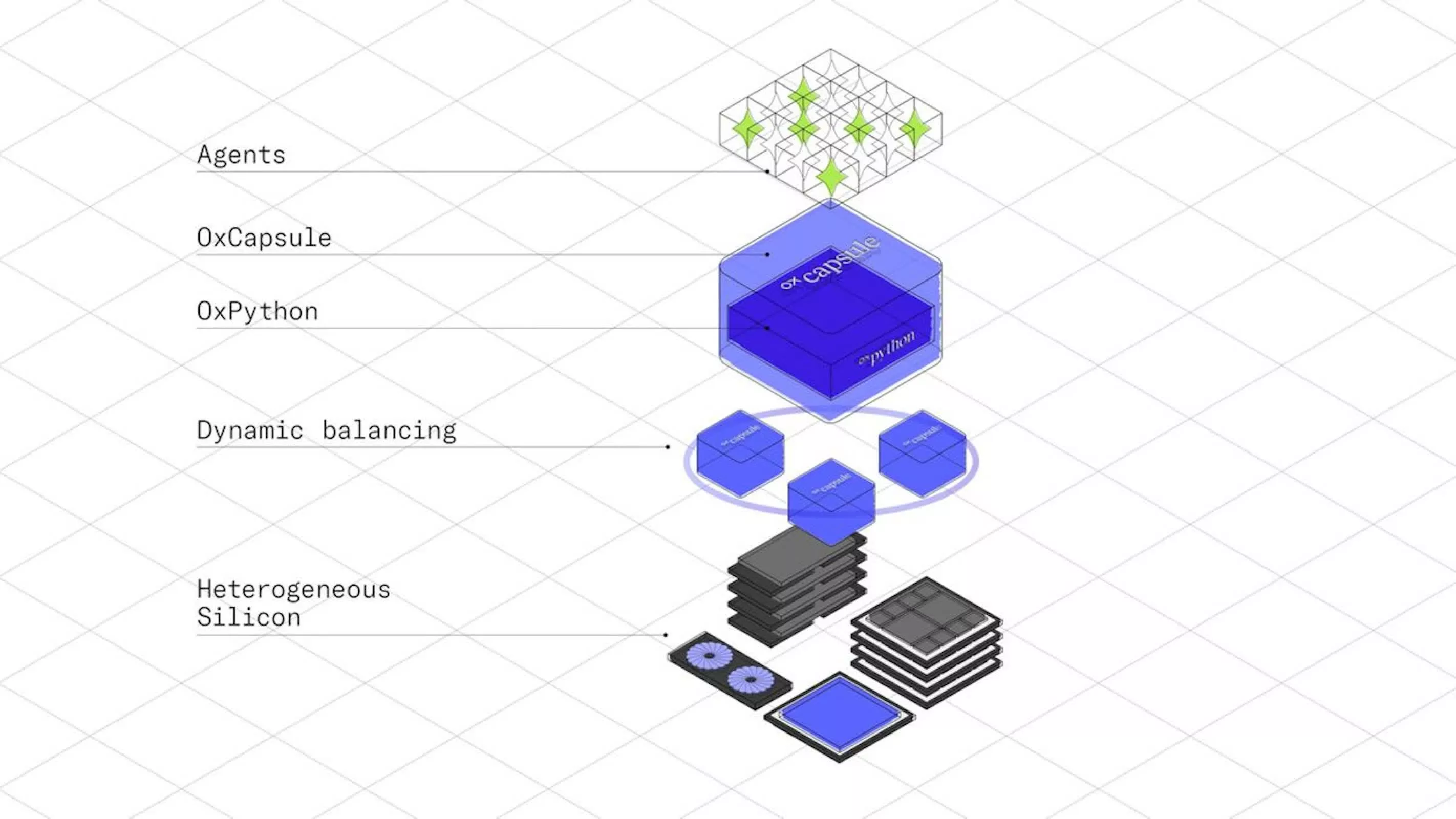
Oxmiq's technology includes in-silicon "nano-agents" and in-memory computing, which they say will help make processing faster and more efficient. The company says its architecture can work for anything from simple robots to massive data centers, offering flexibility for a wide range of customers.
Koduri and his team are also focusing on India. They want to help chipmakers and AI companies in the country by making it easier and more affordable to access advanced GPU technology. Partnerships with local firms, such as Mihira Visual Labs, are part of this effort to support India's push into new technology fields.
Oxmiq has collected $20 million in seed funding from MediaTek and other investors. The company hasn't said exactly how much it's worth, but the funding and support show that big names are interested. Still, licensing chip technology is a tough business, and Oxmiq will have to prove it can attract both customers and developers to its new way of working.
Unlike usual GPU companies, such as Nvidia or AMD, Oxmiq does not build full consumer GPUs. Instead, it focuses on providing the core technology, leaving things like display outputs and finished graphics pipelines for its customers to build.
Even with the risks, Oxmiq's timing could be favorable. As the need for AI and complex graphics grows, its plan to make advanced computing simpler and more accessible might help more companies enter the field. For now, the industry is watching to see whether Oxmiq's unusual approach can create competition in a business usually ruled by the same old players.