
Highly anticipated: Apple is set to unveil its highly anticipated iPhone 17 lineup on Tuesday, September 9, marking what could be a pivotal moment for the company's core business as it faces mounting pressure from big tech competitors and an industry increasingly shaped by advances in AI.
This year's iPhone event, billed as "awe dropping," will introduce four new phones: the iPhone 17, iPhone 17 Pro, iPhone 17 Pro Max, and a completely new addition to the family, the iPhone 17 Air. The Air represents a bold design shift – at just 5.5 millimeters thick, it is about a third slimmer than the current iPhone 16 Pro.
This ultrathin profile pushes the model into a unique position within the lineup, but not without trade-offs. The Air sacrifices battery capacity for form, includes only a single rear camera in a distinctive pill-shaped module, and drops support for physical SIM cards, relying exclusively on eSIM tech.
Update (Sept 8): More leaks have been added below, ahead of tomorrow's official launch:
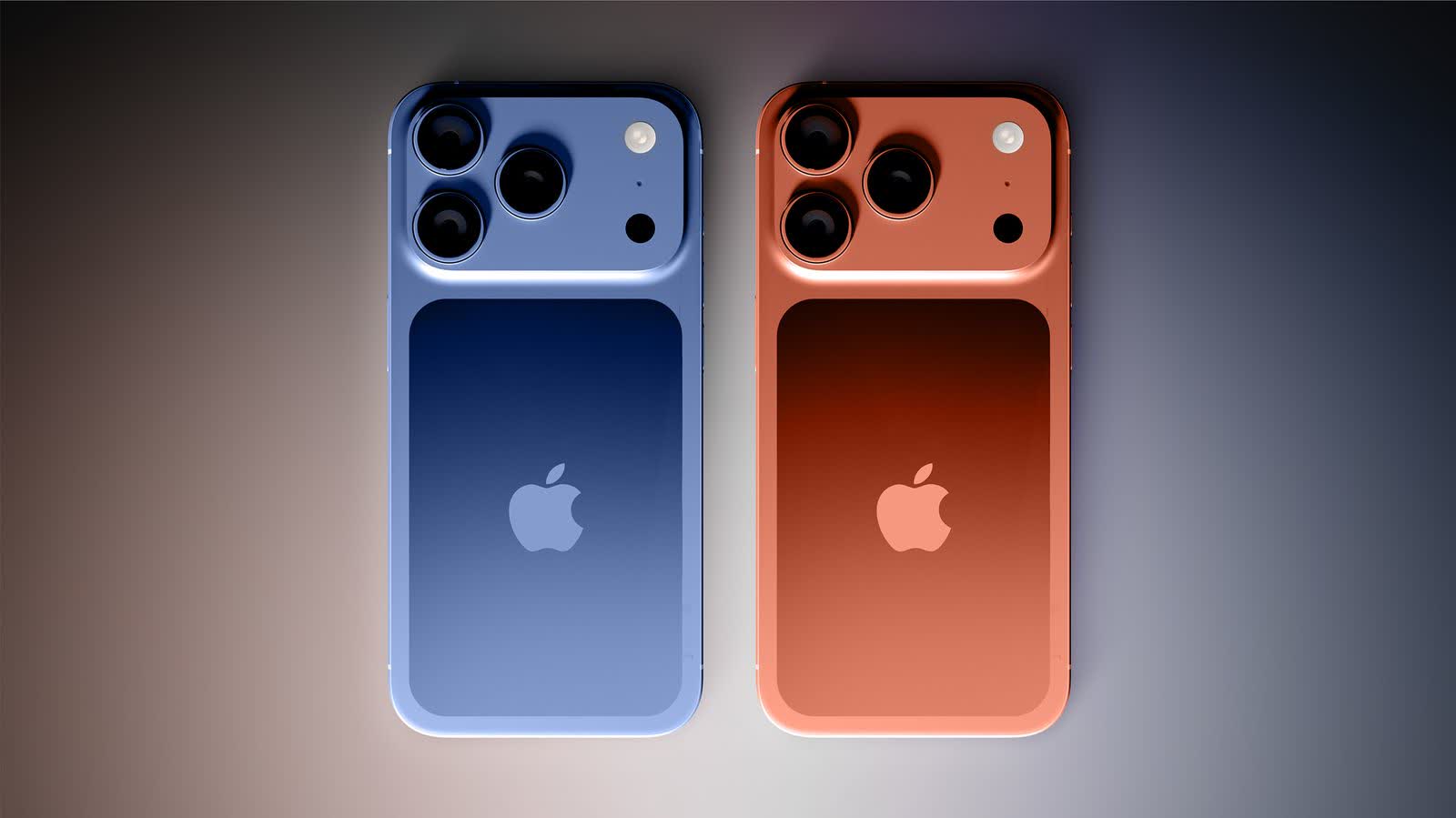
Image credit: MacRumors
The iPhone 17 lineup rumor overview 🔥 pic.twitter.com/QWtM27O38N
– Apple Hub (@theapplehub) August 12, 2025
The iPhone 17 Air will also debut at a steep price point, starting at $1,099 for the 256GB model and climbing to $1,499 for the 1TB version, according to market analyst TrendForce, making it Apple's most expensive standard iPhone to date.
Positioned between the standard iPhone and the Pro series, the iPhone 17 Air mirrors Apple's strategy with its MacBook and iPad lines. However, analysts say it may create a "niche within a niche."
iPhone 17 Air and iPhone 17 Pro Max in comparison pic.twitter.com/KrGlUXDuUY
– Majin Bu (@MajinBuOfficial) April 5, 2025
While demand across the broader smartphone market remains strong for better battery life and camera technology, Apple is betting that a segment of its customer base will pay a premium for the slim form factor.
The iPhone 17 Air will feature Apple's standard A19 chip, a 6.6-inch ProMotion display with a 120Hz refresh rate, and a new in-house Wi-Fi chip paired with the C1 modem – a component that some technical observers consider less capable than Qualcomm's latest offering, though consumer feedback remains limited.
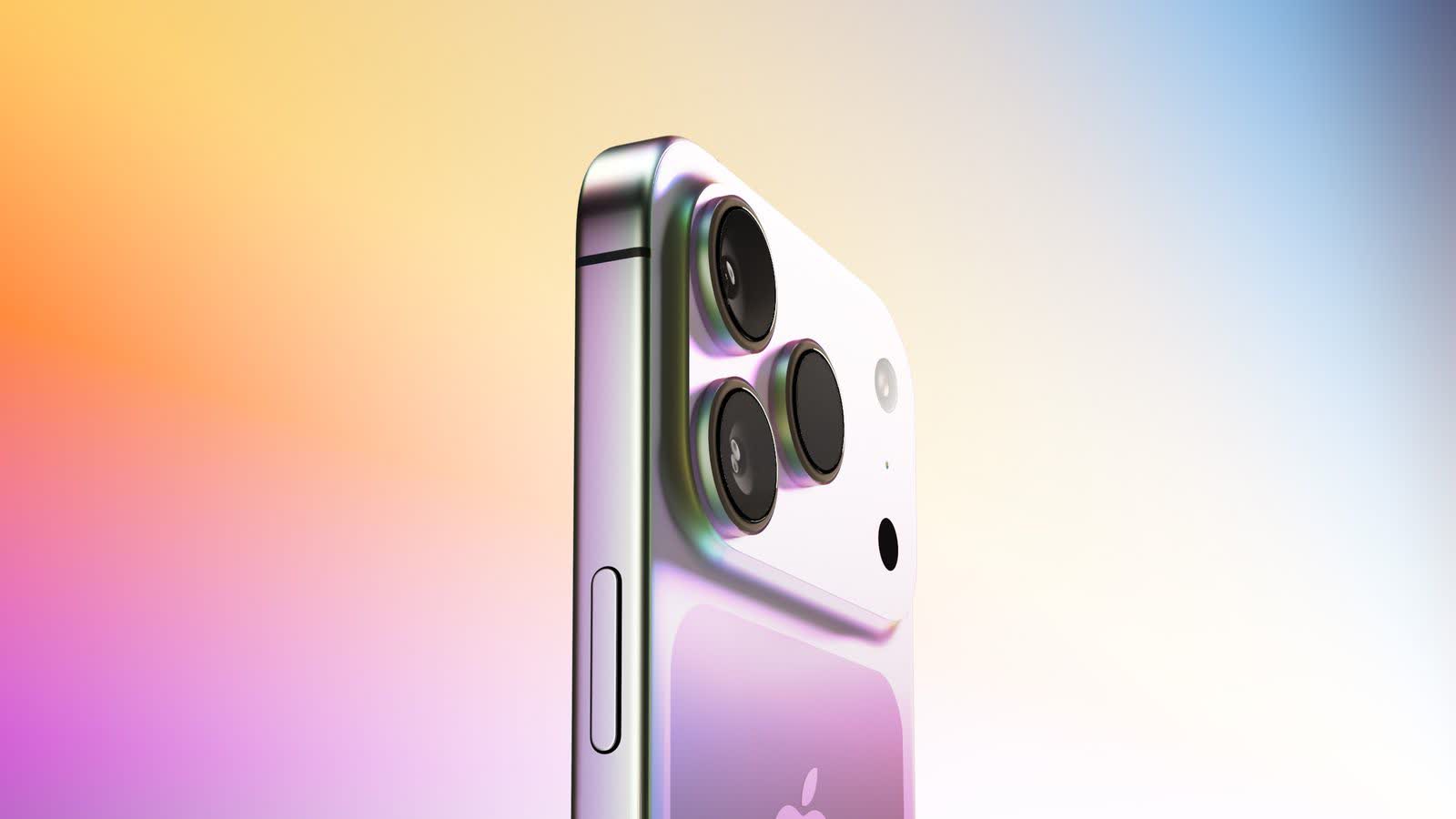
Meanwhile, the iPhone 17 Pro and Pro Max will undergo their first major external redesign in five years. The most notable change is a camera bump that now spans the top third of the phone's back, replacing the square module design used in previous Pro models.
Both Pro versions will include an advanced camera suite featuring a 48-megapixel telephoto sensor, a new variable aperture system, and upgraded video capabilities such as simultaneous front- and rear-camera recording.
Internally, these models will transition to the new A19 Pro chip, increase RAM to 12GB, and, for the first time since 2020, switch from titanium back to an aluminum chassis – a move aimed at reducing weight and addressing overheating issues reported with prior models.
For the first time, all iPhone 17 models will ship with ProMotion displays. The standard iPhone 17 will sport a 6.3-inch screen and maintain a starting price of $799 for the 128GB base model. Apple is also overhauling its accessories lineup, introducing redesigned non-leather cases and a luxury cross-body strap geared toward fashion-conscious buyers.
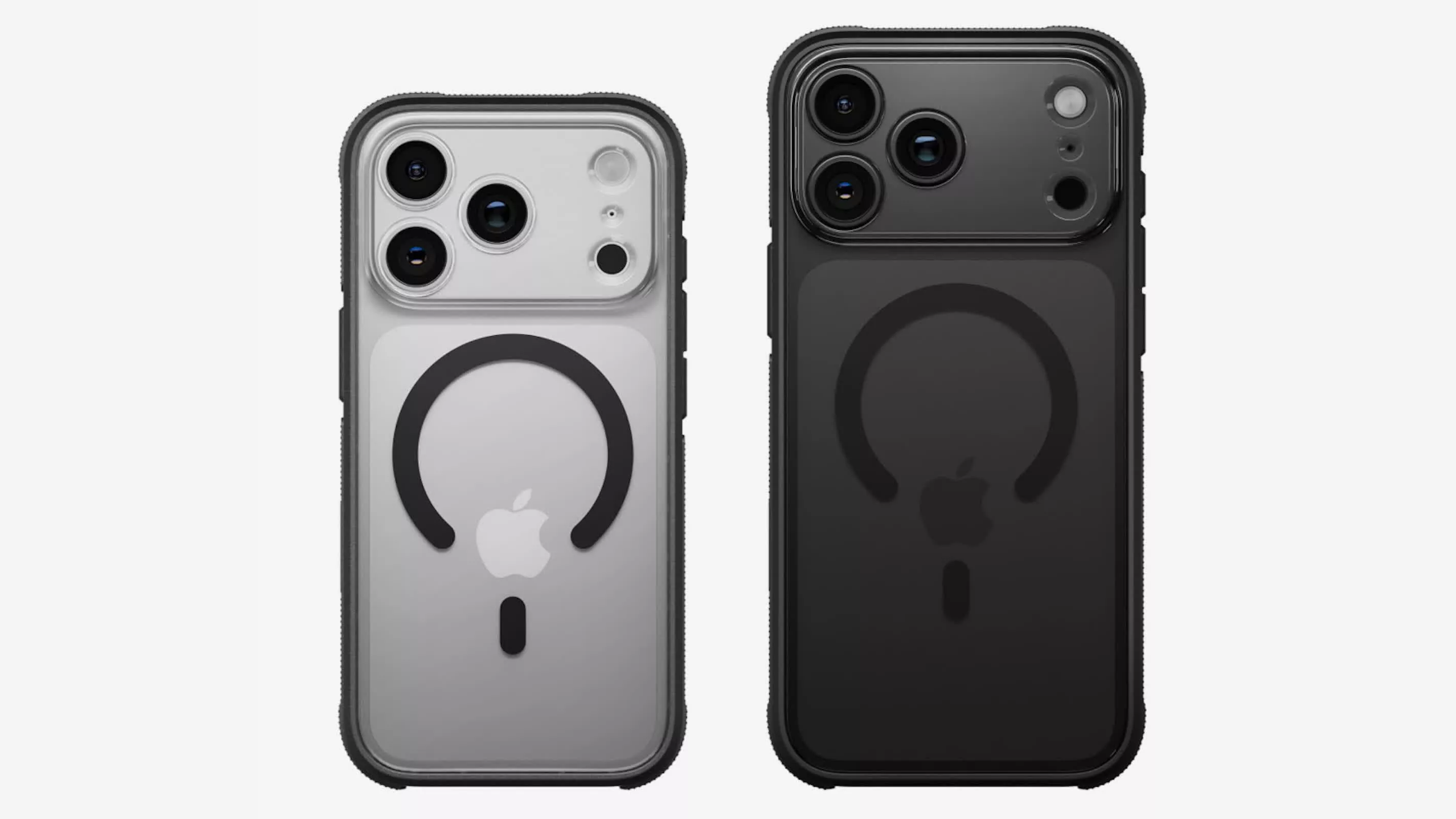
Details about the new devices have been surfacing for the last few weeks, in particular from accessories makers, who have been circulating photos and case renders for the iPhone 17 lineup ahead of Apple's official event. One such maker, Dbrand sent an email blast to customers, sharing images purportedly showing transparent MagSafe cases for the iPhone 17 Pro and Pro Max, revealing a new horizontal, rounded-rectangle camera bump with sensors and flash distributed across the module.

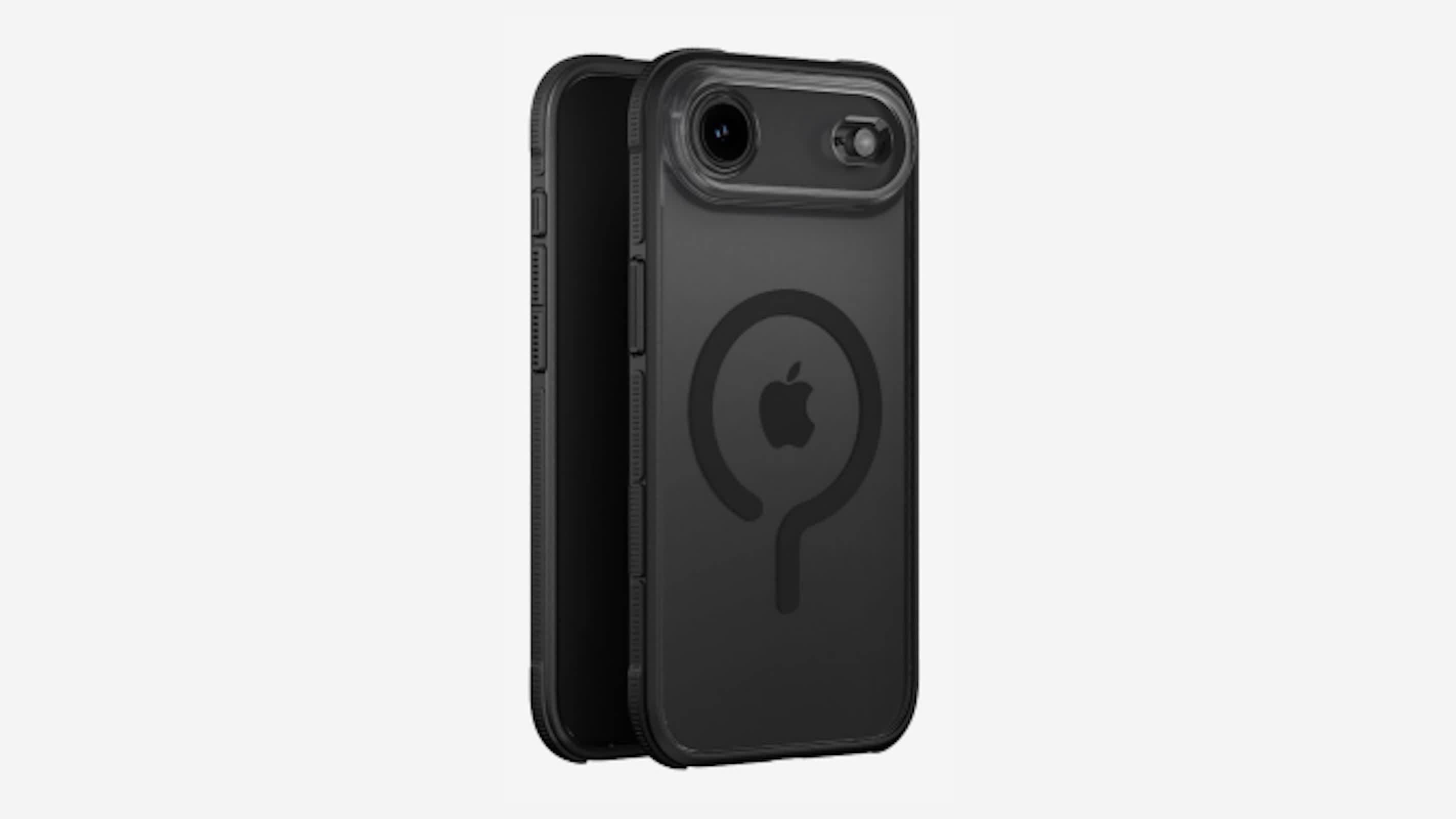
The leak also included images of what is believed to be the iPhone 17 Air, highlighting its exceptionally slim design and single rear camera – a first for a mainline iPhone in recent years. By Thursday afternoon, Dbrand's skins and cases for all four upcoming models were already available on its website, sparking widespread speculation ahead of the official reveal.
Industry analyst reports have helped fill in some gaps regarding specifications and pricing.
TrendForce confirms the three-tier pricing for the iPhone 17 Air, the RAM increase to 12GB for Pro models, and forecasts a modest 3.5% year-over-year increase in total shipment volumes for the iPhone 17 series, with higher-end models driving most of the growth.
While iOS 26 will not bring significant advances in Apple's generative AI implementations – a growing concern among investors and analysts – Apple is leaning on design improvements, build quality, and incremental hardware upgrades to retain its loyal customer base.
Following the September 9 announcement, in-store availability for the iPhone 17 series is expected to begin on Friday, September 19. Looking further ahead, Apple's roadmap reportedly includes a foldable iPhone slated for release next year, followed by a striking, all-glass 20th-anniversary edition planned for 2027.