
What we know so far: Whether LockBit 5.0 achieves broad deployment remains to be seen, but its design signals that ransomware ecosystems are evolving beyond traditional Windows-only targets. Security researchers see the strain as evidence that ransomware groups are aligning their tactics with enterprise realities, where heterogeneous operating systems and virtualization form the backbone of IT. For defenders, the implication is clear: ransomware is no longer a single-platform threat, it is designed to strike across the entire stack.
Trend Micro researchers are warning that the criminal group behind LockBit has released a new version of its ransomware platform, significantly escalating the threat to enterprise systems by targeting multiple operating environments simultaneously. According to a detailed analysis of samples collected from recent attacks, the new strain – LockBit 5.0 – has been engineered to strike Windows, Linux, and VMware ESXi deployments at once, a leap in scope that makes containment and recovery far more difficult.
The technical assessment indicates that each variant of LockBit 5.0 is tailored to exploit specific weaknesses in its target environment. The Windows version now incorporates DLL reflection for payload delivery, along with layers of packing to obstruct analysis, enabling it to bypass traditional monitoring tools more effectively.

The Linux variant allows attackers to issue customized command-line options, selecting specific file types and directories for encryption, giving affiliates granular control over their strikes. In ESXi environments, the ransomware targets virtualization infrastructure itself, encrypting virtual machines and compromising hypervisor-level hosts. In each case, files are appended with randomized 16-character extensions – a tactic that complicates decryption and prolongs recovery timelines.
Trend Micro's investigators describe LockBit 5.0 as a fully modular architecture, where its components – encryption routines, evasion technologies, and platform-specific payloads – work in tandem to overwhelm defenders. The firm warned that this evolution "confirms LockBit's continued cross-platform strategy," designed to paralyze computing environments from ordinary workstations to the virtualization platforms that underpin entire data centers.
The malware's resurgence follows a high-profile disruption earlier this year. In February, law enforcement agencies in the US and the UK coordinated Operation Cronos, seizing LockBit's servers, infrastructure, and even distributing decryption keys to victims in an effort to dismantle the group.
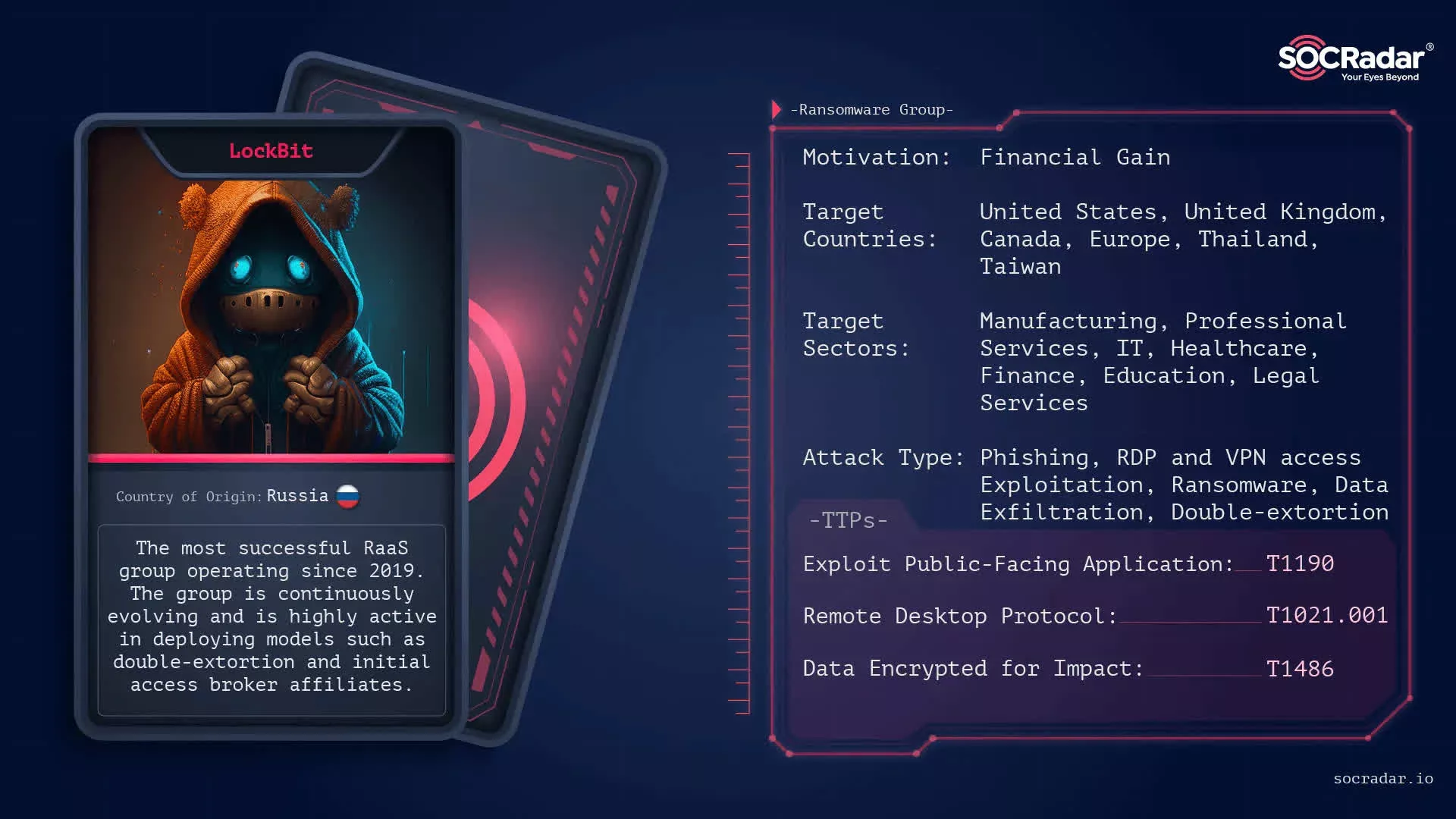
The takedown temporarily forced the group offline, but in recent months, LockBit developers have resurfaced, reportedly reopening their affiliate platform and enticing partners with financial incentives under the rebranded 5.0 framework.
The affiliate model remains central to LockBit's operations. The core operators supply the ransomware, while affiliates launch attacks, enabling widespread deployment without direct involvement from leadership.
LockBit 5.0's enhanced capabilities present a more complex challenge for defenders. Of particular concern is its ability to terminate security processes and interfere with backups, undermining commonly relied-upon recovery safeguards. The expansion to ESXi infrastructure is especially notable, as many enterprises rely on virtualization for backup and redundancy. By targeting hypervisors and encrypting virtual machines directly, attackers increase leverage and reduce fallback options.
Trend Micro cautions that even after the coordinated international enforcement campaign, LockBit's developers have demonstrated resilience by introducing a version with expanded scope and hardened defenses. The firm urged organizations to adopt cross-platform security strategies and place heightened focus on virtualization infrastructure due to its attractiveness as a target.