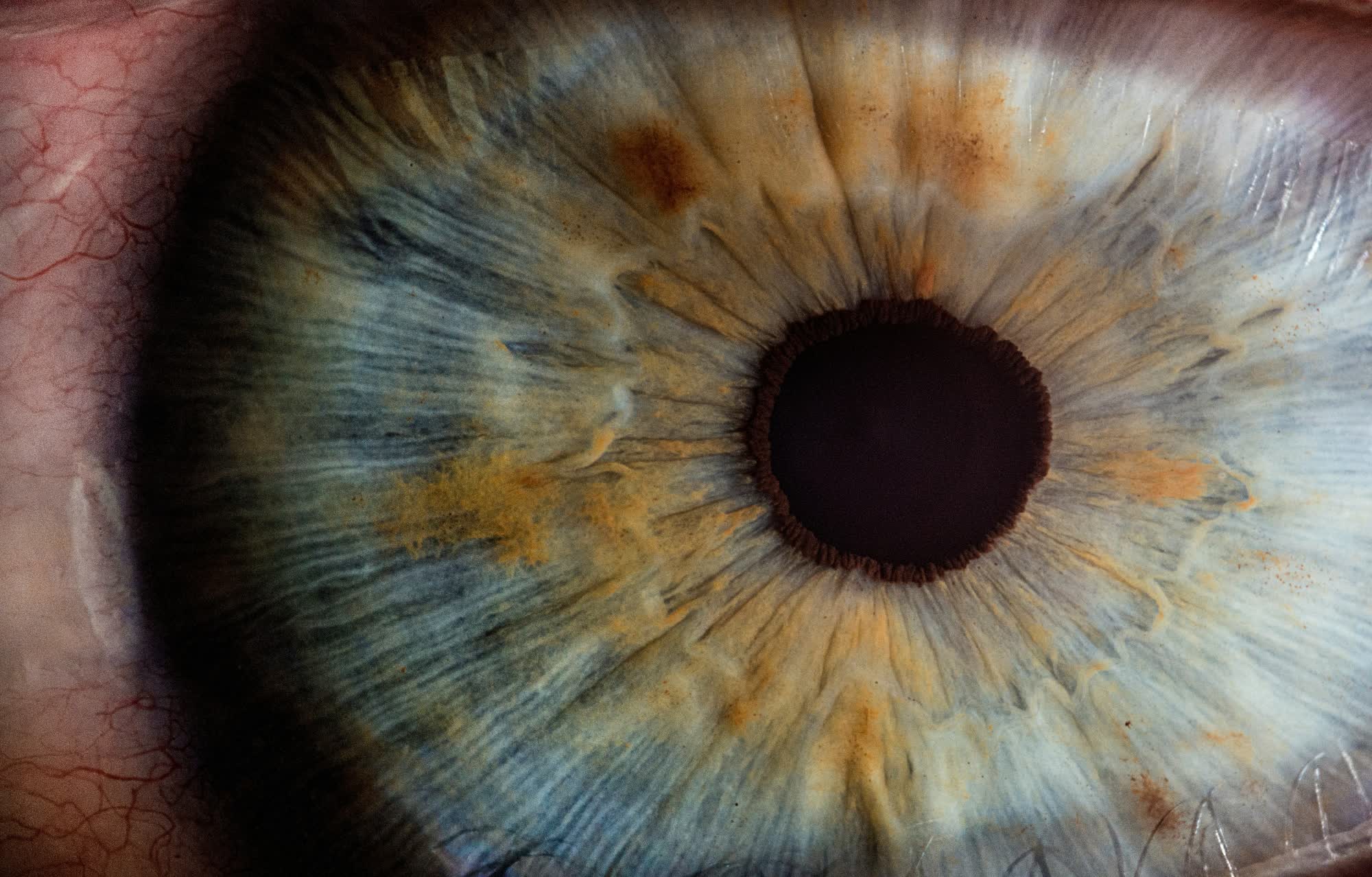
Forward-looking: A first-of-its-kind bionic chip, smaller than a grain of rice, has delivered remarkable results in early clinical trials by restoring functional vision to patients blinded by macular degeneration. The breakthrough is being hailed as a potential turning point for artificial vision technology – shifting a field long defined by prototypes and promises toward one that could soon enter routine clinical use.
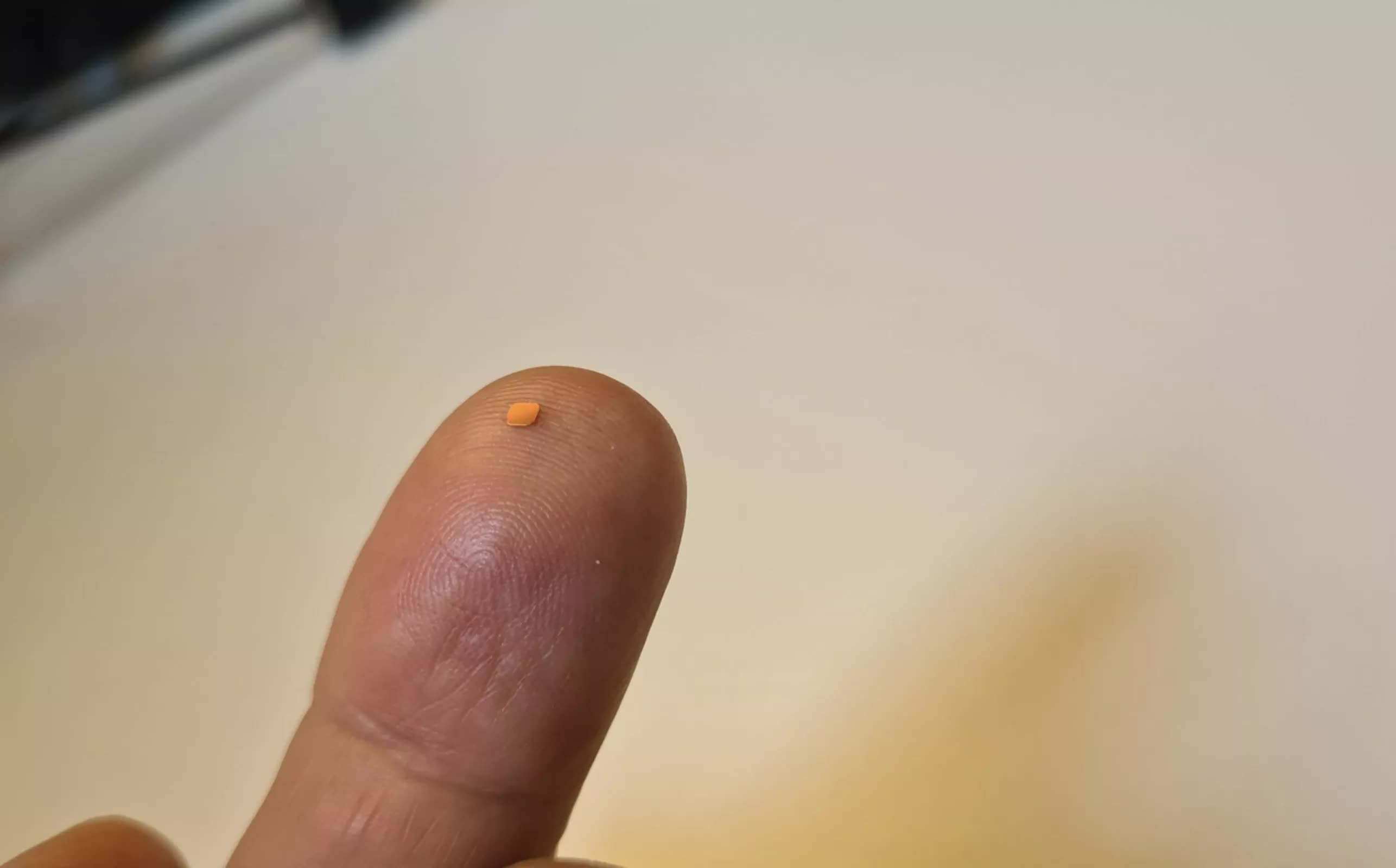
Developed by California-based biotech company Science Corporation, the ultra-thin PRIMA implant measures just two millimeters square and is placed beneath the retina in a brief surgical procedure lasting about two hours. Once activated a month later, the device wirelessly connects to a video camera mounted on augmented-reality glasses.
The camera captures the user's surroundings and sends the visual data to a pocket-sized processor, which uses artificial intelligence to convert the images into infrared patterns. These signals are then projected onto the retinal implant, stimulating the surviving retinal cells around damaged tissue. The resulting electrical impulses travel through the optic nerve to the brain, where they are interpreted as visual images.
The technology is designed for patients with age-related macular degeneration, one of the leading causes of blindness in older adults. The disease damages the macula's light-sensitive cells, creating dark or empty spots in central vision while leaving peripheral sight largely intact. In advanced cases, known as geographic atrophy, these cells die completely, resulting in irreversible sight loss.
Researchers at Moorfields Eye Hospital in London led a multicenter European trial involving 38 participants with late-stage geographic atrophy. Participants from the UK, France, Germany, Italy, and the Netherlands used the PRIMA system for one year.
Results published in the New England Journal of Medicine showed a mean improvement of 25.5 letters – roughly five lines – on a standard eye chart. One patient gained as many as 59 letters, or 12 lines. More than 80 percent of participants reported significantly improved vision, including the ability to read individual letters and recognize faces.
"These are elderly patients who were no longer able to read, write, or recognize faces due to lost vision," Dr. Mahi Muqit, vitreoretinal consultant at Moorfields and the UCL Institute of Ophthalmology, told The Telegraph. "They've gone from being in darkness to using their vision again. In the history of artificial vision, this represents a new era."
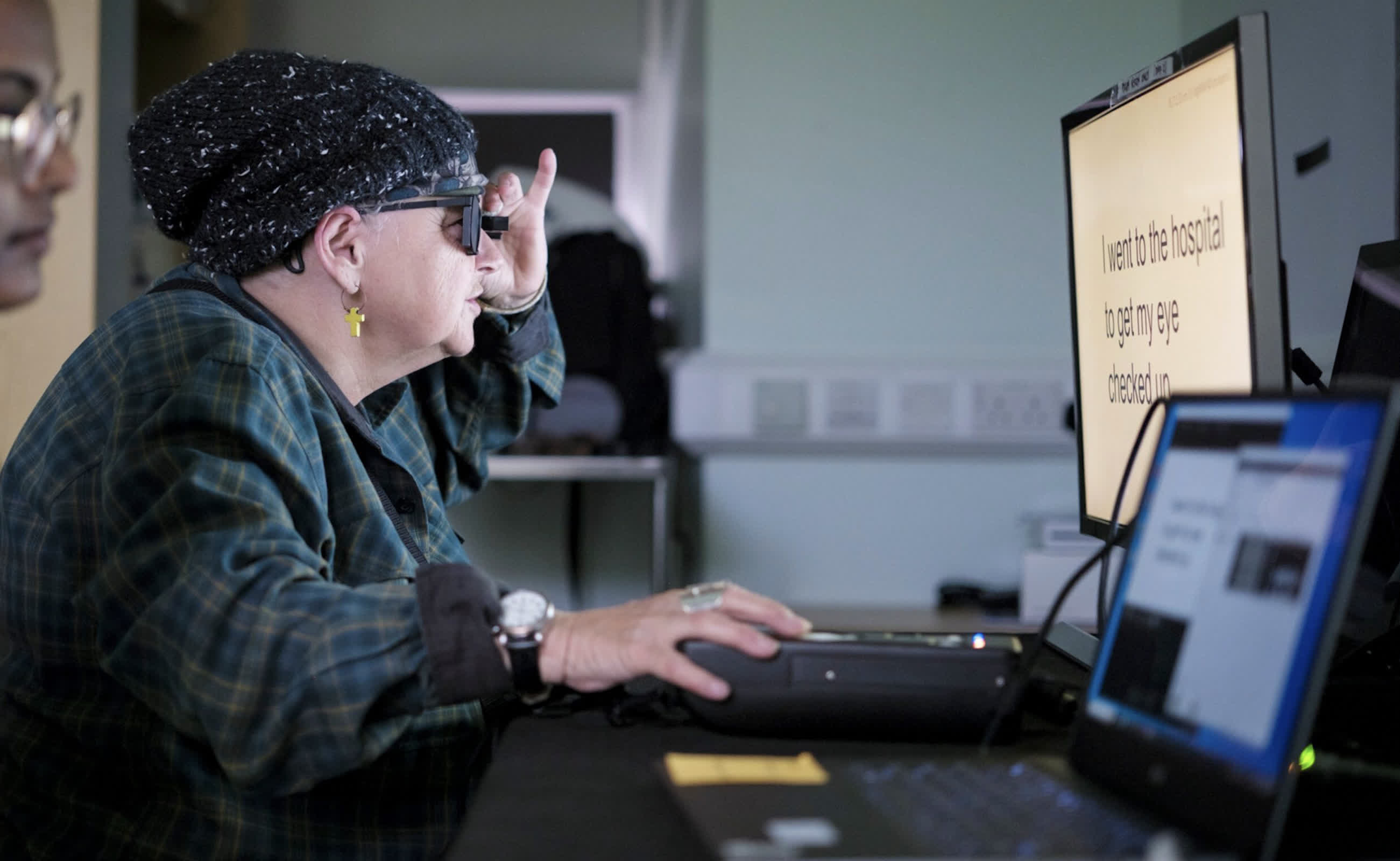
Among the first to receive the implant was Sheila Irvine, who had lived for years with two dark spots obscuring her central vision. Before the procedure, she had been unable to read or drive. "It's a new way of looking through your eyes," she said. "It was incredibly exciting when I began seeing a letter."
Because the brain must relearn how to interpret the electronic signals generated by the implant, patients undergo months of visual rehabilitation after activation. The system's headset includes a "zoom-in" feature that allows users to magnify text, helping those who are learning to read again.
Science Corporation is now seeking regulatory approval across Europe and aims to make the technology available to patients through national health systems, such as the NHS. If authorized, physicians believe the device could represent a major milestone in visual neuroscience, transforming artificial sight from a theoretical goal into a clinical reality for patients previously considered permanently blind.
Image credit: The Telegraph