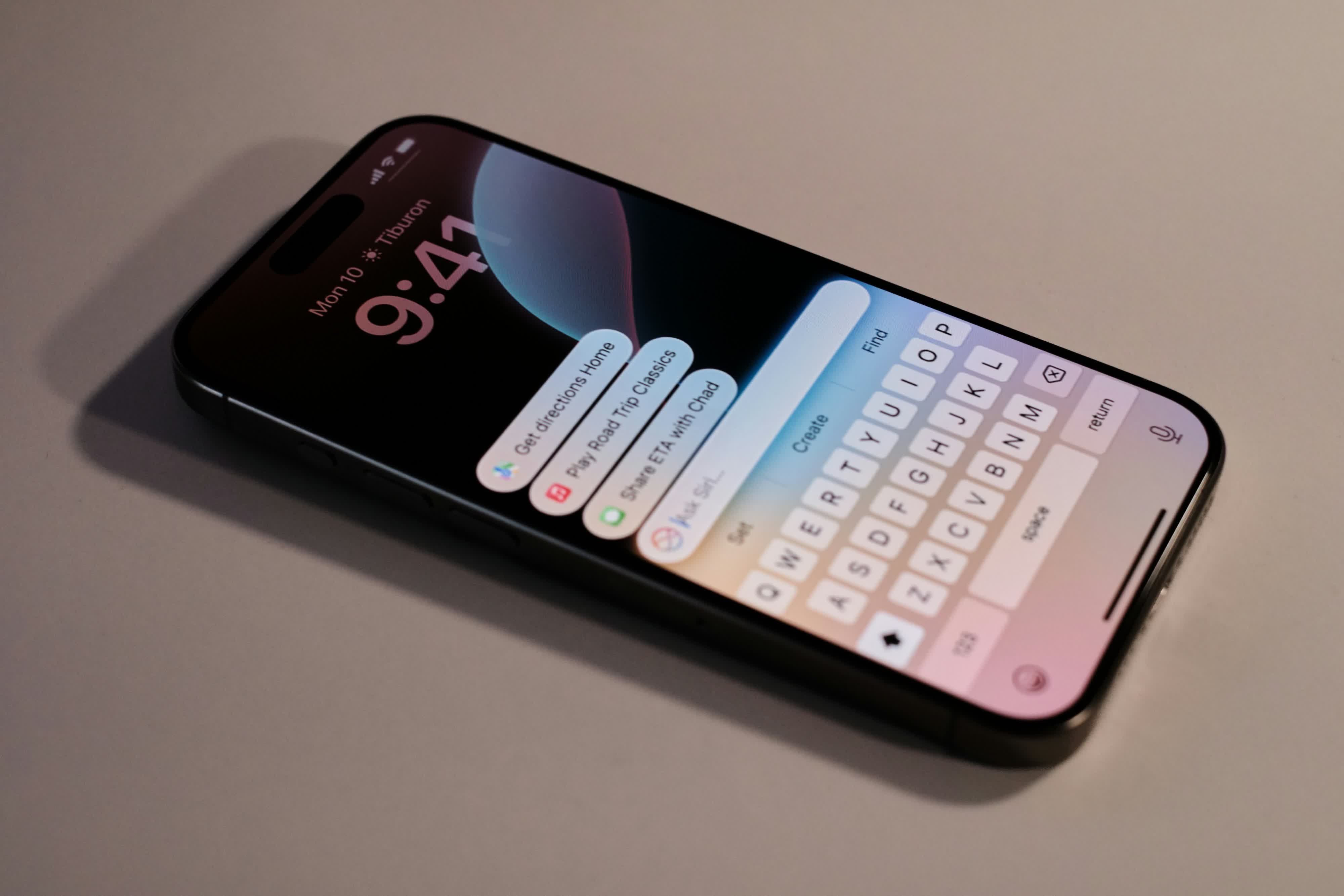
Why it matters: Apple will launch an upgraded version of Siri next year, featuring a range of generative AI capabilities. Initial rumors indicated Cupertino was negotiating with Anthropic and OpenAI to license Claude or ChatGPT. Now insiders say it has struck a deal with Google to use the Gemini LLM instead.
Bloomberg's Apple guru Mark Gurman notes that the new Siri will "lean on Google's Gemini model" for features such as AI-powered web search. Apple expects Gemini to make Siri more capable than ever, though some employees reportedly question whether iPhone users will embrace a Google model given privacy concerns.
To address privacy concerns, Apple is reportedly paying an undisclosed sum to Google to develop a custom Gemini model that will run on Apple's servers rather than Google's. The company believes this setup will reassure customers that the new Siri prioritizes their privacy, rather than letting Google or other third parties use their data for ads or other purposes.

Gurman noted that the partnership between the two tech giants is limited to Gemini and does not involve other Google apps or services. Gmail, Google Maps, Google Photos, and similar services will not suddenly become the default apps on iPhones. Apple appears intent on keeping its ecosystem largely self-contained, even while integrating select external AI technologies.
Earlier this year, Apple reportedly held talks with both Anthropic and OpenAI to use Claude or ChatGPT to power Siri's planned AI features. Claude reportedly became the front-runner after extensive internal testing, but negotiations stalled over cost when Anthropic demanded a multi-billion-dollar contract.
Apple plans to debut the supercharged AI Siri next March with iOS 26.4. Engineers had initially scheduled the update for this spring but delayed it for a year, as they struggled to integrate Siri's old, inefficient codebase with modern large language models.
Alongside the next-gen Siri, Apple will reportedly unveil a smart display next March, though details remain scarce. A few months later, the company will preview its desktop, mobile, and wearable operating systems – including iOS 27, macOS 27, watchOS 27, and more – at WWDC 2026.