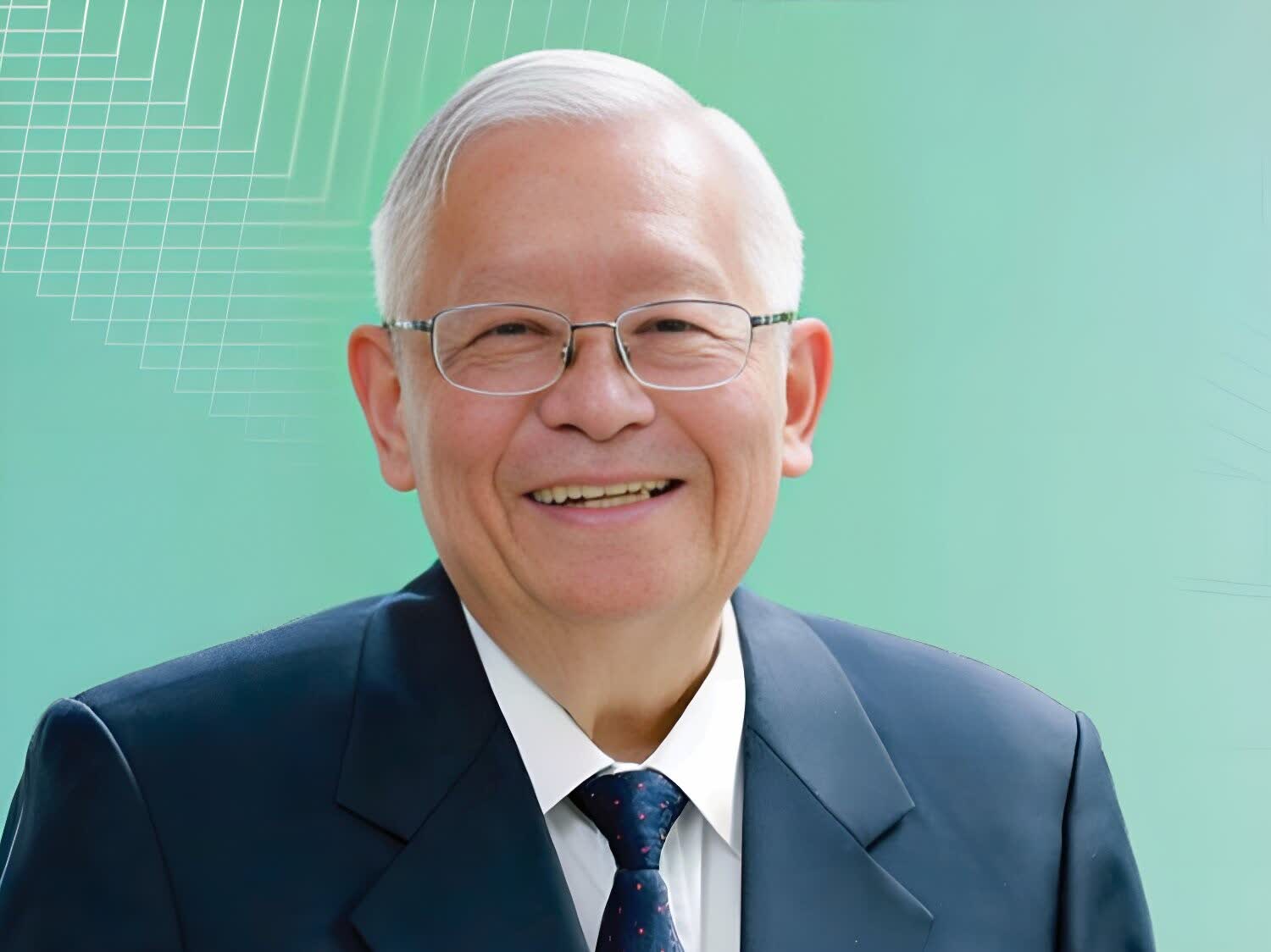
What just happened? TSMC has launched a lawsuit against its former Vice President, Wei-Jen Lo, who left the company after 21 years in July and joined Intel. The Taiwanese firm has accused its former executive of leaking confidential information to its rival.
TSMC filed the lawsuit in the Intellectual Property and Commercial Court. According to a statement from the semiconductor giant, the filing is based on the terms of Lo's contract with the company, including the non-compete agreement he signed, and regulations such as the Trade Secrets Act.
TSMC claims that there is a high probability that Lo may use, leak, disclose, deliver, or transfer TSMC's trade secrets and confidential information to Intel, thereby making legal action necessary.
Shortly after leaving TSMC, Lo became an Executive Vice President at Intel – a move that TSMC says he did not reveal during his exit interview.
TSMC's allegation of sharing trade secrets is based on Lo's access to unreleased technical information, his continued contact with R&D staff from 2024 to 2025, and his immediate arrival at Intel.
Lo was apparently reminded of his non-disclosure and non-compete agreements during his exit interview by TSMC General Counsel Sylvia Fang. When Fang asked about Lo's plans for retirement, he said he would join an academic institution, and did not mention anything about joining Intel, TSMC claims.
Reports that Taiwan prosecutors were investigating Lo for taking advanced chipmaking data to Intel arrived a few days ago. Taiwan Economy Minister Kung Ming-hsin said the government would closely monitor if the situation could affect Taiwan's semiconductor industry or its customer relationships.
Intel CEO Lip-Bu Tan has denied any wrongdoing, telling Bloomberg News that his "company respects intellectual property rights."
Lo actually joined TSMC from Intel back in 2004 – he'd run an Intel development factory in Santa Clara, California. He started as Vice President, rising to the position of Senior Vice President. Lo's role in advanced process development and R&D saw him lead teams responsible for thousands of patents globally.
Under Lo's leadership, TSMC developed and rolled out multiple next-generation process nodes: 7nm, 5nm, 3nm. He also contributed to the strategic direction toward the 2nm node.
Lo's experience, from roles at Intel, Motorola, and Xerox, to positions in academia, and to spearheading R&D and strategy at TSMC, makes him one of the most seasoned and influential executives in the global semiconductor-manufacturing space. There's no doubt he would be a huge asset to Intel and its foundry plans.