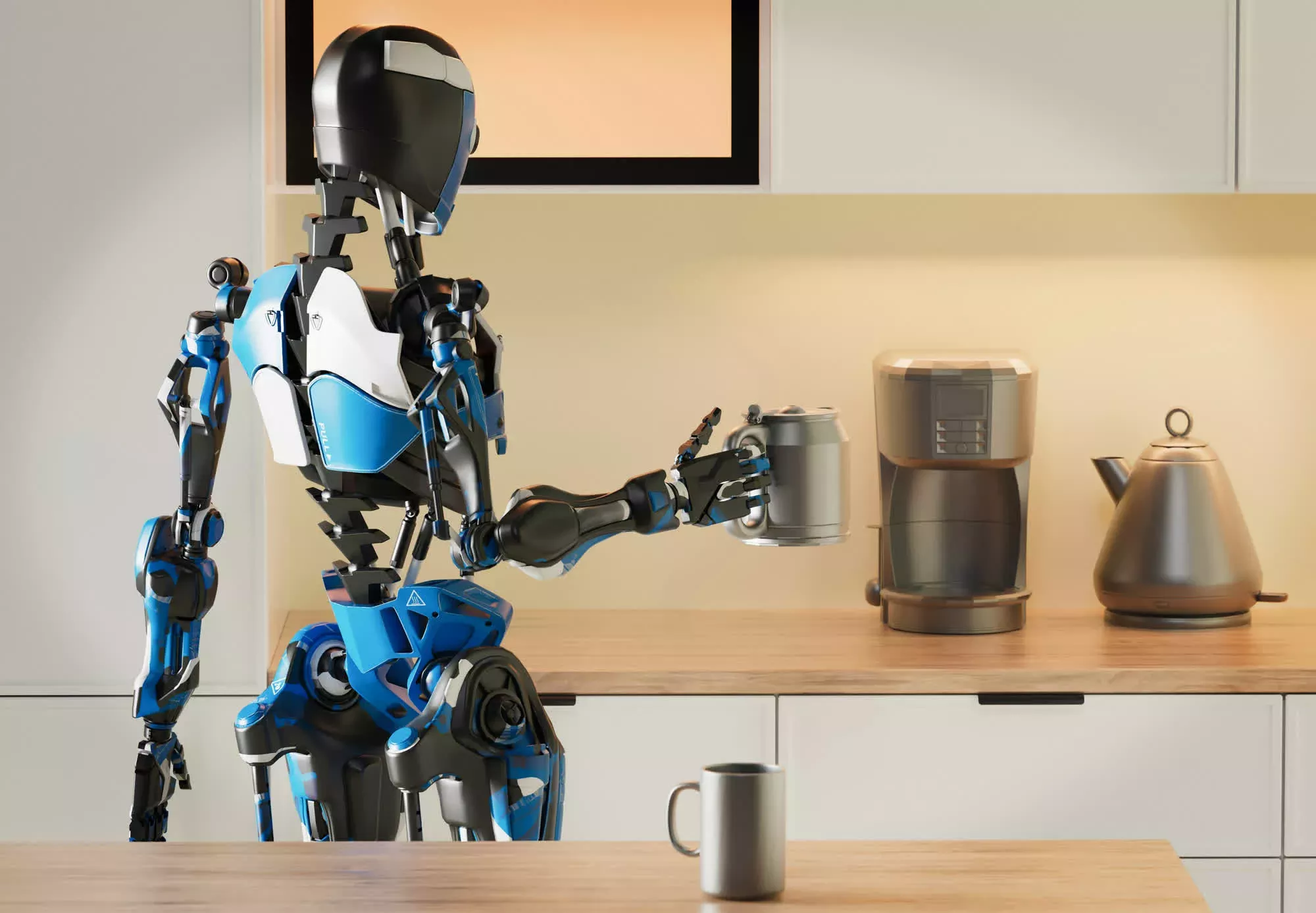
According to most predictions, this year was expected to be the breakout moment for robotics at CES, and in many ways, it was. While physical robots generated the biggest immediate buzz on the showfloor, it's the quieter announcements around robotics platforms and tools that are likely to have the greatest long-term impact.
There was no shortage of robotic devices and demonstrations in Las Vegas, but most were not ready for prime time and are unlikely to become commercial products anytime soon.
By contrast, the innovations unveiled by chipmakers, system builders, IP-focused firms, and software providers will begin making a real difference as early as this year. Architectures, reference platforms, software tools, and subcomponents from companies such as Nvidia, AMD, Intel, Qualcomm, Arm, and others are laying the groundwork for what many are calling the Physical AI revolution.
Qualcomm kicked things off with the latest addition to its robotics platform: the Dragonwing IQ10 system-on-chip. Designed for advanced robotics applications, including the "brains" of humanoid robots, the IQ10 combines many of Qualcomm's most powerful technologies.
It integrates up to 18 compute-grade Oryon CPU cores, an Adreno GPU, a Hexagon NPU, a Spectra image signal processor, support for up to 20 cameras, and more, delivering a claimed system-wide performance of up to 700 TOPS. The chip also includes a real-time safety subsystem to support functional safety standards that are critical for robotics deployments.
Beyond the new chip, Qualcomm highlighted its broader portfolio of Dragonwing industrial processors and software tools. The company also emphasized that its recent acquisition of Arduino enables it to reach a vast spectrum of robotics developers, from students and hobbyists to industrial professionals through a consistent toolchain.
At Nvidia's keynote, CEO Jensen Huang outlined the company's expanding robotics platform strategy. From updated Jetson and Thor compute platforms (the new Jetson T4000 is powered by Blackwell GPUs) to an extensive lineup of models and training tools, Nvidia presented an ambitious vision for advancing robotics.
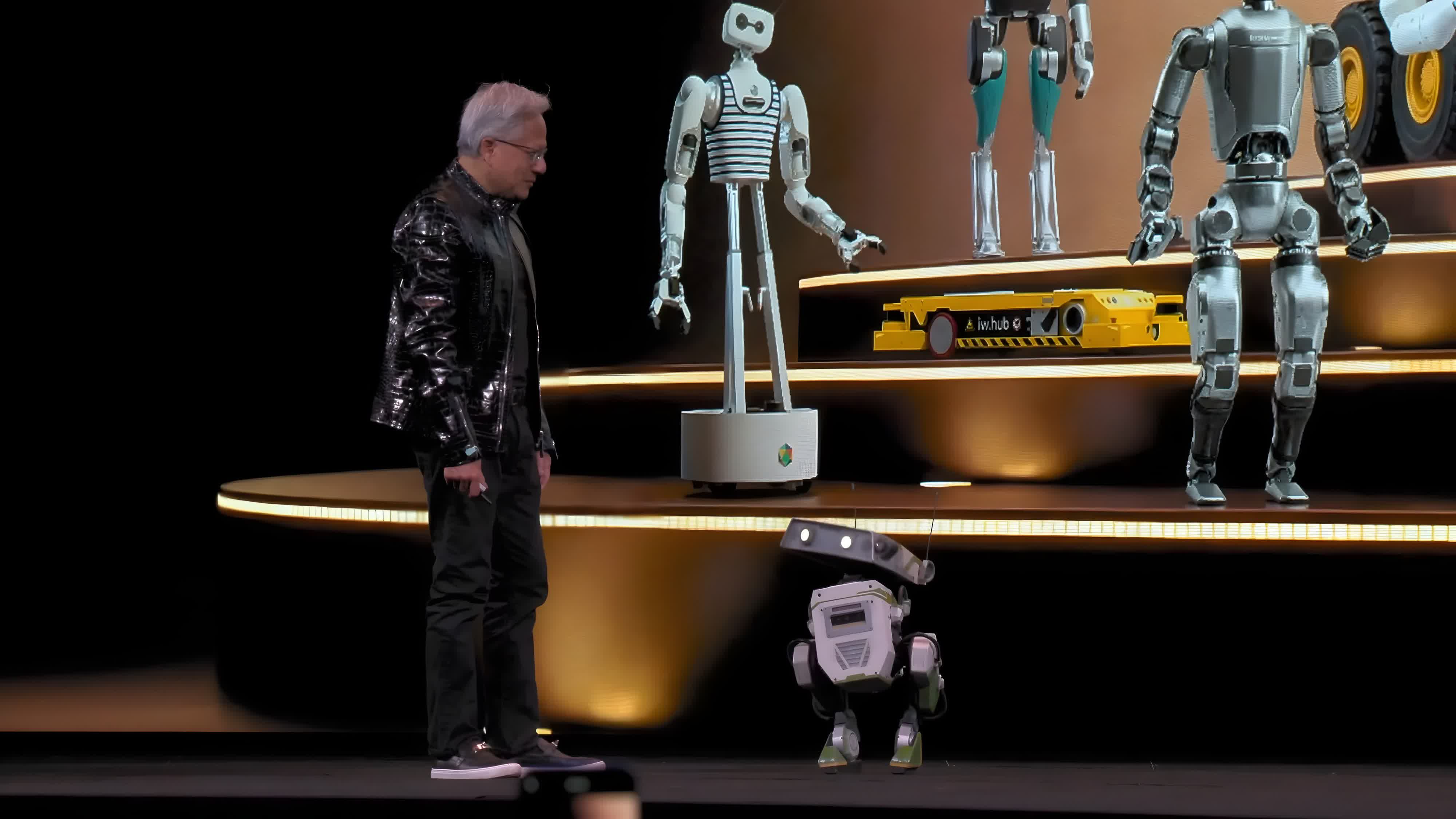
Notably, much of the company's focus has shifted toward software and AI models. New releases such as Cosmos Transfer and Cosmos Predict 2.5 extend Nvidia's "world models" for simulation and training in real-world environments. Cosmos Reason 2, a vision-language model, and Isaac GROOT N1.6, a vision-language-action model, are designed to help robots see, understand, and respond to the physical world, with GROOT specifically targeting full-body control for humanoid robots.
Intel also touched on robotics during its keynote, highlighting its Edge AI-focused version of the Core Ultra Series 3 platform, codenamed Panther Lake. While Intel isn't always top of mind in robotics discussions, it has long played a role in industrial automation.
With significantly improved GPU capabilities and an enhanced NPU in Core Ultra Series 3, Intel is positioning itself to capitalize on growing interest in physical AI. The company recently updated its Robotics AI Suite to support the new platform and introduced an industrial-grade Edge AI variant of Panther Lake at CES. This marks the first time Intel has launched mainstream PC and edge-focused chips simultaneously, underscoring its intent to move quickly into robotics and edge AI markets.
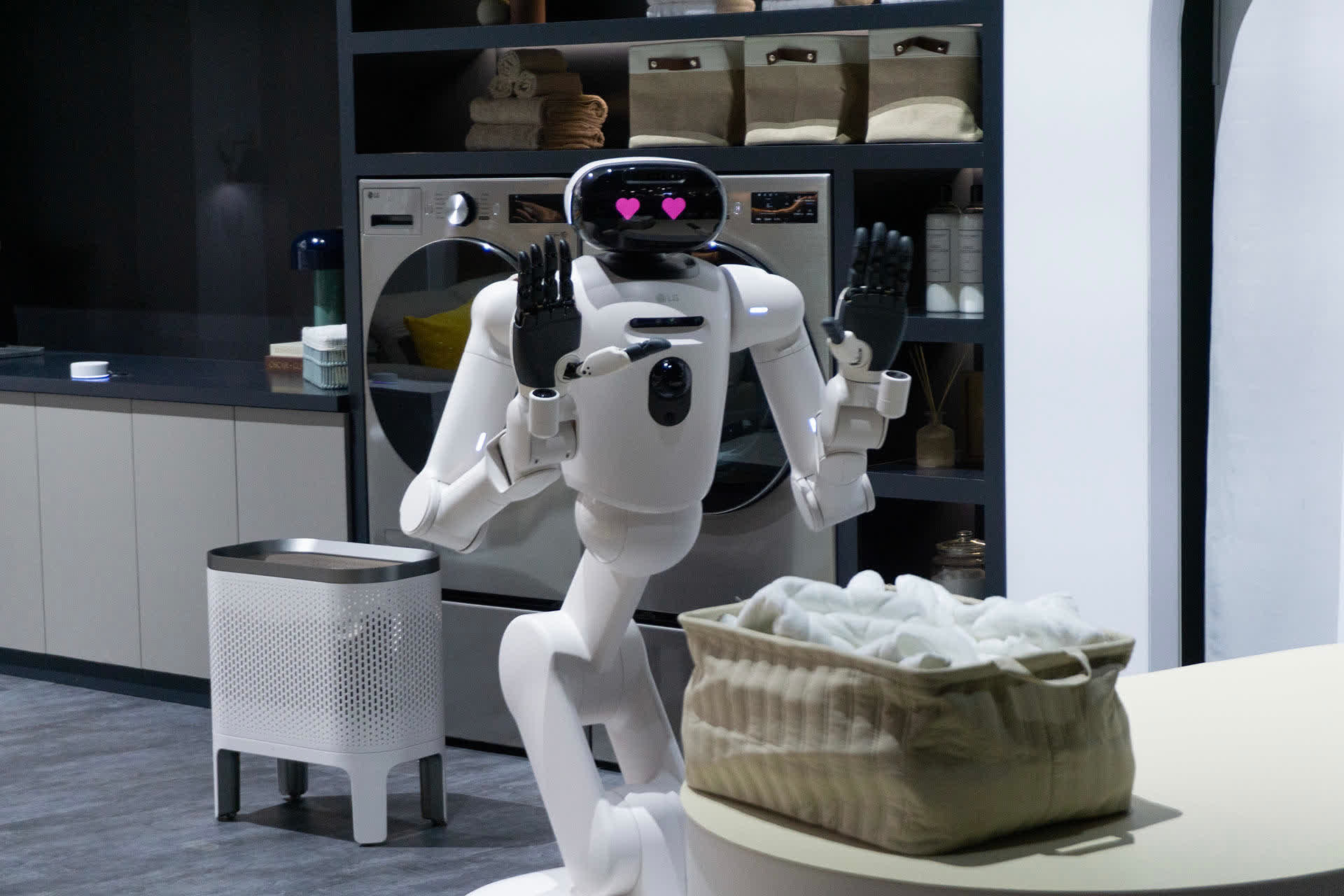
AMD CEO Dr. Lisa Su also emphasized robotics during her keynote, framing it as part of a broader narrative about the company's expanding reach. While AMD did not announce specific robotics products, it showcased an impressive humanoid robot called GENE.01, developed by Italian firm Generative Bionics, a recent spinout from the Italian Institute of Technology.
The robot is said to rely on AMD technology, including FPGAs for embedded vision and sensor processing, as well as AMD CPUs, GPUs, and the open-source ROCm software stack. Originally targeted for release by the end of this year, GENE.01 features innovations such as whole-body tactile sensors connected to FPGAs, creating a touch-sensitive "skin" intended to enable safer human interaction.
The fact that the robot didn't walk on or off the stage was a bit disappointing and suggests the timeline may be optimistic. However, in a separate discussion with Generative Bionics CEO Daniele Pucci, I learned more about the company's roots at IIT and its more than 20-year history of building robots capable of highly precise movement. That background – and its partnership with AMD – could prove valuable for AMD's longer-term robotics ambitions.
Semiconductor design leader Arm did not announce any specific robotics products at CES, but the company revealed a recent reorganization that consolidates its automotive, IoT, and robotics efforts into a single group led by industry veteran Drew Henry.
In conversations with Henry, he emphasized Arm's long-standing role in robotics, real-time systems, functional safety, microcontrollers, and the software layers that tie these components together. It's reasonable to expect more robotics-related initiatives from Arm in the coming years.
A recurring theme across discussions was the overlap between automotive and robotics technologies – particularly in areas such as autonomous driving. Nvidia's Jensen Huang has been talking about ADAS as a form of Physical AI for some time, so no surprise there.
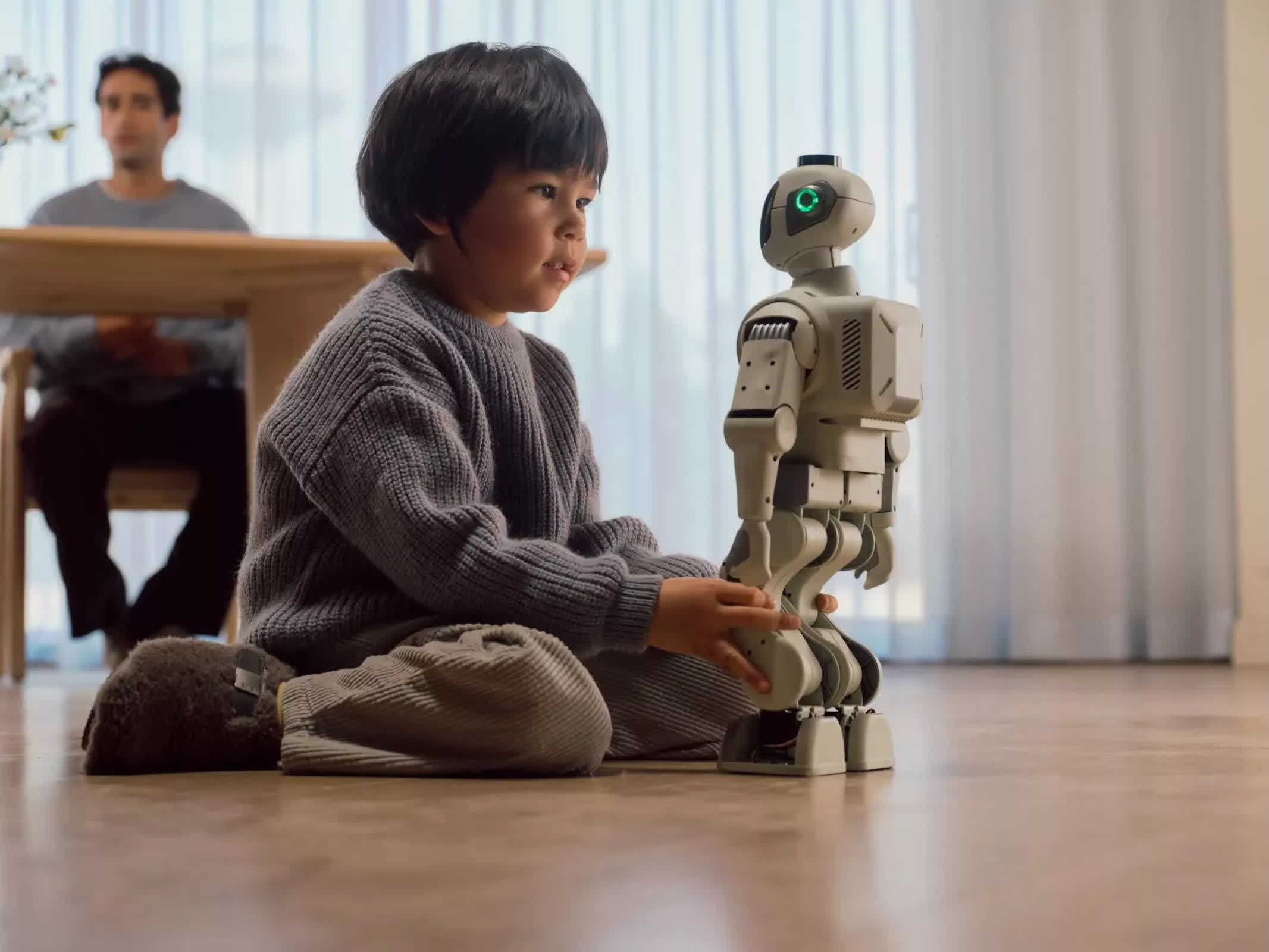
However, it also became clear that just as smartphone-related technologies can impact PCs (and vice versa), there are significant differences in the expectations and demands around robotics versus autonomous driving. Hence, just finding success in one market does not ensure success in the other. As always, it boils down to having the right combination of hardware, software, platforms, architectures, and other elements in order to create products that the market is willing to accept.
Robots in science fiction is one thing, but in everyday real life? I think incremental steps between a robotic vacuum cleaner and real-life Rosie the Robot are going to be essential.
Beyond technical challenges, robotics faces broader hurdles.
One thing that became abundantly clear at this year's CES is that the full, widespread commercialization of humanoid-style robots is still many years away – and initial price points are likely to be extremely high. But even beyond these technical and economic concerns, another issue is social acceptance of these devices.
Unlike most any other technology product category we've ever seen, I think humanoid-style robots are going to face a psychological barrier to adoption that goes well beyond even some of the concerns that have been raised regarding autonomous cars.
Robots in science fiction is one thing, but in everyday real life? Well, that's another. And it's not just me. In numerous conversations around the show, I heard similar sentiments. Plus, there are enormous physical safety issues around multi-hundred-pound metal devices traipsing through our home and work environments. Personally, I think incremental steps between a robotic vacuum cleaner and real-life Rosie the Robot are going to be essential, but it will be fascinating to see how this market evolves.
Even with these concerns, however, it's clear that the excitement and anticipation for a robust robotics market is going to drive many important tech innovations over the next few years. It's also going to create a huge range of opportunities for existing players as well as for startups and other as-yet-unknown companies. As with most things, people will eventually start to get used to robotics devices, so the question won't be if the robotics market happens, but when.
Bob O'Donnell is the founder and chief analyst of TECHnalysis Research, LLC a technology consulting firm that provides strategic consulting and market research services to the technology industry and professional financial community. You can follow him on Twitter @bobodtech