Ripple effect: While critics and PC enthusiasts are cheering for the AI bubble to burst, Big Tech and enterprise ventures cannot buy AI accelerators fast enough. In fact, even one of the world's most important chip manufacturers is now facing significant issues with its ability to meet customer demand.
The industry is slowly coming to the realization that AI is not a magic spell for automatically boosting revenue and efficiency, but the tech world shows no signs of slowing down the AI train. According to a recent report from The Information, two of the biggest IT corporations in the world are requesting far more AI chips than Taiwan's semiconductor industry can currently supply.
The report focuses on Taiwan Semiconductor Manufacturing Co., the foundry at the forefront of today's most advanced silicon production. Sources familiar with the matter said that TSMC recently had to say "no" to both Nvidia and Broadcom, who were requesting increases in AI chip production.
TSMC CEO CC Wei recently told investors that the company's manufacturing lines for the most advanced chips are now operating at only a third of the demand coming from customers. Nvidia is seeking more GPUs and AI accelerators to sell to Big Tech, while Broadcom is requesting TSMC's support to produce additional TPU chips for Google's data centers.
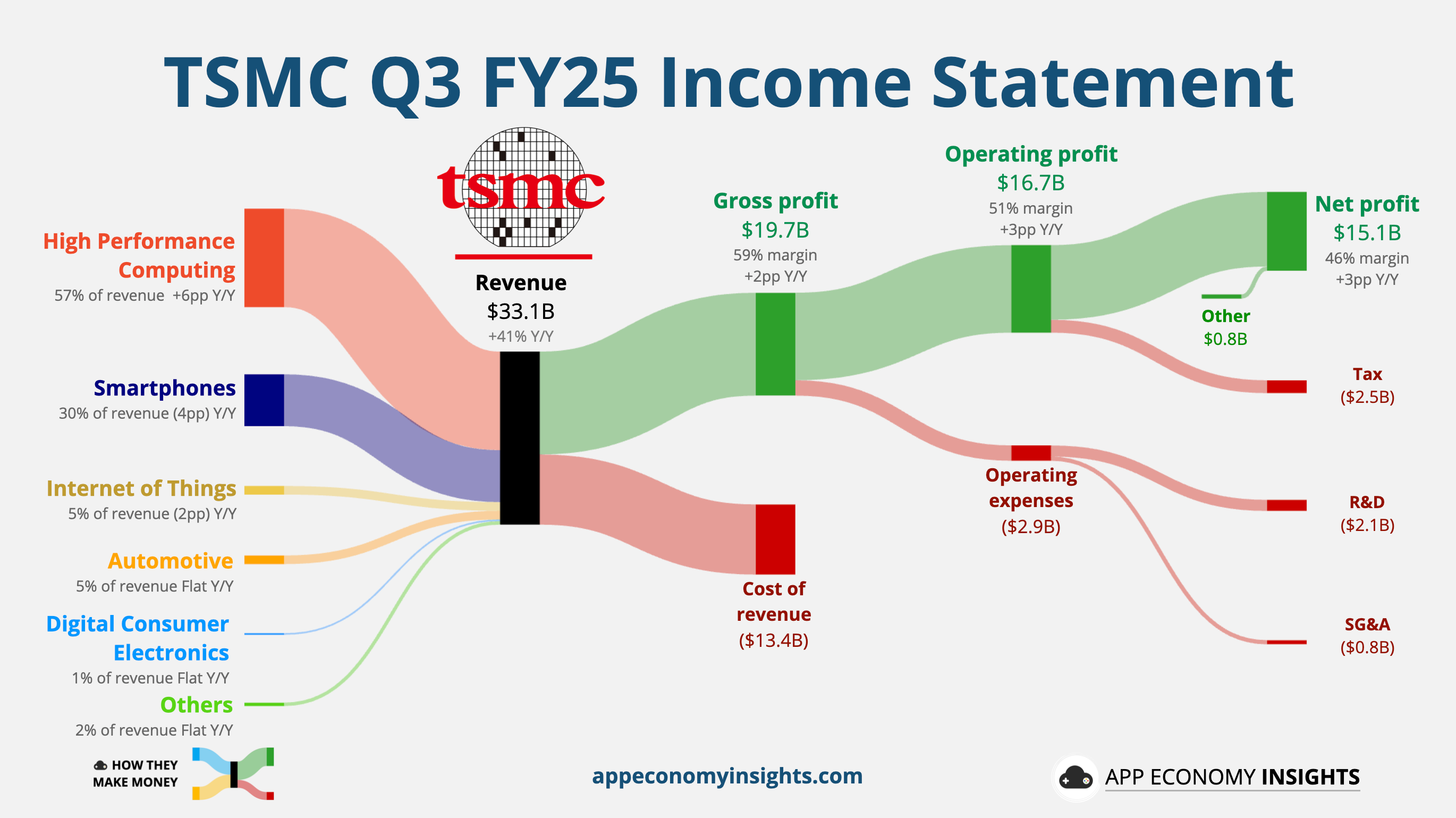
Credit: App Economy Insights
TSMC is exploring several solutions to this unprecedented supply chain issue. Sources say the company is converting a plant in Japan to its most advanced 2 nm manufacturing node, but the facility is still under construction and will not come online until 2027. In addition, TSMC is accelerating work on its Arizona plant to begin producing 3 nm chips in the US, also in 2027.
The Taiwanese foundry is attempting to follow its traditional business model, which relies on annual forecasts of customer needs to guide production allocation. In a sense, TSMC is now "suffering" from the unpredictable behavior of the AI industry, where demand and expansion plans are highly erratic.
Simply put: if the AI bubble bursts tomorrow, customers may lack the financial resources to fulfill their AI chip orders. TSMC could then face the same challenges it experienced after pandemic-related IT spending spikes, with shrinking margins and idle manufacturing lines.
Conversely, if AI demand continues to surge over the next few years, analysts predict that TSMC may still lack sufficient manufacturing capacity to meet global demand. This could create opportunities for other foundries to significantly expand their market share.
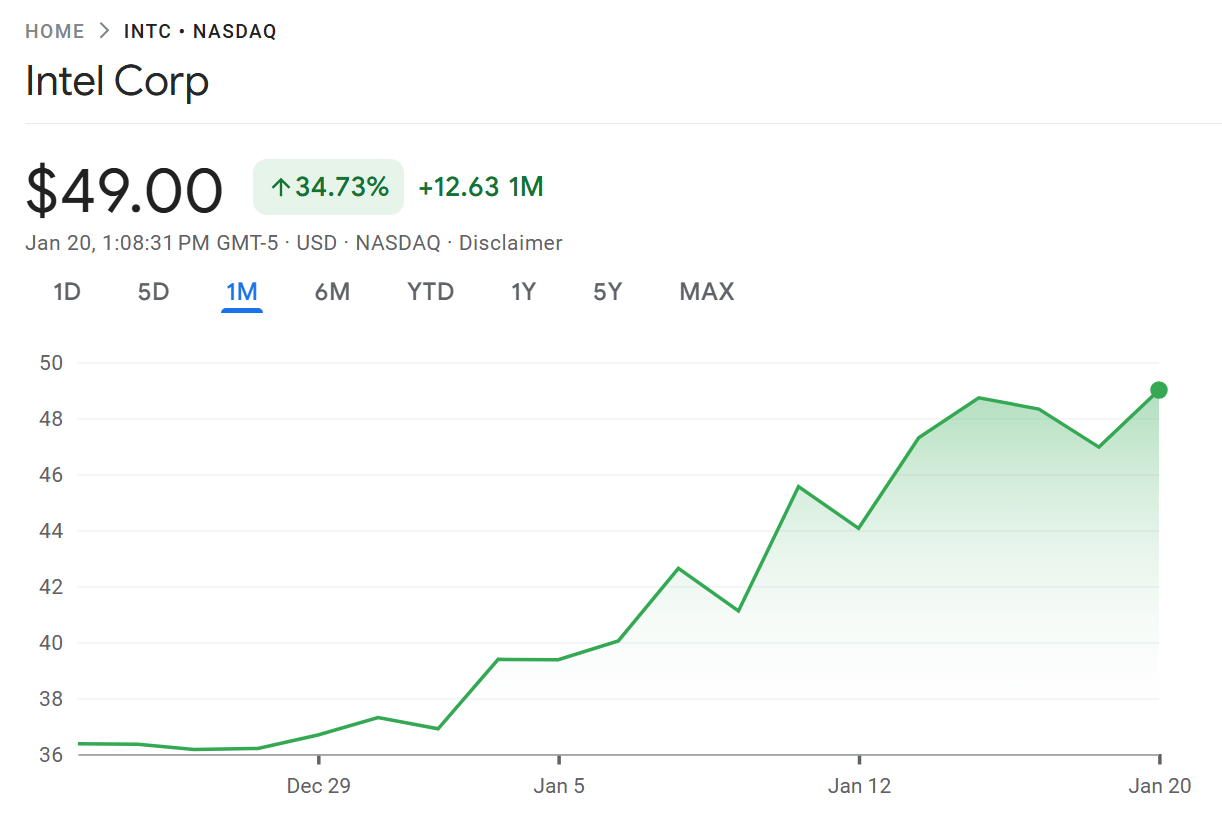
Intel, for example, is in prime position to pick up TSMC's slack. The chipmaker really started turning things around, financially speaking, in the latter portion of 2025 and seems to be riding that wave of success into early 2026. As of writing, shares are up more than five percent on the day.