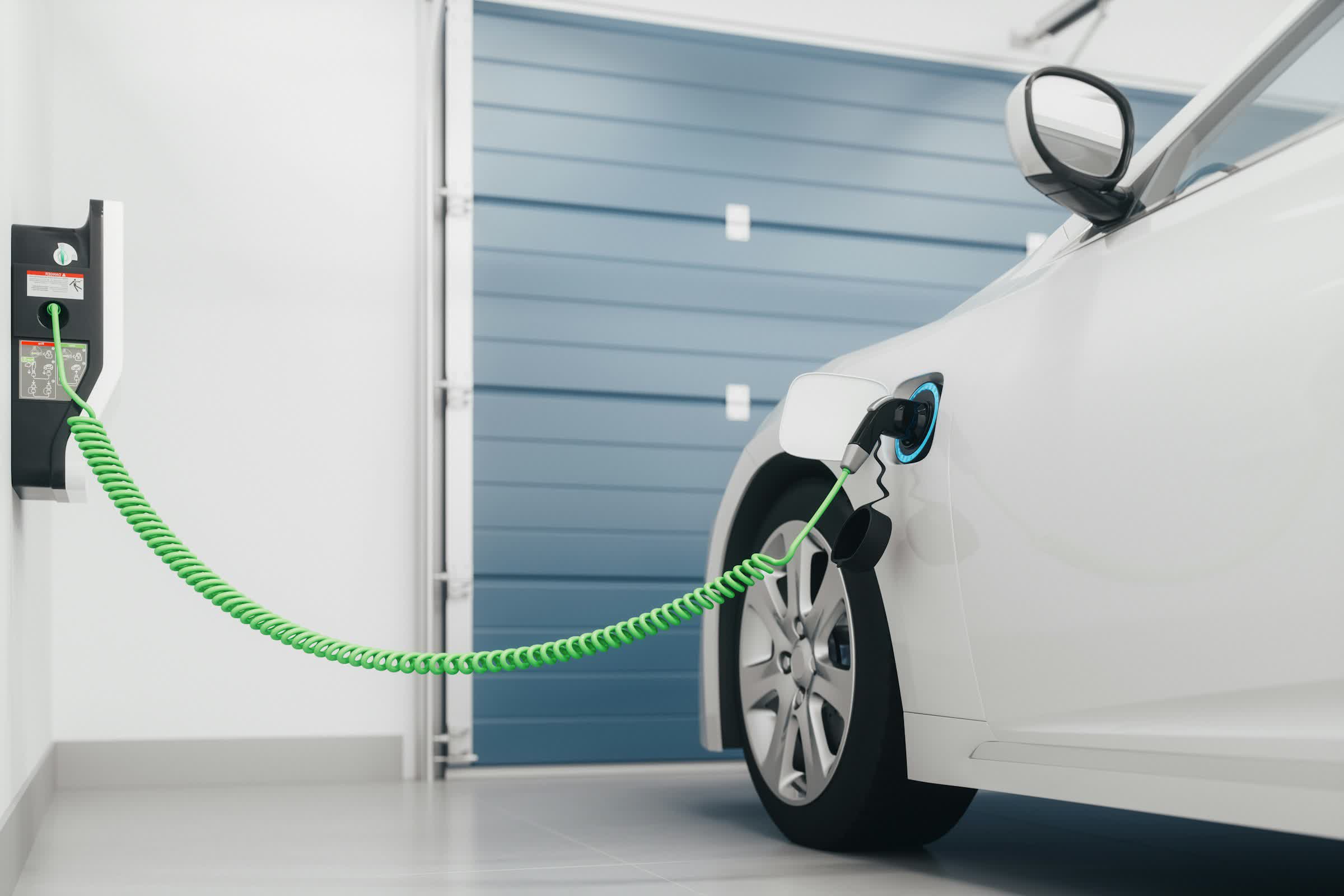
Connecting the dots: The quiet reappraisal of plug-in hybrids is taking shape inside the auto industry. What was once positioned as a bridge technology between gas-powered cars and fully electric vehicles now looks, by many measures, like a detour. Real-world data shows that most plug-in hybrid drivers rarely charge their vehicles, undermining the technology's environmental value – and prompting automakers like General Motors to rethink how much faith to put in it.
Speaking at the Automotive Press Association conference in Detroit, GM CEO Mary Barra acknowledged a problem that regulators and researchers have been documenting for years. "Most people don't plug them in," she said, referring to plug-in hybrid electric vehicles (PHEVs). It's a simple statement that captures why the company, while investing heavily in all-electric platforms, is taking a more cautious approach to hybrids. GM plans to introduce plug-in hybrid models to North America in 2027, but Barra characterized the strategy as "thoughtful" rather than enthusiastic.
Underlying that caution is a troubling emissions record. Although plug-in hybrids were marketed as a step toward cleaner driving, their real-world carbon output often rivals or even exceeds that of gasoline vehicles.
According to Transport and Environment, a European nonprofit that studies vehicle emissions, the average plug-in hybrid emits nearly five times its official rating. The group's 2025 analysis found that most drivers rely on their gas engines for the majority of their trips, despite having the ability to charge. The European Commission's own data pointed to a similar gap, finding real-world output about 3.5 times higher than lab results.
In the United States, the pattern holds. A study by the International Council of Clean Transportation estimated that plug-in hybrids consume 42% to 67% more fuel in real conditions than reflected in their Environmental Protection Agency labels.

Researchers attribute the discrepancy to driver behavior: regulatory models assume that roughly 84% of trips use electric power, but real-world data shows that only about 27% do.
The physics of the vehicles don't help either. Because plug-in hybrids carry both an electric drivetrain and a gasoline engine, they weigh more than conventional cars. Once the limited all-electric range – often only 20 to 30 miles – is exhausted, drivers are left with a heavier vehicle propelled by an internal combustion engine, reducing efficiency.
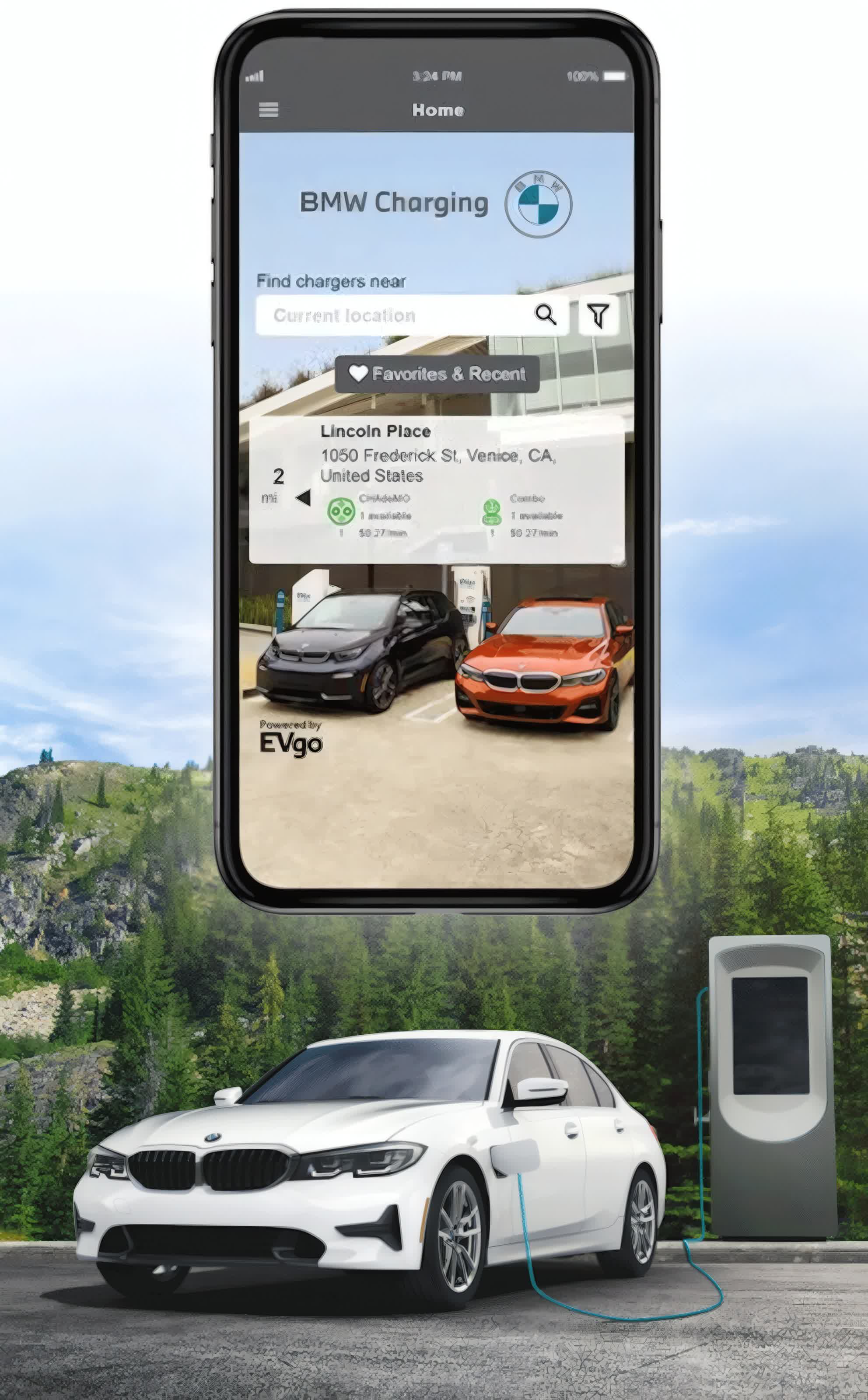
Consumer Reports highlighted that disadvantage with BMW's 330e xDrive plug-in hybrid, which returns 25 mpg after its electric range is depleted – worse than its gas-only counterpart, the 330i xDrive.
For automakers, the strategic appeal of hybrids is clear. Federal tax credits that once boosted EV adoption ended in 2025 under the Trump administration, and new tariffs have further strained the market. Electric vehicle sales growth slowed for the first time in five years, dimming the optimism that had helped keep US transportation emissions flat.
Hybrids give companies like GM a way to offer improved efficiency without depending on subsidies or on customers to adapt to all-electric infrastructure.
Still, environmental analysts argue that hybrids are a stopgap at best – and a distraction at worst. The European advocacy group Transport and Environment called PHEVs "a diversion on the road to zero emissions," while US research from ICCT suggests similar limits on their environmental gains. If consumers continue to treat plug-in hybrids as conventional cars, the expected emissions savings simply vanish.
That logic echoes across boardrooms as the industry recalibrates its transition strategy. Barra's comment that EVs are "the endgame" hints at an eventual convergence around full electrification, but the path there remains uneven.
As the EV market matures, automakers are discovering that technology is only half the challenge; the other half is behavior. And until drivers start plugging in, plug-in hybrids will remain an elegant engineering solution that fails in the real world.