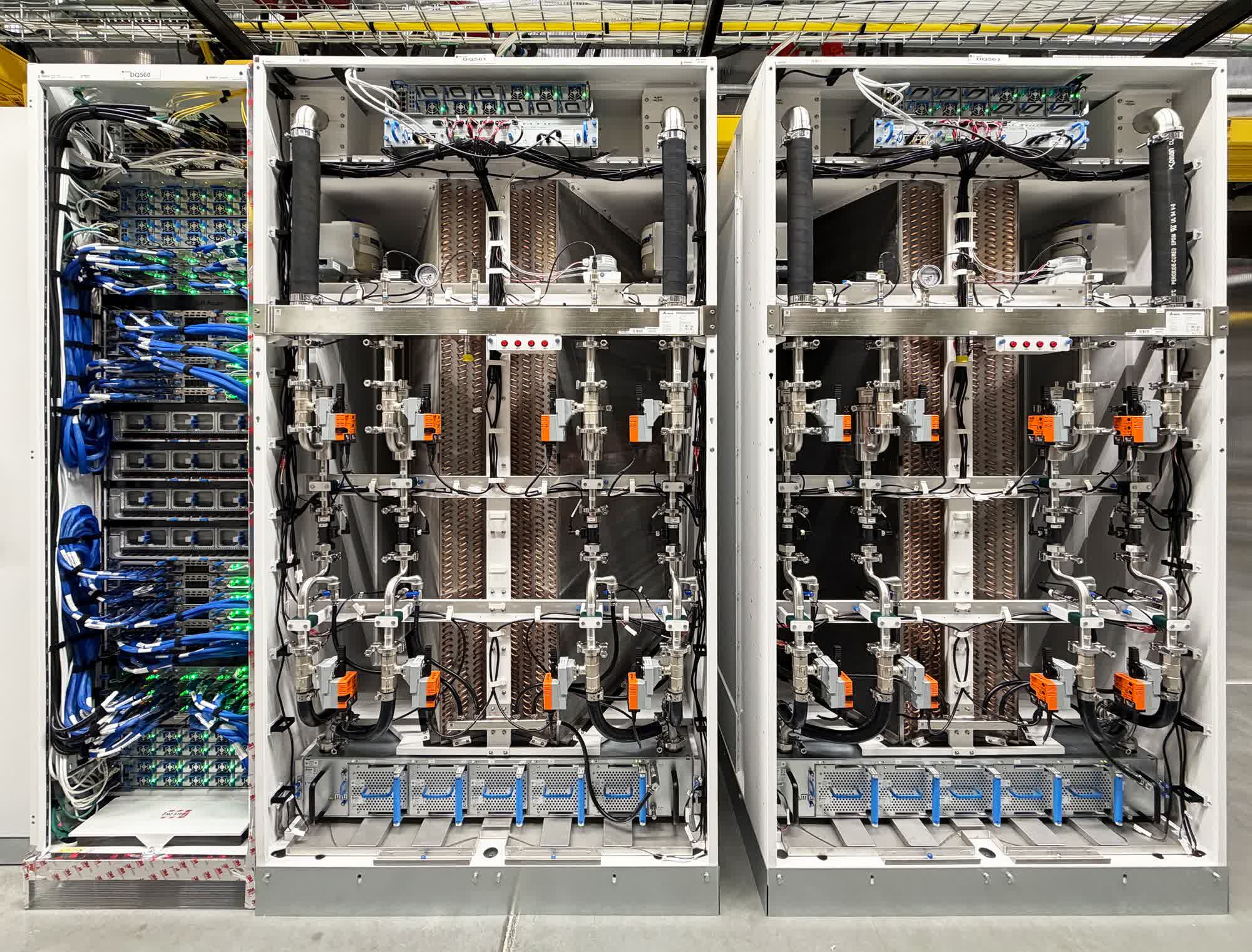
DRAM Slop: While plenty of frustrated consumers are rooting for the AI bubble to finally pop, the world's biggest tech companies are still reshaping global supply chains to feed the industry's insatiable appetite for hardware – especially memory.
According to reports from Korean sources, Microsoft and SK Hynix have recently entered an exclusive partnership in the memory business. The South Korean giant, one of the world's leading makers of DRAM and NAND Flash, is allegedly poised to become the sole supplier of high-bandwidth memory for Microsoft's next generation of AI data center accelerators.
The timing lines up with Microsoft's recent unveiling of Maia 200, a new powerful system-on-chip built to handle AI inference workloads inside the company's own data centers. Maia 200 is being manufactured using TSMC's cutting-edge 3nm process and is expected to ship with a hefty 216GB of HBM3e VRAM, alongside an enormous 272MB on-chip SRAM cache.
Industry insiders claim that each Maia 200 accelerator will feature six separate HBM3e memory modules produced by SK Hynix, delivering a staggering total bandwidth of 7TB/s.

Korean outlet Maeil Business Newspaper cited sources across both the chip and brokerage industries, though SK Hynix has declined to comment, with a spokesperson stating the company cannot discuss customer relationships.
Still, investors wasted no time reacting. SK Hynix shares jumped 8.7 percent on the Korea Exchange after Maeil's report, Bloomberg notes. And despite the looming possibility of additional tariffs imposed by the US administration, the memory manufacturer is now enjoying a surge in market value, a familiar story for hardware firms benefiting from the AI-driven boom.
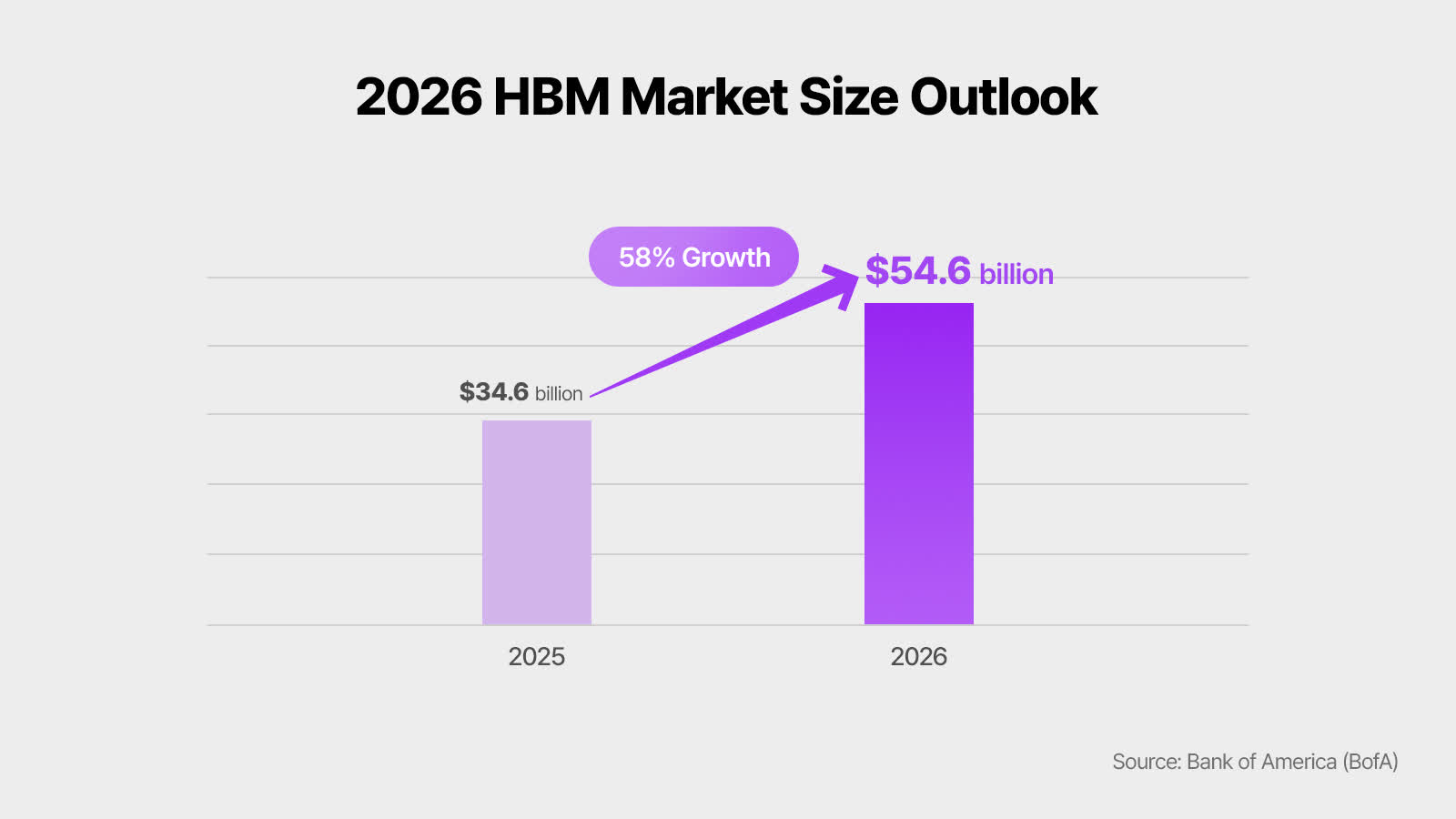
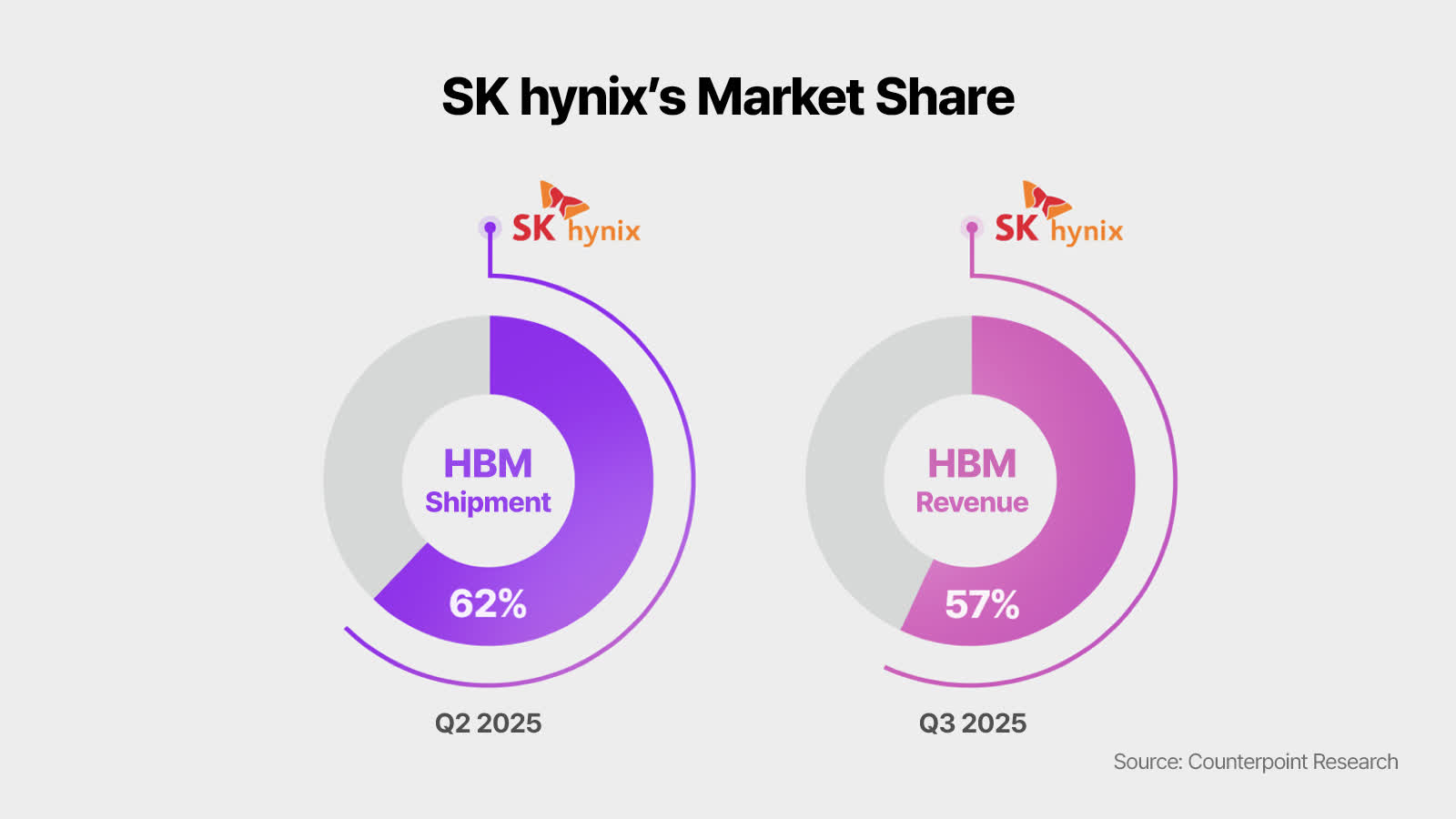
SK Hynix has also raised its earnings expectations tied to its high-bandwidth memory business. Jung In Yun, chief executive officer at Fibonacci Asset Management Global, suggested the company is likely to exceed its early forecasts.
Meanwhile, SK Hynix is doubling down on production. The company recently announced plans to build a new manufacturing plant in South Korea to expand output of HBM and other DRAM products. It also revealed that its entire DRAM, NAND Flash, and HBM capacity for the coming months is already sold out.
Korean chipmakers, it seems, are increasingly able to set their own terms – and their own prices – for Big Tech and hyperscale data center customers, even as everyday PC buyers find themselves pushed further to the margins of an already strained hardware market.