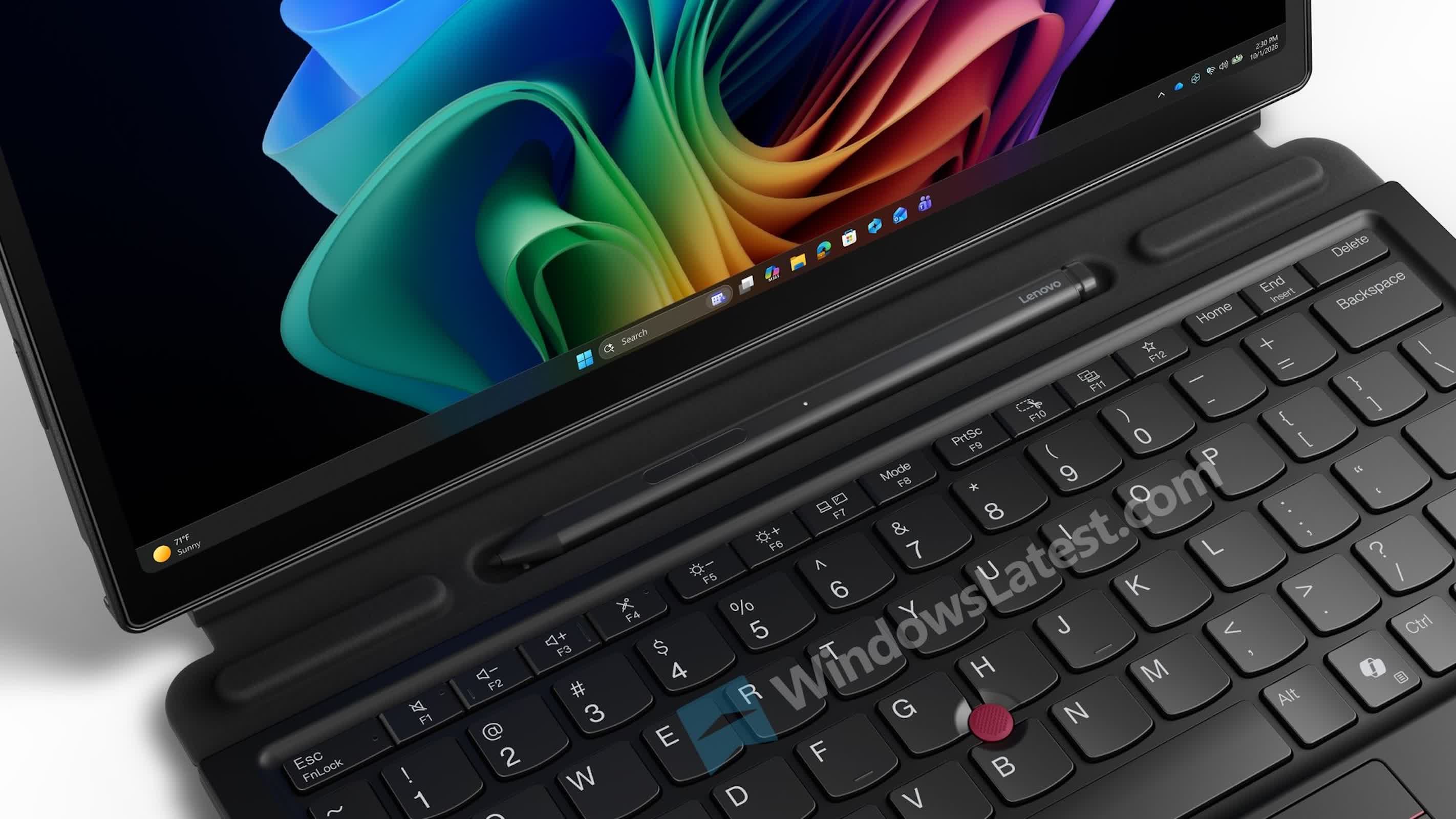
Crystal ball: Lenovo is preparing a comeback for its detachable ThinkPad line, and the company appears determined to prove that productivity tablets don't have to sacrifice durability for sleek design. Exclusive images and details obtained by Windows Latest reveal the ThinkPad X13 Detachable Gen 1, a lighter and slimmer successor to the X12 series.
According to sources familiar with Lenovo's plans, the device is slated to debut at Mobile World Congress in Barcelona, scheduled for March 2 to 5. It marks the company's first detachable refresh in two years.
At first glance, the ThinkPad X13 Detachable sheds some of the bulk that characterized earlier models. The display bezels have been narrowed, suggesting an upgrade from the previous 12.3-inch panel to a slightly larger screen – hence the updated name.
Lenovo's signature Eclipse Black finish returns, maintaining consistency with the broader ThinkPad design language. However, nearly every structural element of the X13 has been reworked with portability in mind.
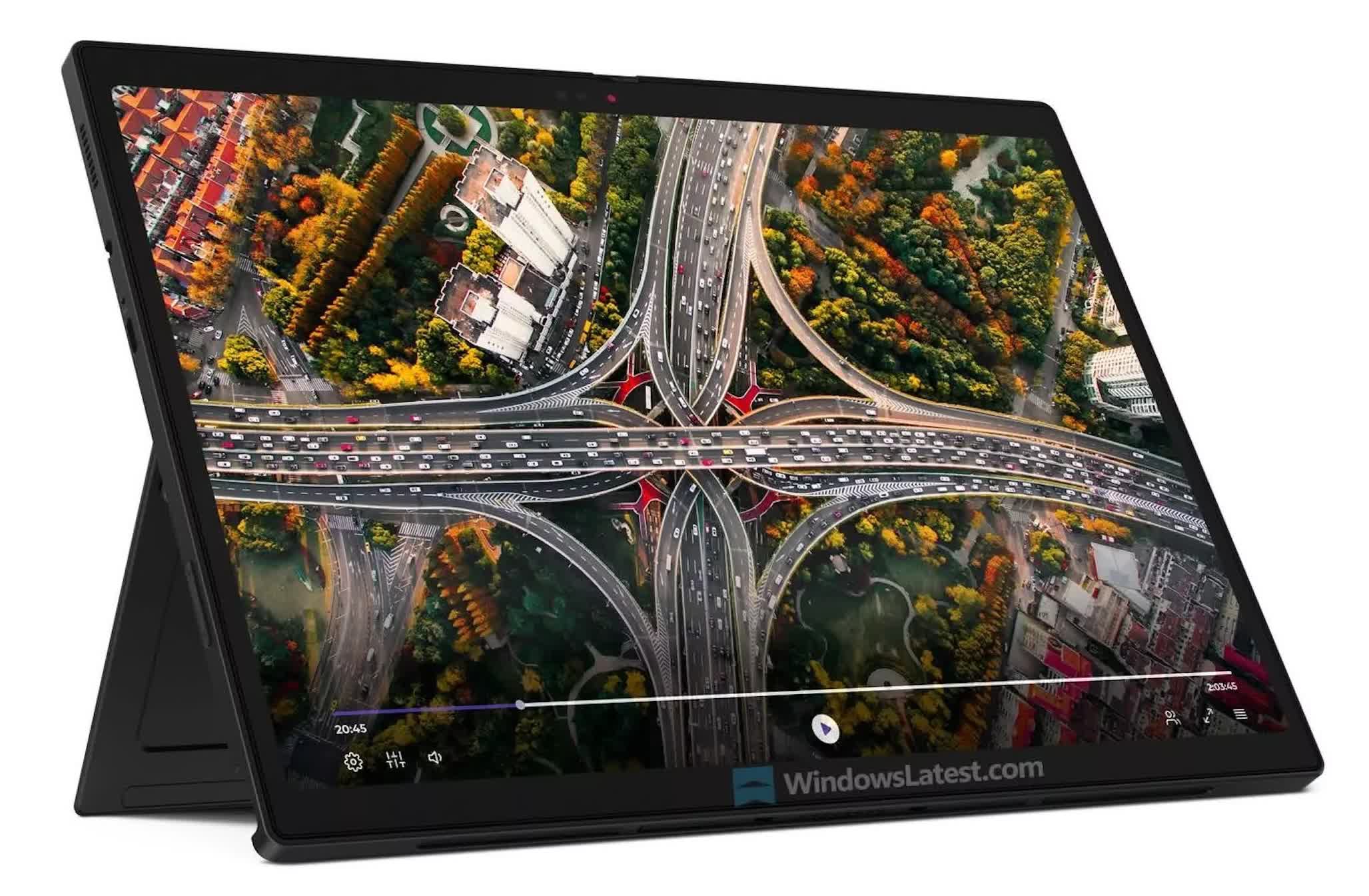
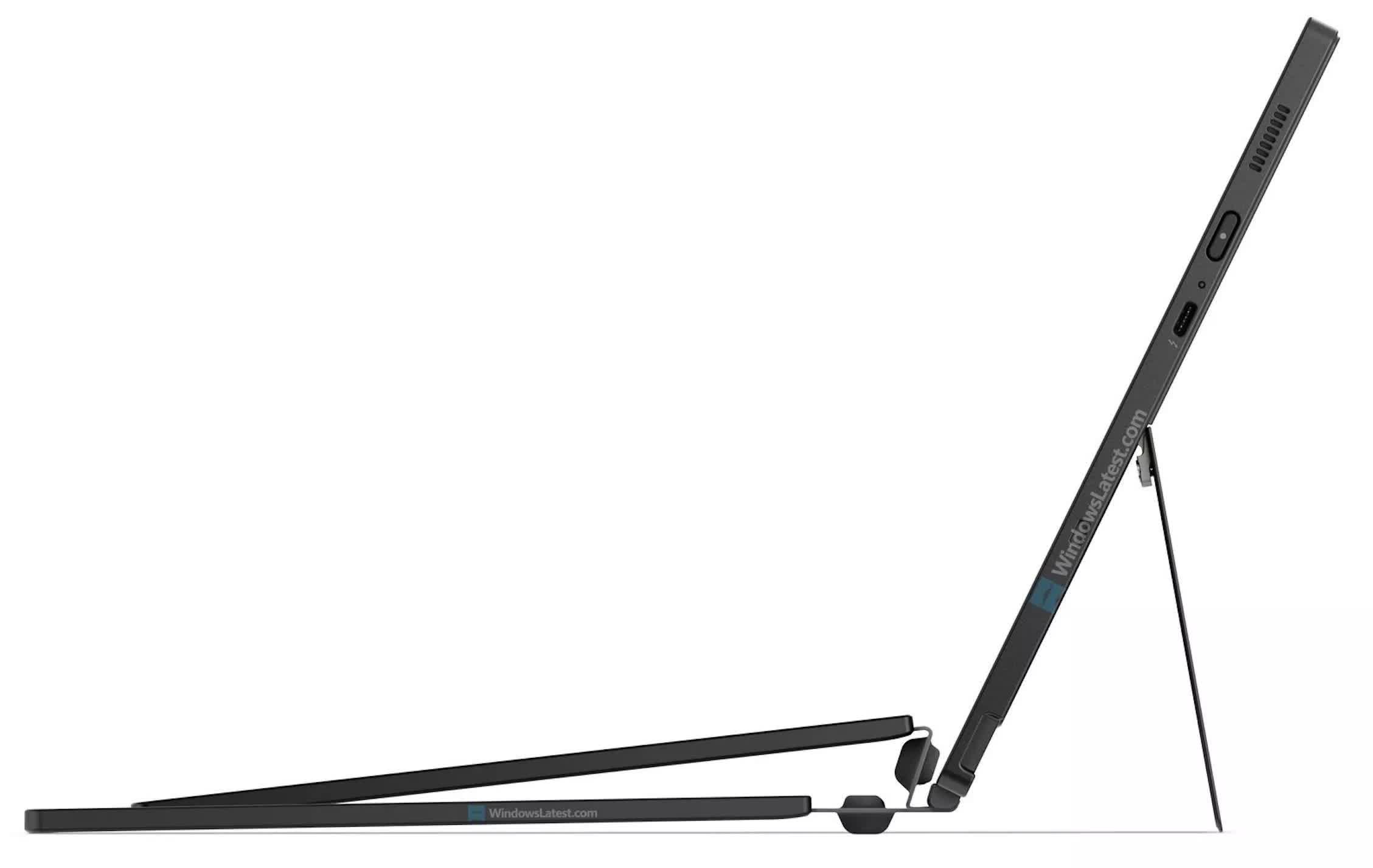
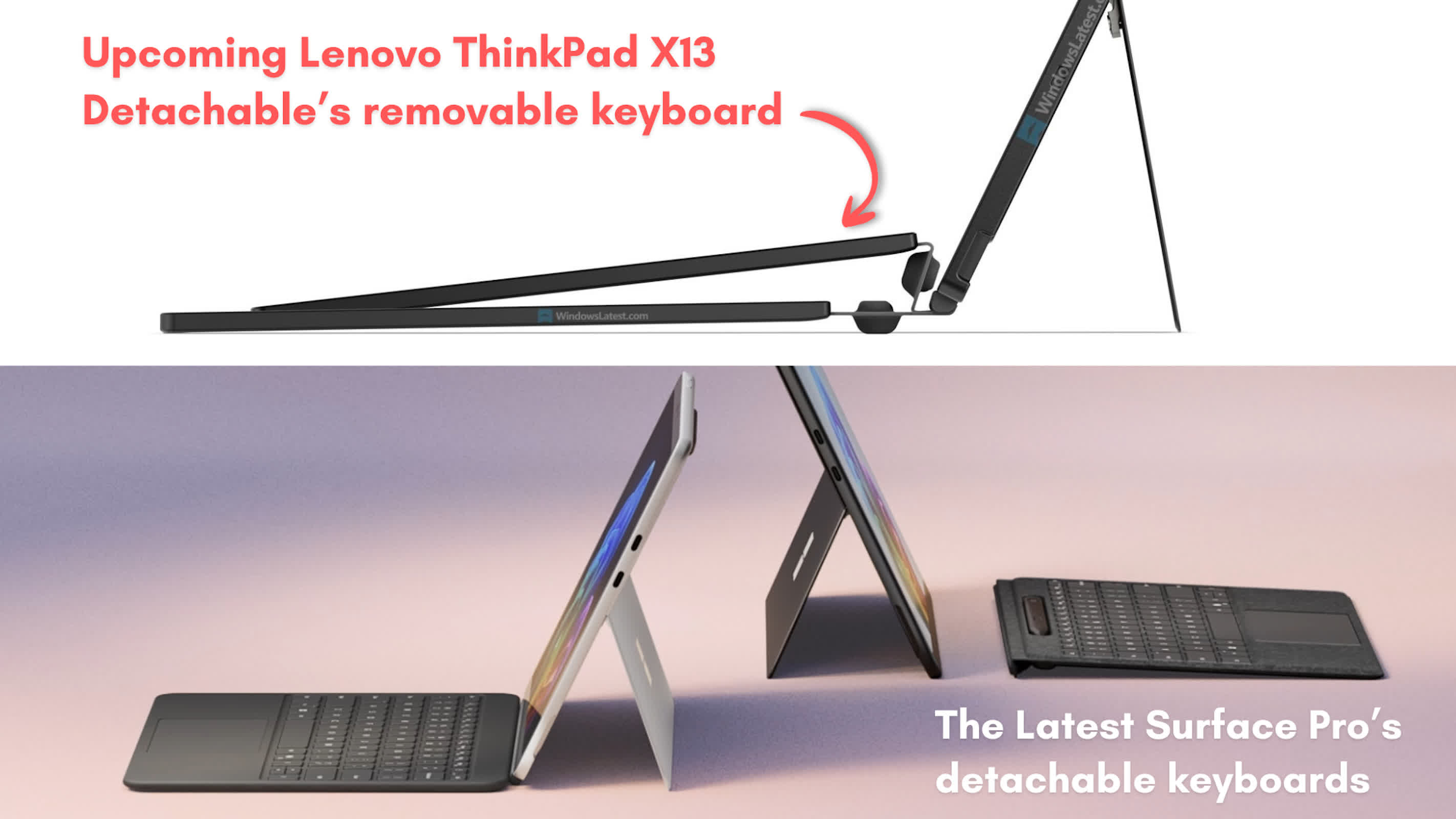
The keyboard, which attaches magnetically to the tablet's lower edge, continues Lenovo's commitment to functional minimalism while introducing an unusual tilt mechanism that sets it apart from Microsoft's Surface Pro.
According to sources, this design could address long-standing "lapability" issues – the discomfort and wobble users often experience when typing on kickstand devices while on their knees. Where many rival detachables dig into the lap, the X13's flatter base may provide greater stability for mobile professionals.
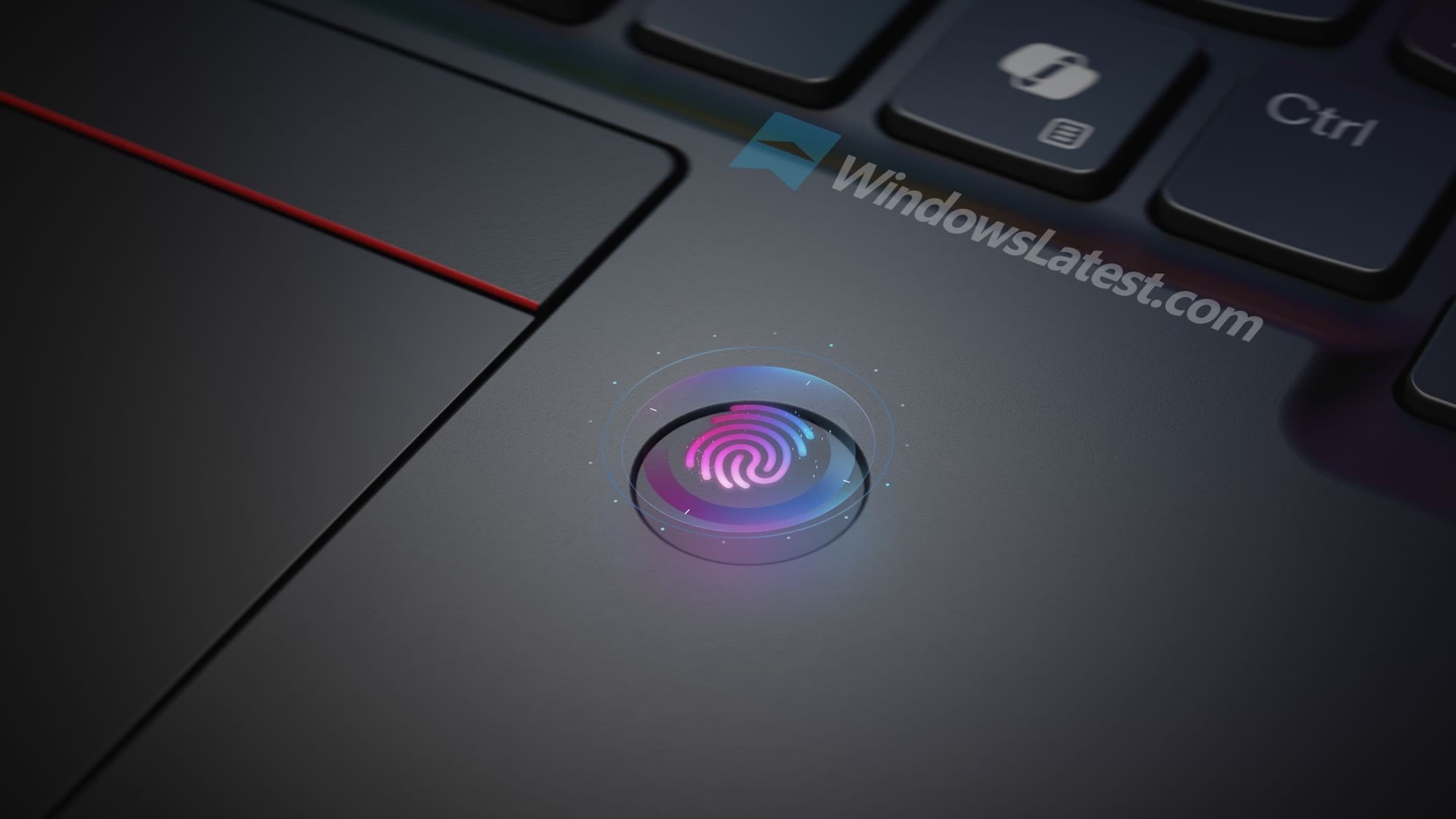
The keyboard deck retains signature ThinkPad elements, including the red TrackPoint and three dedicated buttons. It also features a round fingerprint sensor compatible with Windows Hello, along with a front-facing camera equipped with a mechanical privacy shutter.
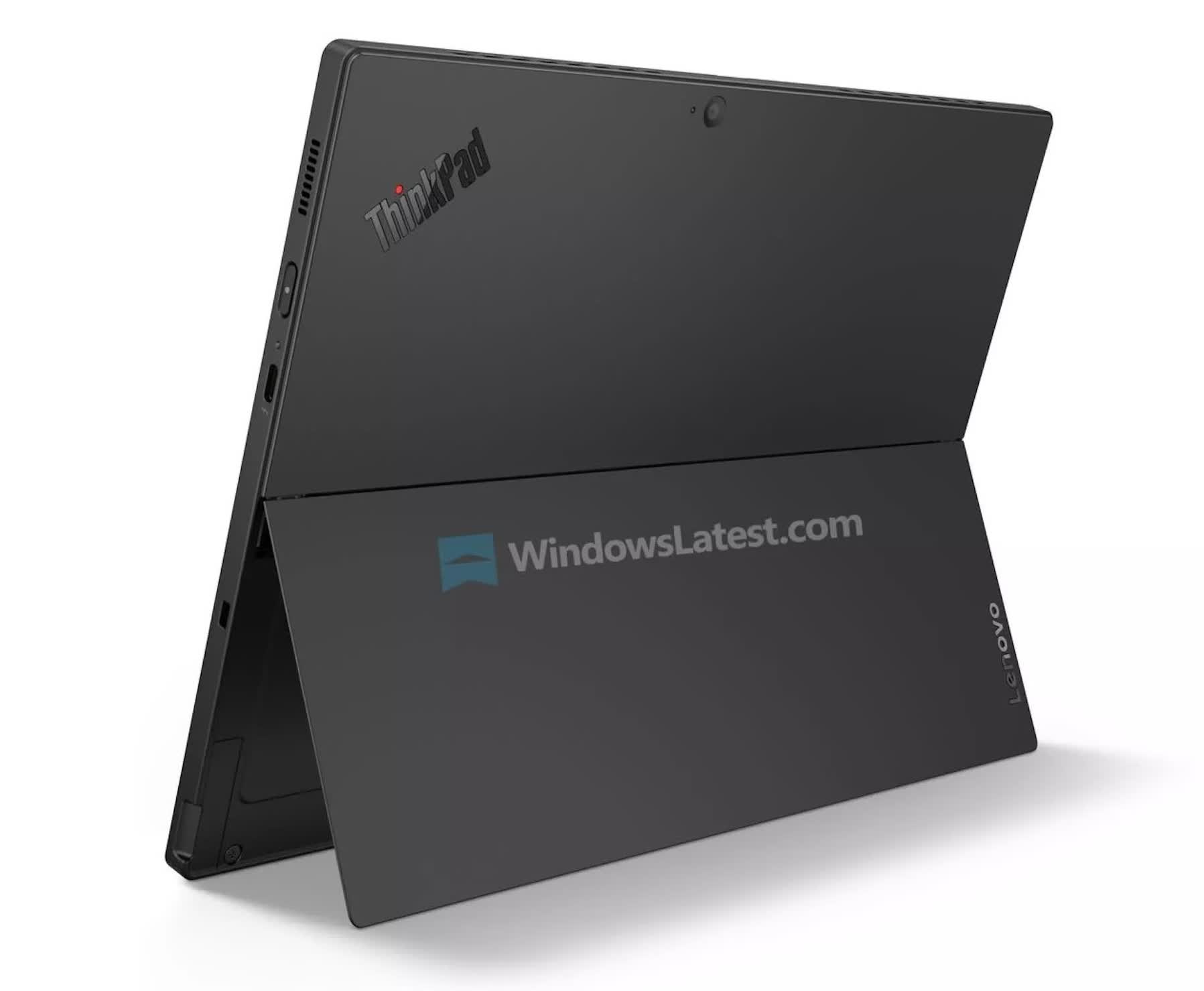
While Lenovo has yet to confirm specifics, insiders expect the imaging system to follow the broader ThinkPad trend with a 10-megapixel front camera, doubling the X12's 5MP sensor.
Under the hood, the tablet hints at significant architectural changes. Although Lenovo has not released official specifications, industry patterns suggest it could feature Intel's next-generation Panther Lake CPUs with vPro support.
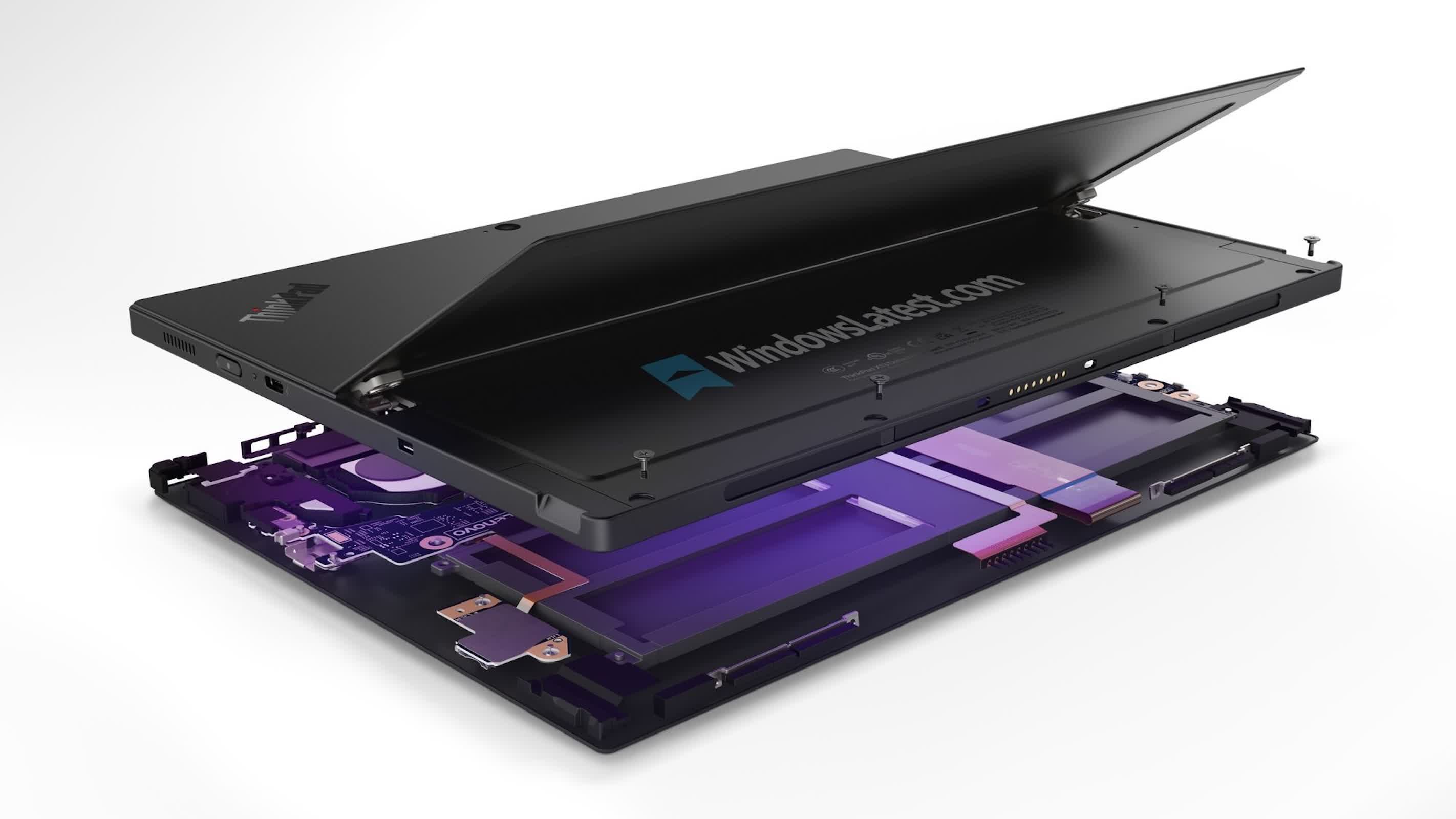
These chips, designed for improved power efficiency, may finally address one of the X12's weaknesses: its modest 42 Whr battery. Thermal management also appears to have been reworked, with visible ventilation and a compact cooling fan near the top edge indicating enhanced airflow compared to previous designs.
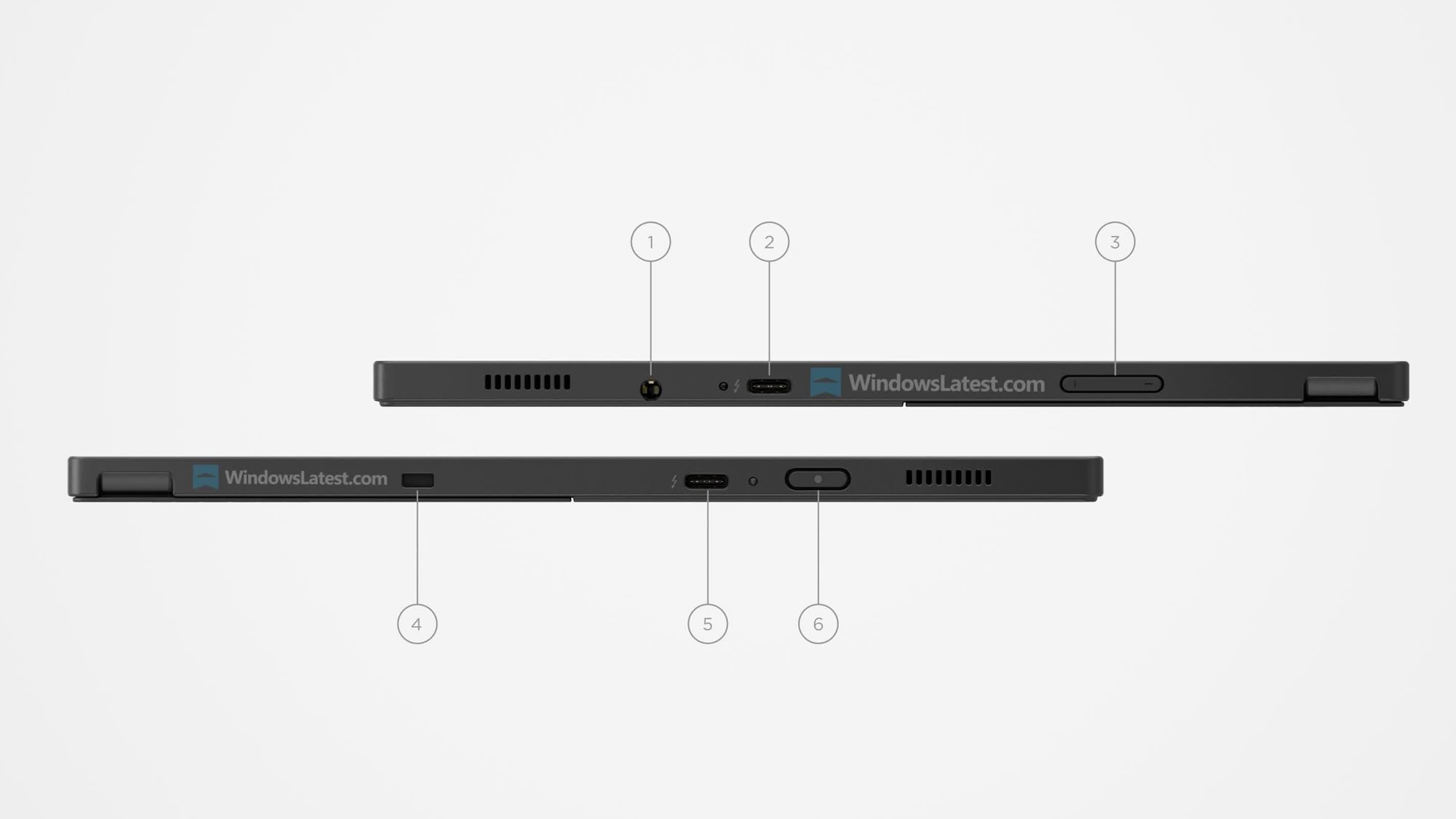
Lenovo also appears to be prioritizing practical connectivity. Each side of the tablet features a USB-C port marked with a lightning symbol, indicating Thunderbolt 4 support and allowing charging from either side.
Additional elements include an audio jack, volume rocker, power button, Kensington lock slot, and symmetrical speaker grilles. Four screws along the keyboard's underside suggest serviceability – a rare concession in the detachable PC space, where sealed designs often limit user maintenance.
Lenovo's original ThinkPad X12 Detachable, unveiled at CES 2021, was widely regarded as one of the most rugged Surface-style tablets available. Its successors refined that formula while maintaining ThinkPad's reputation for reliability. Now, with the X13, Lenovo seems poised to achieve parity – or even leadership – in a hybrid category long dominated by Microsoft.
Lenovo has not disclosed pricing or regional availability, but industry observers expect the X13 to remain in line with previous models. The 2024 ThinkPad X12 Gen 2 Detachable, featuring an Intel Core Ultra 7 164U processor, retailed for around $2,000 in enterprise configurations. The X13 is likely to occupy a similar price range.
Image credit: Windows Latest