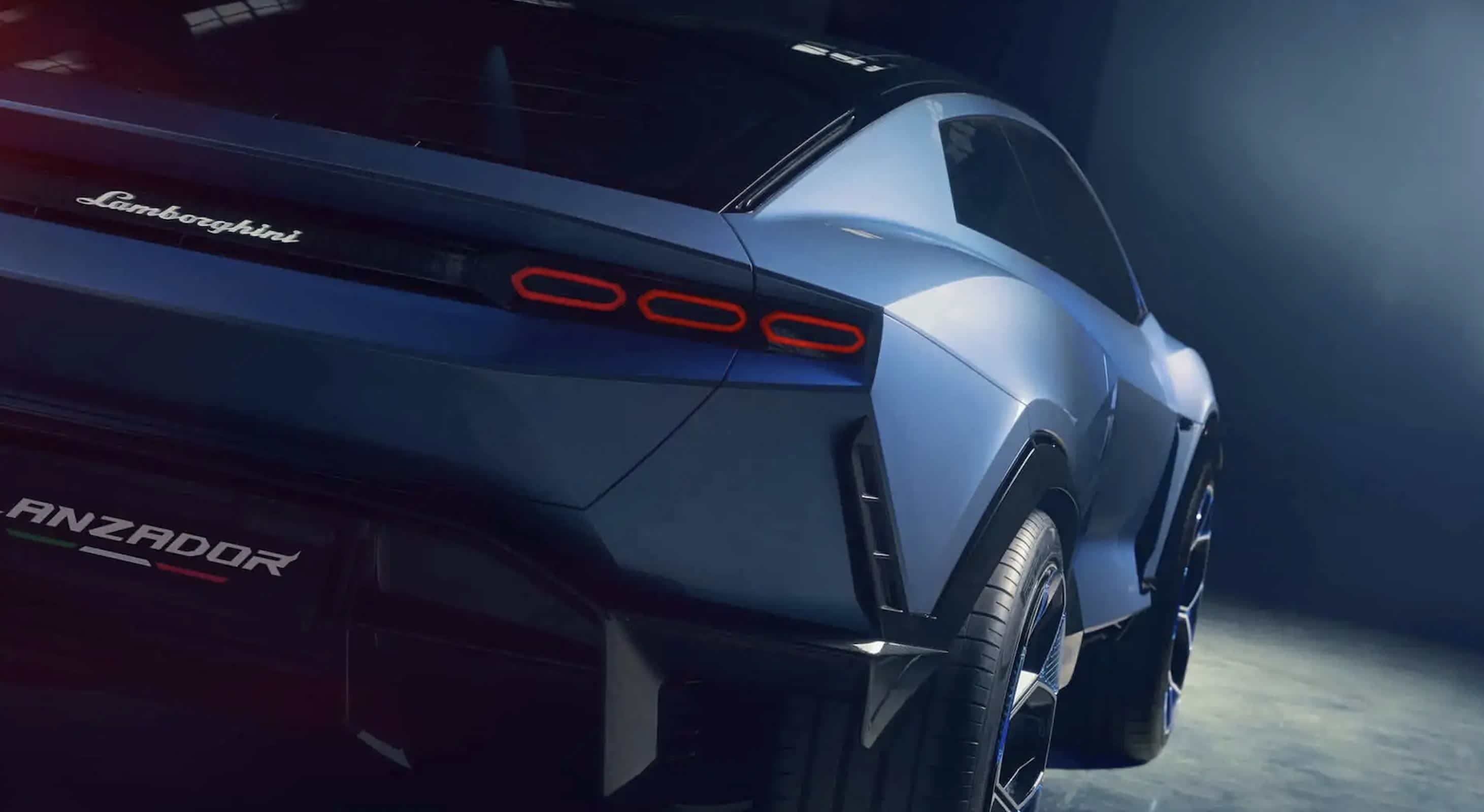
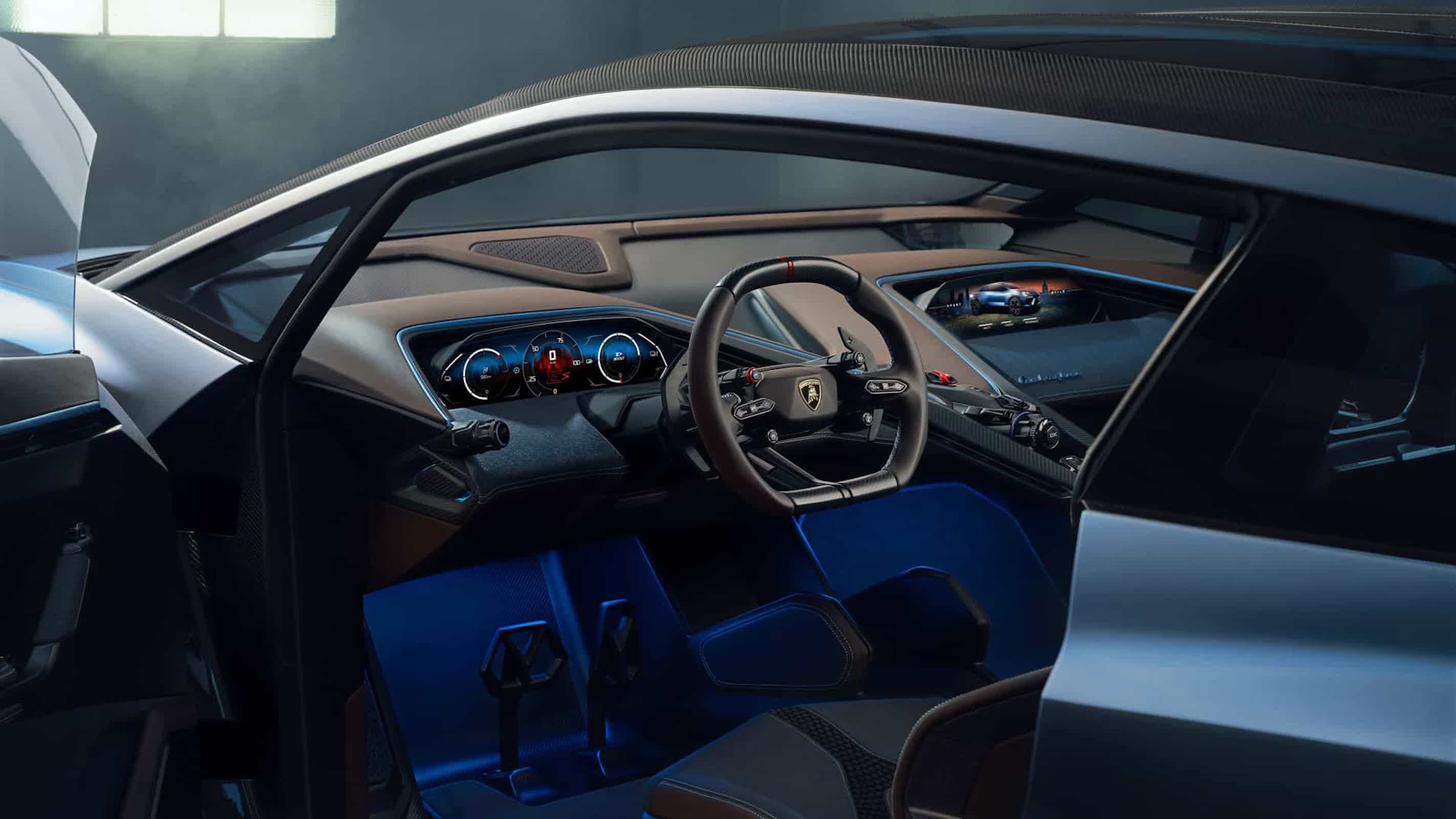
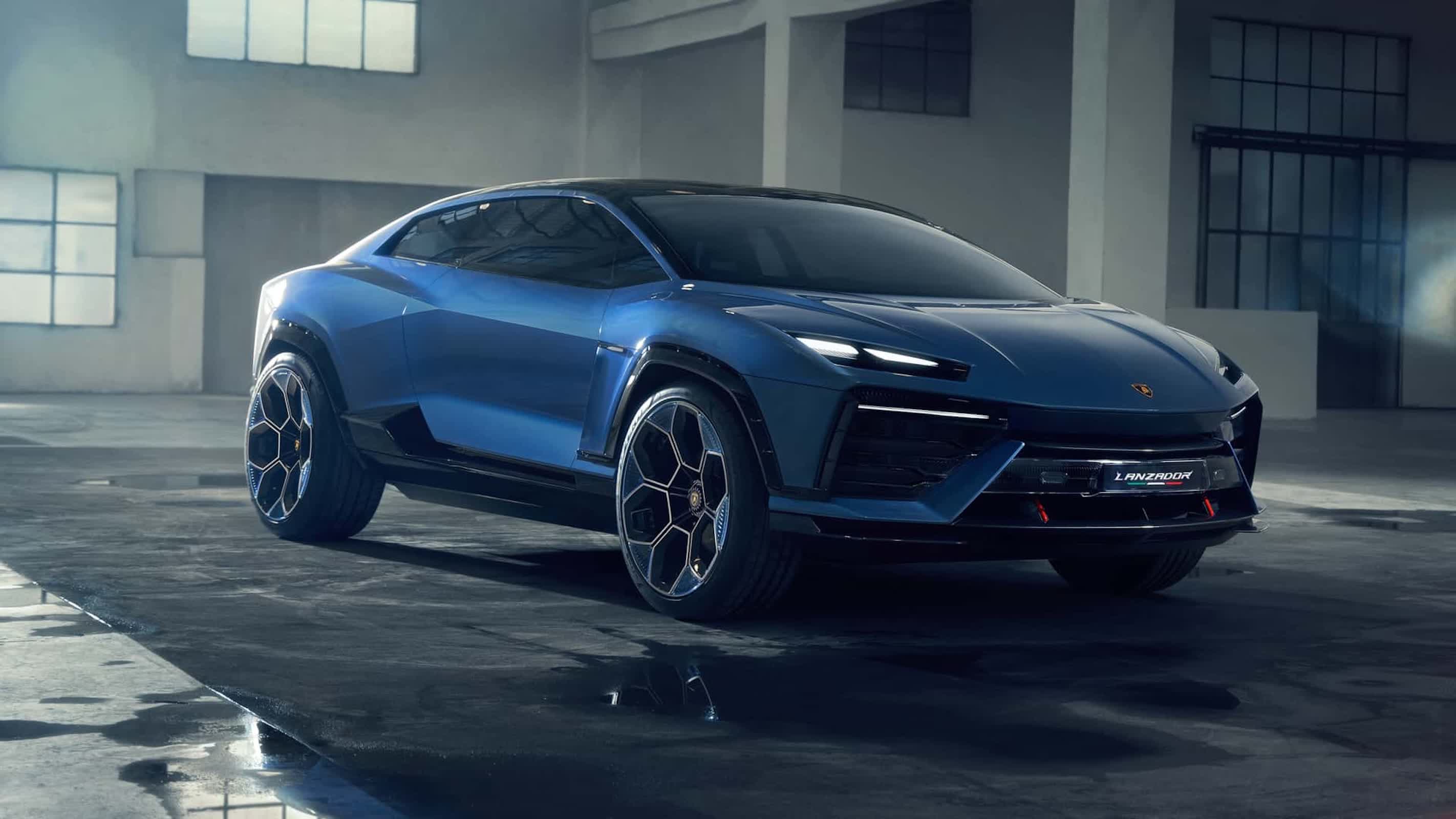
In a nutshell: When Lamborghini unveiled the Lanzador concept in 2023, it was presented as a bold experiment – a vision of how the company might translate the soul of an Italian supercar into electric form. Three years later, that future has been scrapped. The automaker has confirmed it will no longer move forward with the all-electric model, citing a lack of customer interest and poor financial return on investment.
The decision comes after internal debate stretching more than a year, according to CEO Stephan Winkelmann. Market testing and dealer consultations showed that Lamborghini's core buyers, many of whom collect combustion-powered models for their mechanical character and sensory appeal, had little enthusiasm for a sleek grand tourer without a V8 or V12.
Winkelmann told The Sunday Times that enthusiasm for a battery-powered Lamborghini was "close to zero."
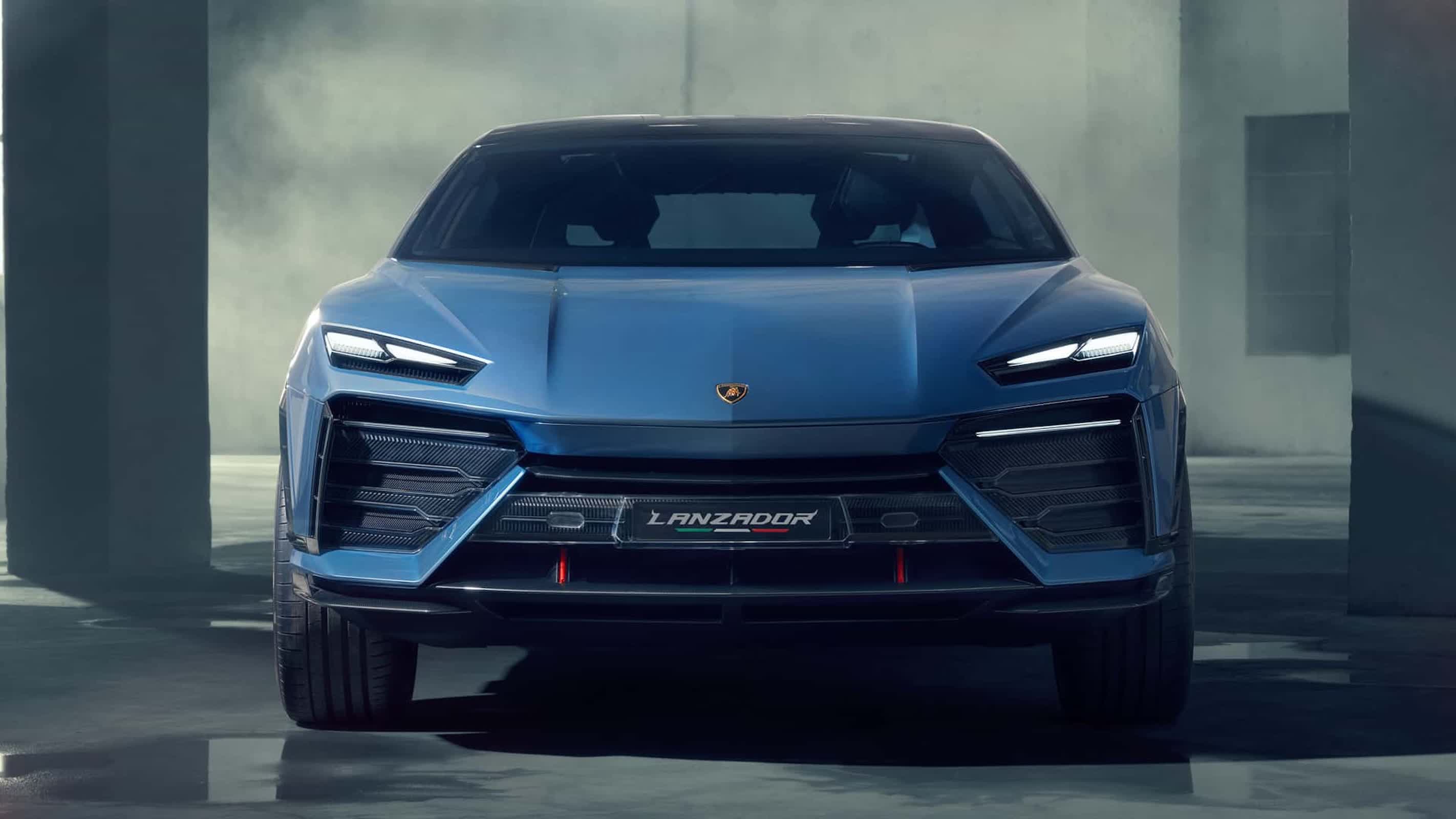
From a business standpoint, the numbers didn't add up. Developing an electric powertrain custom-engineered for the brand's performance standards would require a significant investment in R&D and the supply chain, costs that Lamborghini deemed "an expensive hobby" in the face of uncertain returns.
Yet the technology underlying the project will not vanish. Lamborghini now plans to adapt the vehicle's architecture into a plug-in hybrid, which will pair a gas engine with a performance-oriented electric motor setup. The approach echoes that of the upcoming Urus, the company's flagship SUV, which will also remain hybrid-only in its next generation.
The pivot underscores a growing divide in the high-performance car market.
While the broader automotive industry moves toward rapid electrification, aided by tightening EU regulations that will require a 90% cut in CO2 emissions by 2035 relative to 2021 levels, ultra-luxury brands face a customer base resistant to the loss of mechanical character and driving drama.
Winkelmann argues that electric propulsion, though efficient, has yet to evoke what he calls an "emotional connection." In his view, hybridization provides a transitional path, allowing Lamborghini to satisfy tightening emission standards without alienating its clientele.
Competitors are taking a different approach. Ferrari plans to launch its first fully electric vehicle, the Luce, in May, describing it as "completely different" from existing models. Bentley, another VW-owned marque, will debut its battery-only car later this year, betting that its luxury buyers are prepared to make the leap.
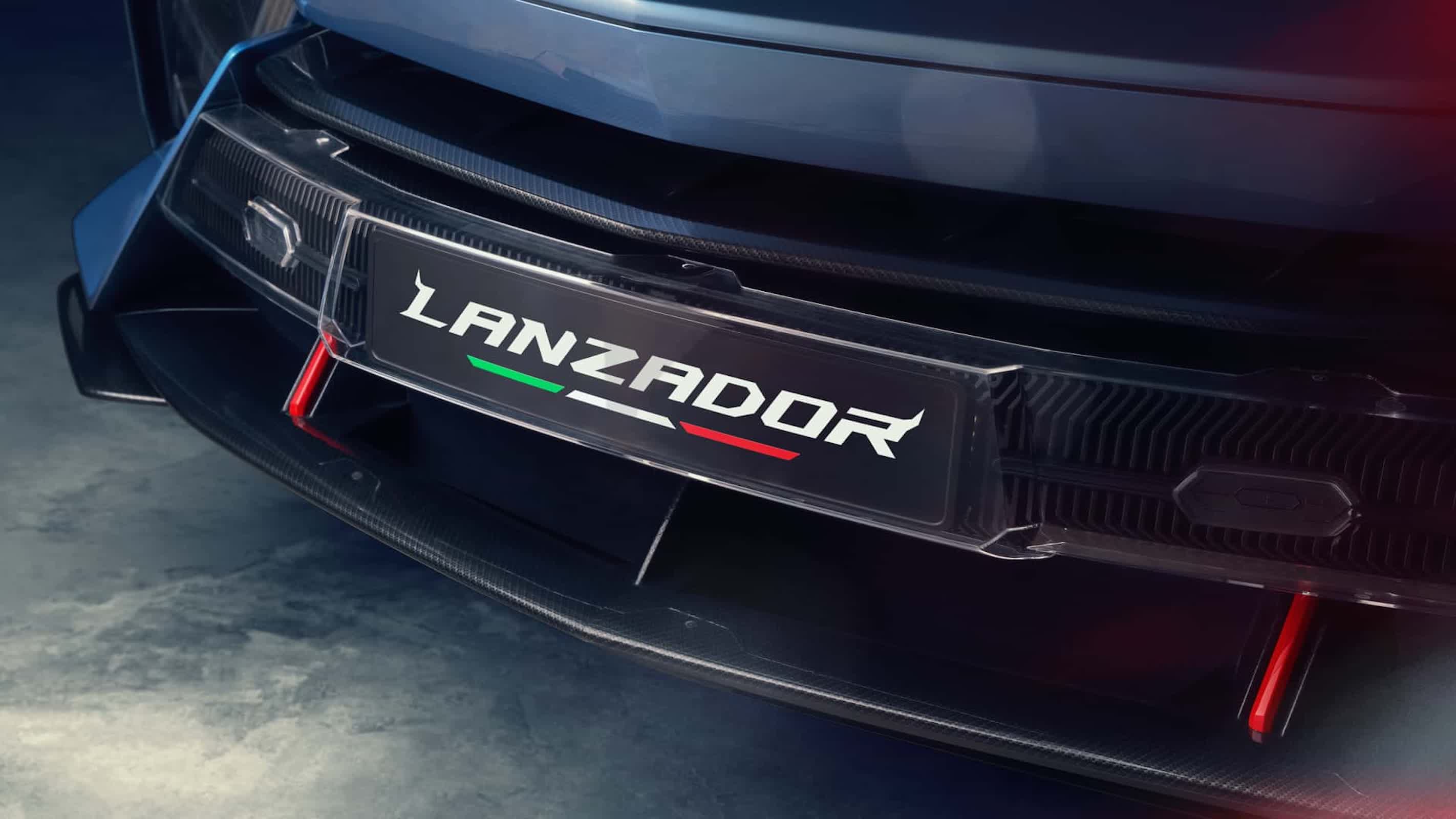
For now, Lamborghini believes hybridization: combining compact internal combustion with electric torque assistance, offers the best balance between regulatory compliance and brand identity. Whether that will be enough to carry the brand through Europe's tightening emissions landscape remains an open question.