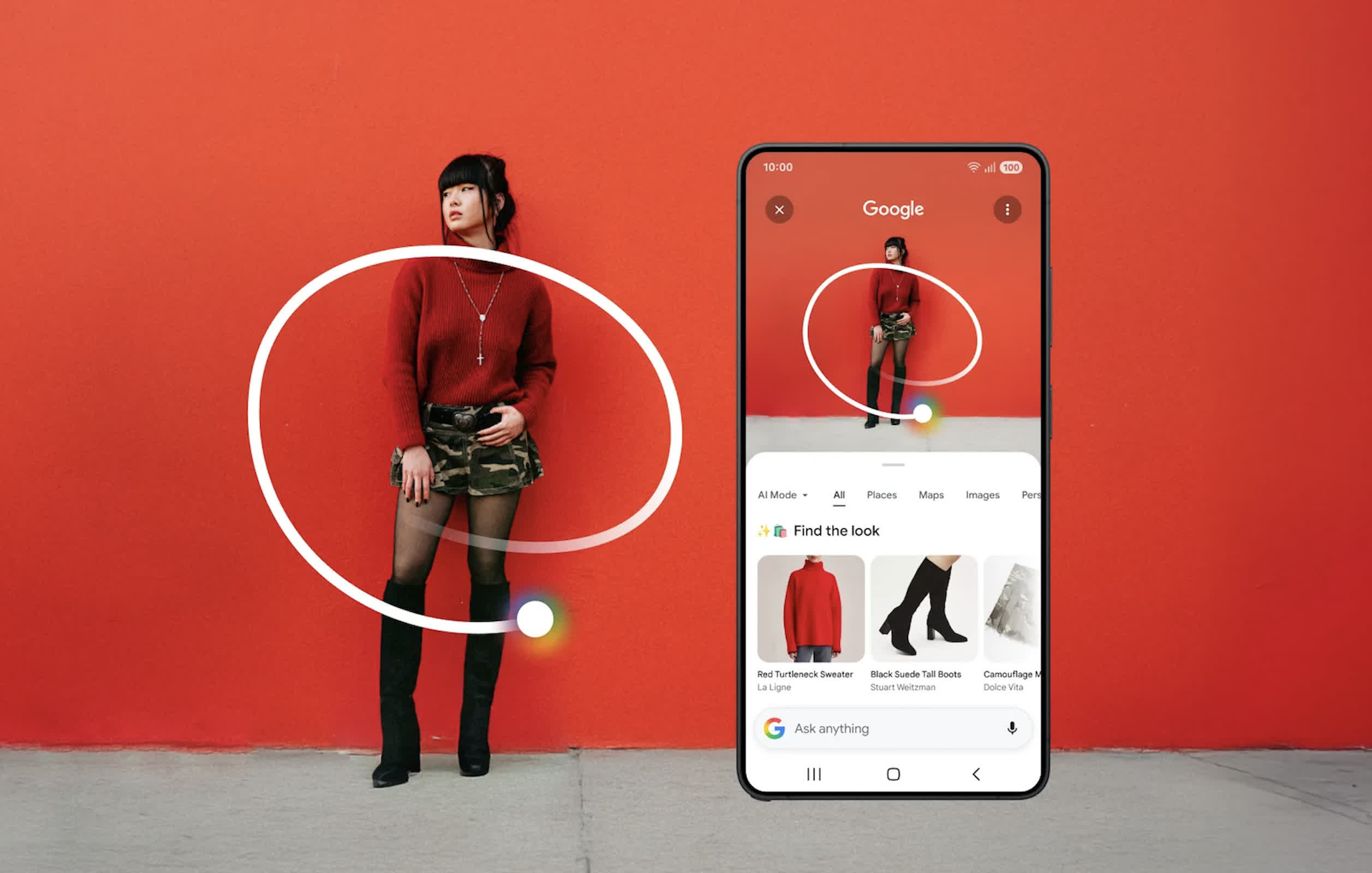
What just happened? Google's latest step in mobile AI has little to do with chatbots and everything to do with execution. With a new wave of agentic capabilities rolling out first to the Pixel 10 series and Samsung's Galaxy S26 line, Gemini is evolving into an assistant that acts instead of just answering.
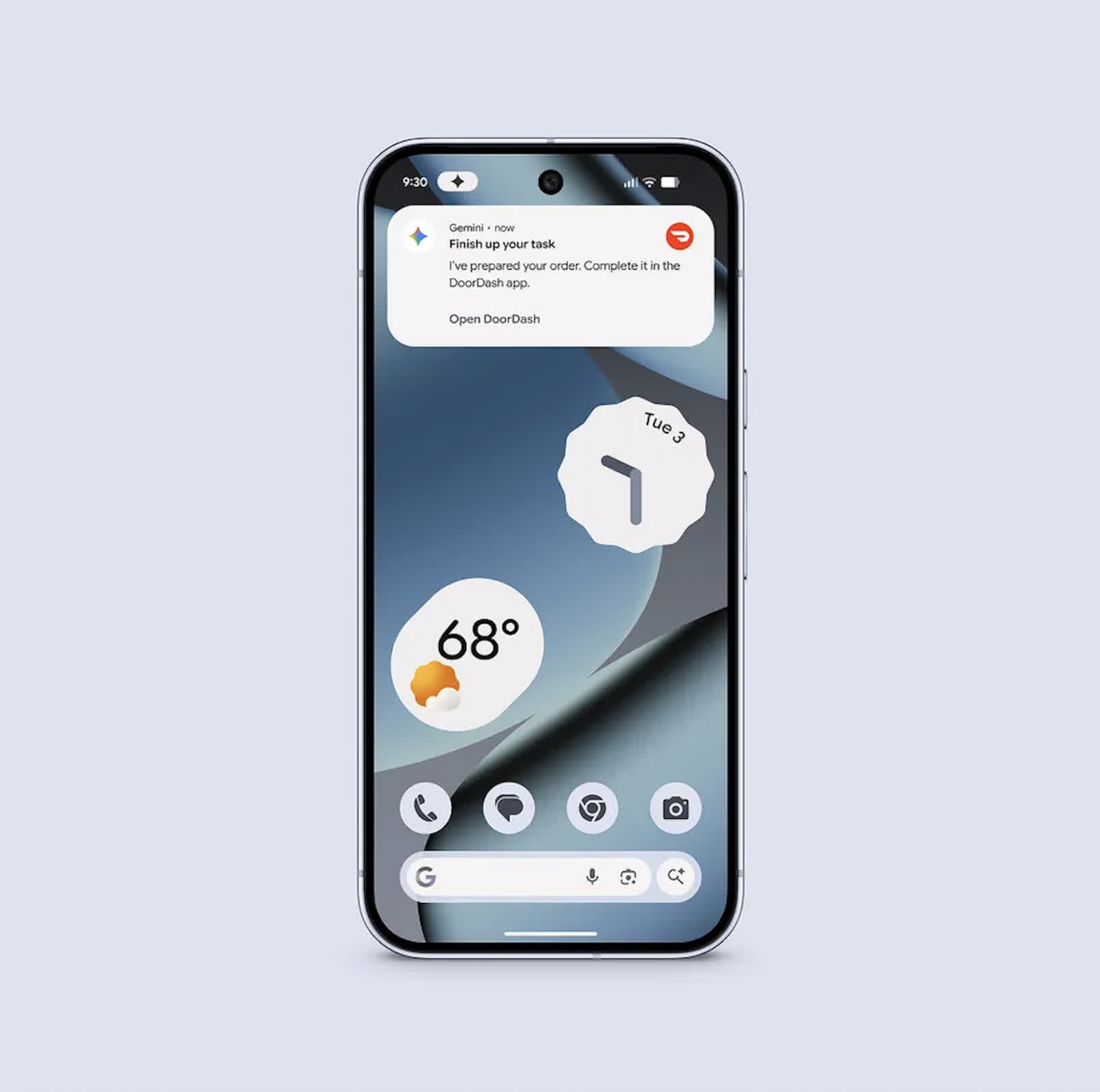
The feature set, now entering beta, allows Gemini to coordinate complex tasks directly on Android devices. That means taking cues from conversations, parsing the context of a screen, and performing real-world actions – such as placing food orders or booking rides – within third-party apps. It's the same territory Apple outlined for Siri nearly two years ago, but which has yet to materialize beyond demonstration videos.
At Google's launch event, Sameer Samat, president of Android, showcased a recorded demonstration of the system in action. In the demo, Gemini monitored a lively group chat in which family members were deciding what to eat. When prompted, the assistant synthesized the conversation, identified preferences, and initiated the order through Grubhub. The user then reviewed the order and confirmed it manually, keeping one human checkpoint in the loop.
While the scenario looked mundane, the underlying technology hints at a shift in how smartphones mediate interactions between users and their apps. Gemini's capacity to understand conversational context, engage with multiple apps, and navigate them autonomously extends recent Google efforts to make AI a background operator rather than a front-end novelty.
The company recently introduced AI-assisted browsing in Chrome, and bringing similar autonomy to Android completes the next logical step: embedding an intelligent agent across the system layer.
The timing of Google's rollout also sharpens its rivalry with Apple. Cupertino's 2024 WWDC presentation introduced Apple Intelligence features that would let Siri interpret on-screen information, execute multi-app tasks, and respond to personal context – such as locating flight details from an email – yet none of those capabilities have shipped.
Following delays announced in early 2025 and Bloomberg's reporting that some elements may slip to iOS 27, Apple's ambitious plan remains largely theoretical. Google, meanwhile, is about to ship a working prototype.
Execution will determine whether Gemini's leap forward proves meaningful. The tools are launching in beta, and Google acknowledges there could be friction points. Not every third-party developer may allow Gemini to navigate their apps on users' behalf – a challenge often referred to as the "DoorDash problem," in which automation butts against business models that rely on native user interaction. For now, Google says the assistant will operate within a limited set of food delivery and rideshare apps.
Whether that constraint limits adoption or marks the beginning of a broader ecosystem integration remains to be seen. But if Google's demo translates smoothly to consumer devices, it could redefine how mobile AI agents interact with the app-driven internet.