
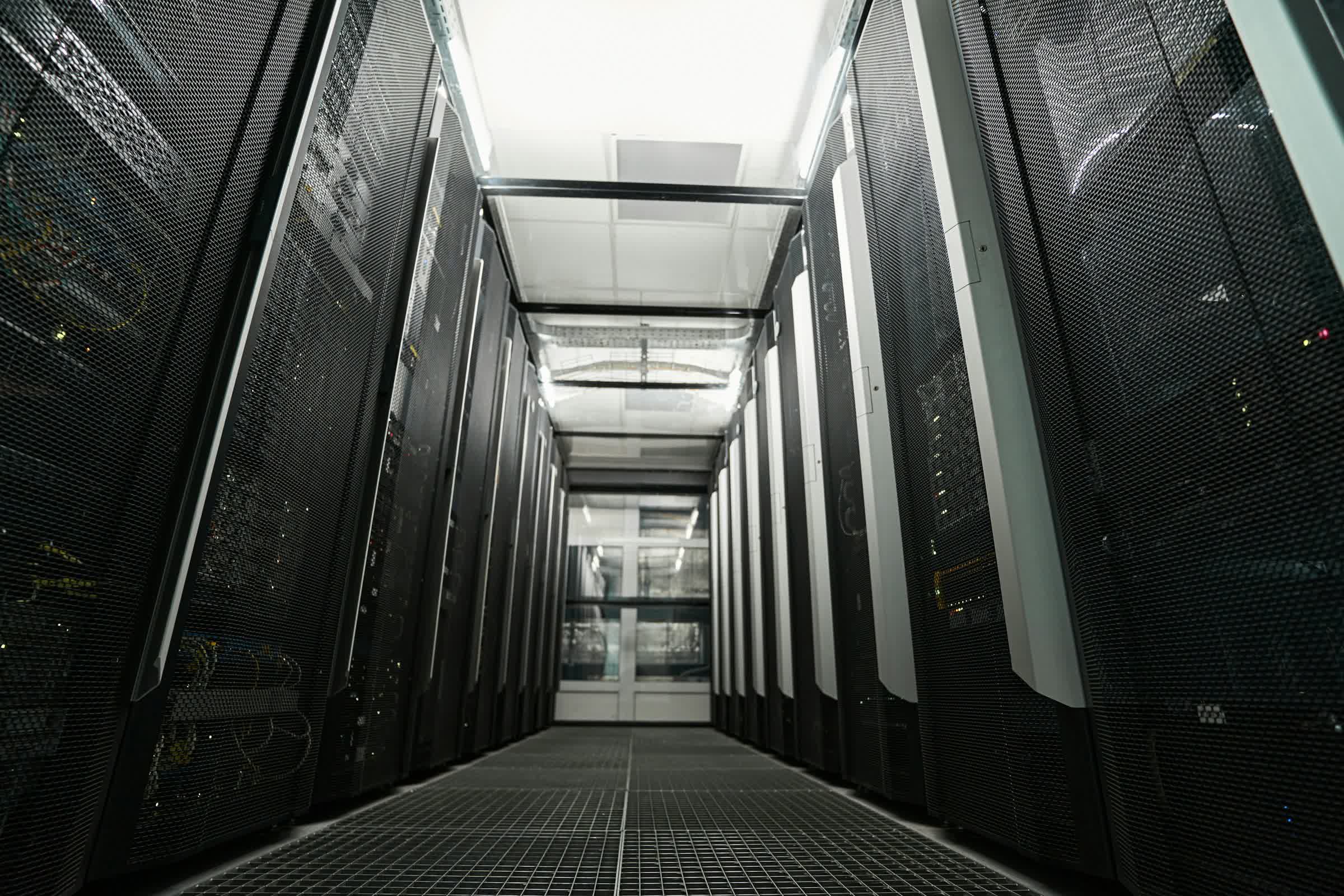
First look: In a flat stretch of southeastern Minnesota, Google is building what may become one of its most technologically ambitious data centers yet – one designed to run almost entirely on renewable power. The Pine Island facility pairs nearly two gigawatts of clean energy generation with an innovative form of long-duration battery storage that literally runs on rust.
The data center – Google's first in Minnesota – will draw on 1.9 gigawatts of carbon-free electricity from wind and solar infrastructure co-developed with utility giant Xcel Energy. Powering a data center around the clock with renewable energy remains a persistent industry challenge, and Google's solution relies on Form Energy's experimental iron-air battery system, capable of storing up to 30 gigawatt-hours of electricity for as long as 100 hours.
Form Energy's technology departs significantly from the lithium-ion standard found in everything from smartphones to grid-scale batteries. Instead of moving lithium ions through electrolytes, the iron-air process stores energy through a reversible rusting reaction.
When electricity demand arises, oxygen from the air oxidizes tiny iron pellets, creating iron oxide and releasing electrons, effectively discharging the battery. Recharging reverses the reaction, stripping oxygen away and converting rusted iron back to its metallic form.
Though less energy-efficient than lithium-ion batteries – round-trip efficiencies are between 50% and 70%, compared to over 90% for lithium-ion – iron-air cells offer two major advantages: cost and duration. Estimates suggest a storage cost of around $20 per kilowatt-hour, roughly one-third the price of equivalent lithium systems. That trade-off makes the technology particularly well-suited for stabilizing renewable-heavy grids, where maintaining supply over multi-day intervals can matter more than efficiency.
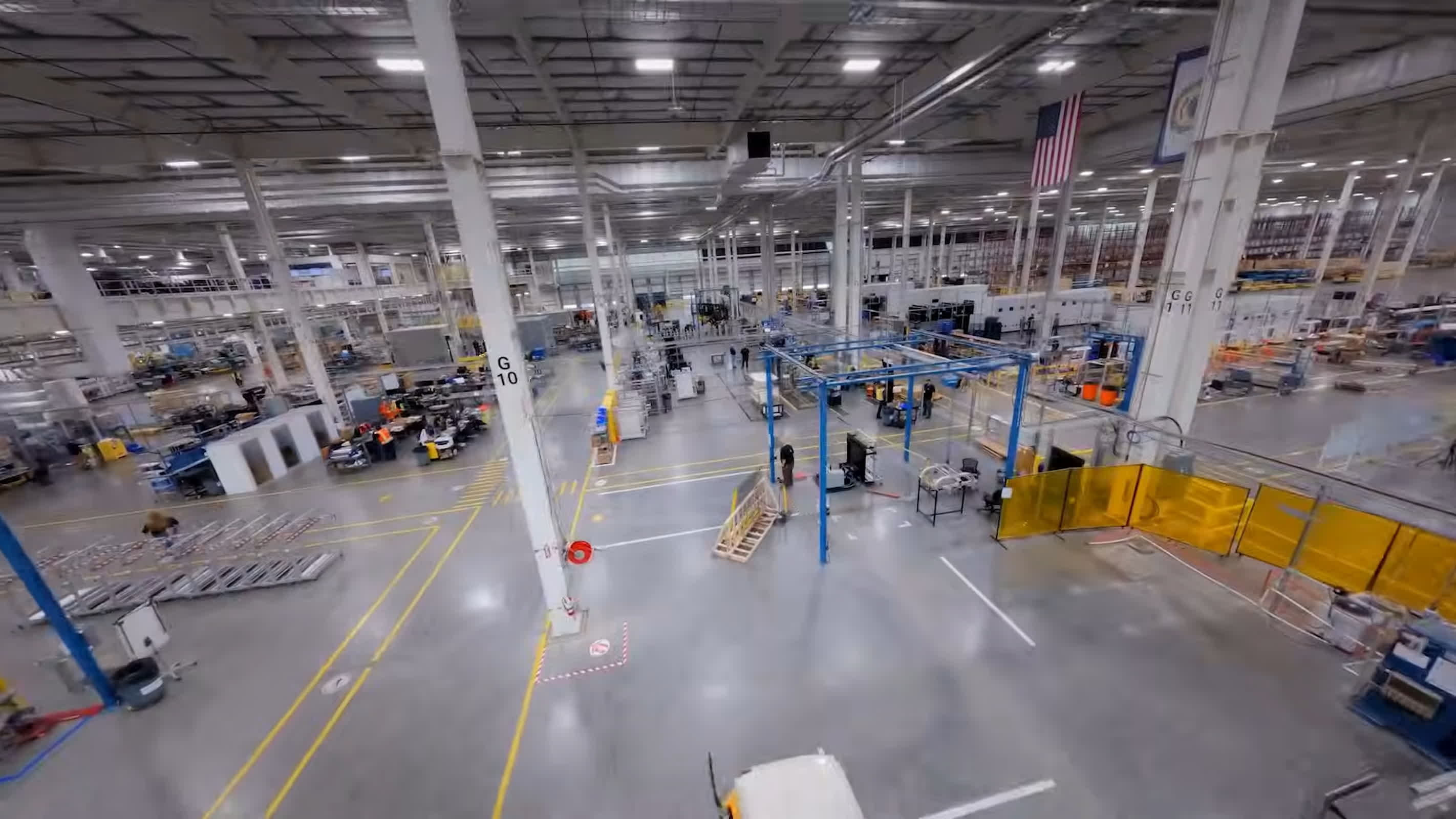
Minnesota is already serving as a testbed for the approach. A smaller Form Energy installation with Great River Energy, currently being assembled in the state, will store 150 MWh and can deliver up to 1.5 MW for as long as 100 hours. Google's Pine Island deployment scales that concept by several orders of magnitude.
Beyond the technology, Google's project also introduces a policy innovation: a new utility rate structure meant to accelerate clean energy investment. Called the Clean Energy Accelerator Charge (CEAC), the mechanism builds on the company's earlier Clean Transition Tariff model used in Nevada with NV Energy.
Under CEAC, Google commits $50 million to Xcel Energy's Capacity Connect program, aimed at distributed storage – deploying smaller batteries across the grid to improve reliability and balance intermittent supply. The structure is designed to enable utilities to fast-track clean power development without violating regulatory price constraints or passing additional costs on to residential customers.
Google says the collaboration demonstrates how large-scale consumers can work with utilities to deepen renewable penetration while advancing storage innovation. For Minnesota, it marks a new model of industrial power sourcing – one in which rust, rather than fossil fuel, could keep the cloud running through still and sunless days.