In context: Regulators and lawmakers have scrutinized loot boxes in popular video games for years, most recently accusing Valve of illegal gambling in Counter-Strike 2, Dota 2, and Team Fortress 2. The latest move by European age rating boards has been to assign higher, more informative ratings for games that feature loot boxes and other controversial live-service gameplay elements.
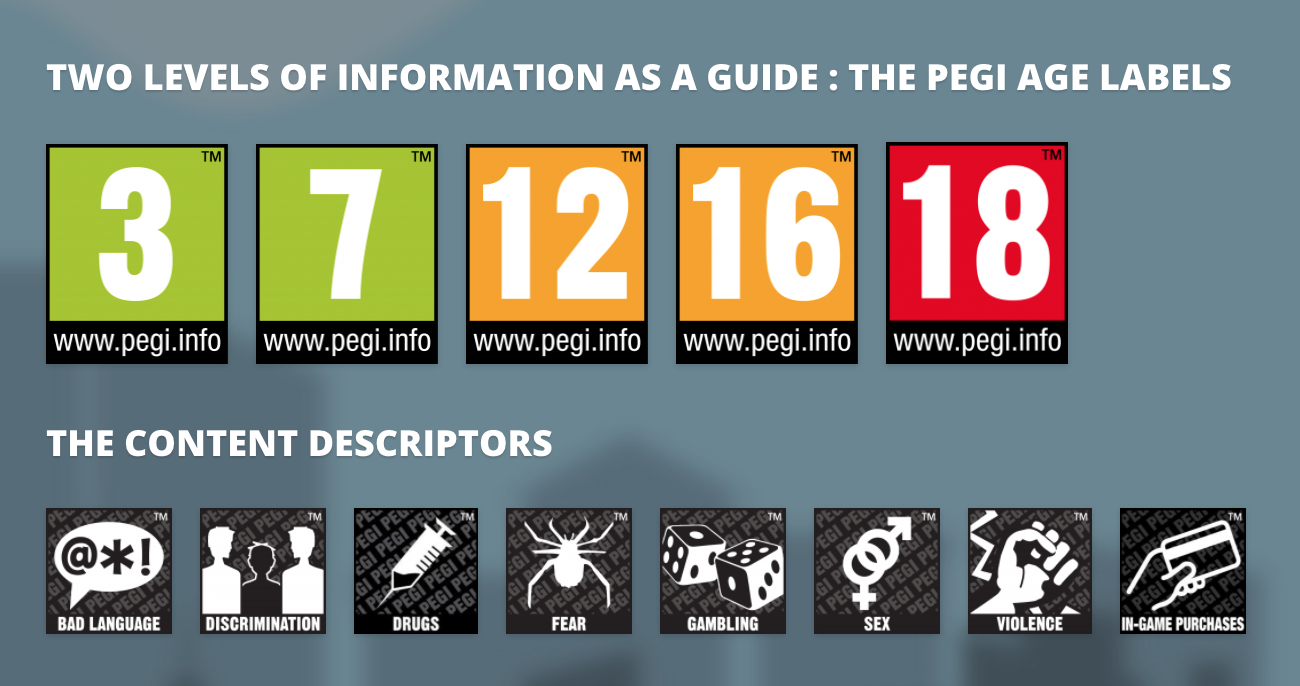
Starting in June, the Pan-European Game Information (PEGI) age rating system, Europe's equivalent to the ESRB, will begin assigning PEGI-16 ratings to all games that sell random items. Furthermore, microtransactions will earn an automatic PEGI-12 rating, and NFTs or other blockchain-related items will be rated PEGI-18.
The ratings board also announced that loot boxes can earn a PEGI-18 rating in some cases without specifying further. An 18 rating can also occur if a game supports online chat without the ability to block or report players. Meanwhile, encouraging players to return to games periodically (e.g., for daily quests) will earn a 7 rating, and penalizing them for not returning will result in a 12 rating.
PEGI made no secret of its aim to emulate changes implemented by the German Unterhaltungssoftware Selbstkontrolle (USK) rating system in 2023. However, PEGI's version is slightly harsher.
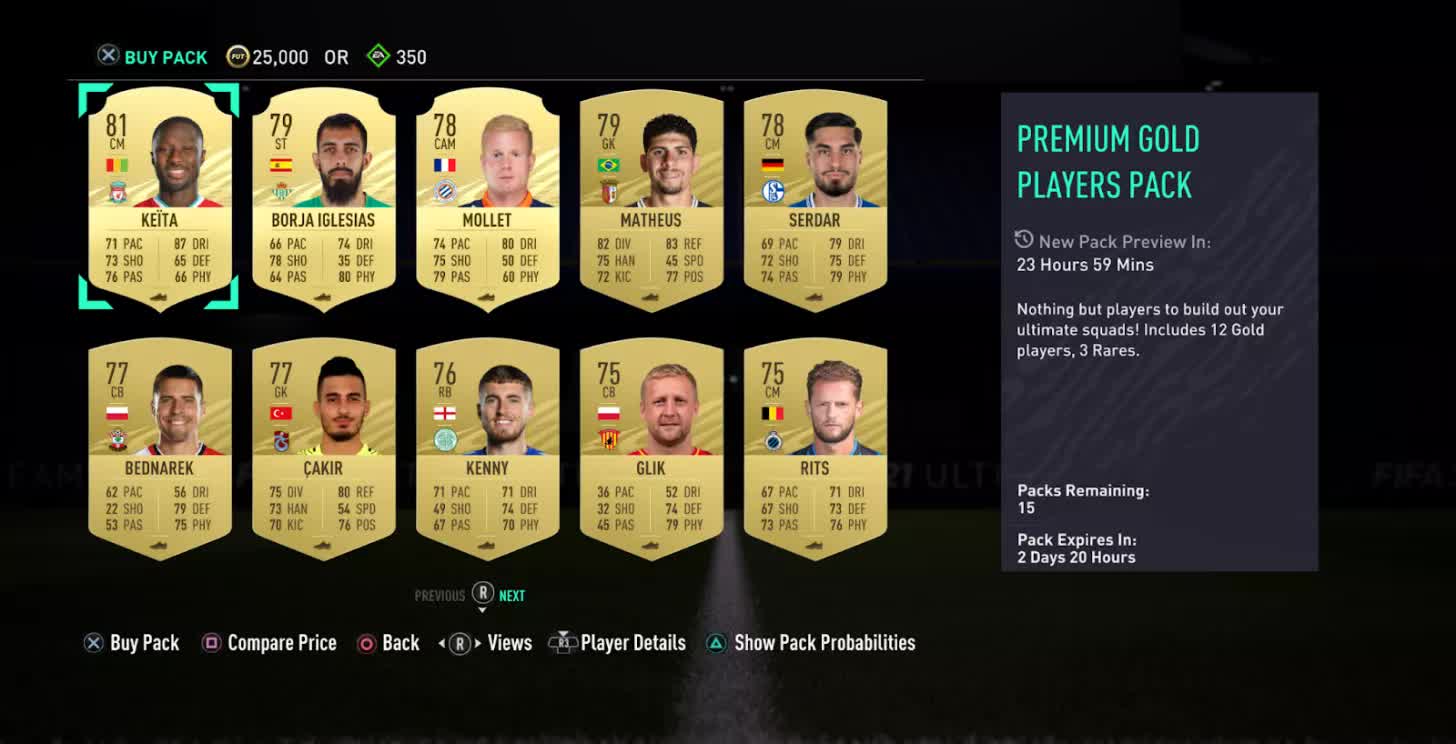
EA Sports FC is likely among the franchises that will see the most significant changes in its PEGI rating under the new system. EA Sports FC 26 currently carries a PEGI-3 rating, with in-game purchases and random items as its sole descriptors. The game's USK rating suggests that EA Sports FC 27 will earn a PEGI-16 rating due to its inclusion of microtransactions, loot boxes, and other live-service mechanics.
FIFA 23, released in 2022 before the current USK system came into force, received a USK 0 rating. The following year, EA Sports FC 24 earned a USK-12 solely due to its support for in-game chat. While EA Sports FC 25 and 26 display the same rating, they also carry warnings for advertising in-game content, pressuring players to continue playing or return periodically, microtransactions, and loot boxes.

Whether the ESRB plans to make similar changes remains unclear. The American ratings board's policy toward loot boxes resembles PEGI's current system. EA Sports FC 26 carries an ESRB E for Everyone rating with random item purchases as the only descriptor.
Although games that include loot boxes have thus far avoided gambling-related regulations in the US, Valve currently faces a potentially serious lawsuit in New York, which interprets the law differently than in many other states. Unlike loot boxes in games such as EA Sports FC, random items acquired in Counter-Strike 2, Dota 2, or Team Fortress 2 can be traded and sold for Steam store credit or sold on grey markets, sometimes for thousands of dollars. In response to the lawsuit, Valve compared its collectibles to trading cards.