What just happened? Undersea cables are supposed to make the internet more resilient, but they are still at the mercy of whatever is happening on the surface. Meta's massive 2Africa system is the latest reminder that these projects can face huge disruption when a major shipping lane turns into a war zone.
Meta's 2Africa undersea cable project has hit another geopolitical snag, this time in the Persian Gulf. According to Bloomberg, Alcatel Submarine Networks (ASN), the company responsible for laying parts of the system, has declared force majeure (a contractual clause that excuses a party from liability if an extraordinary, unforeseeable event beyond their control makes performance impossible) and told customers it can no longer safely operate in the region.
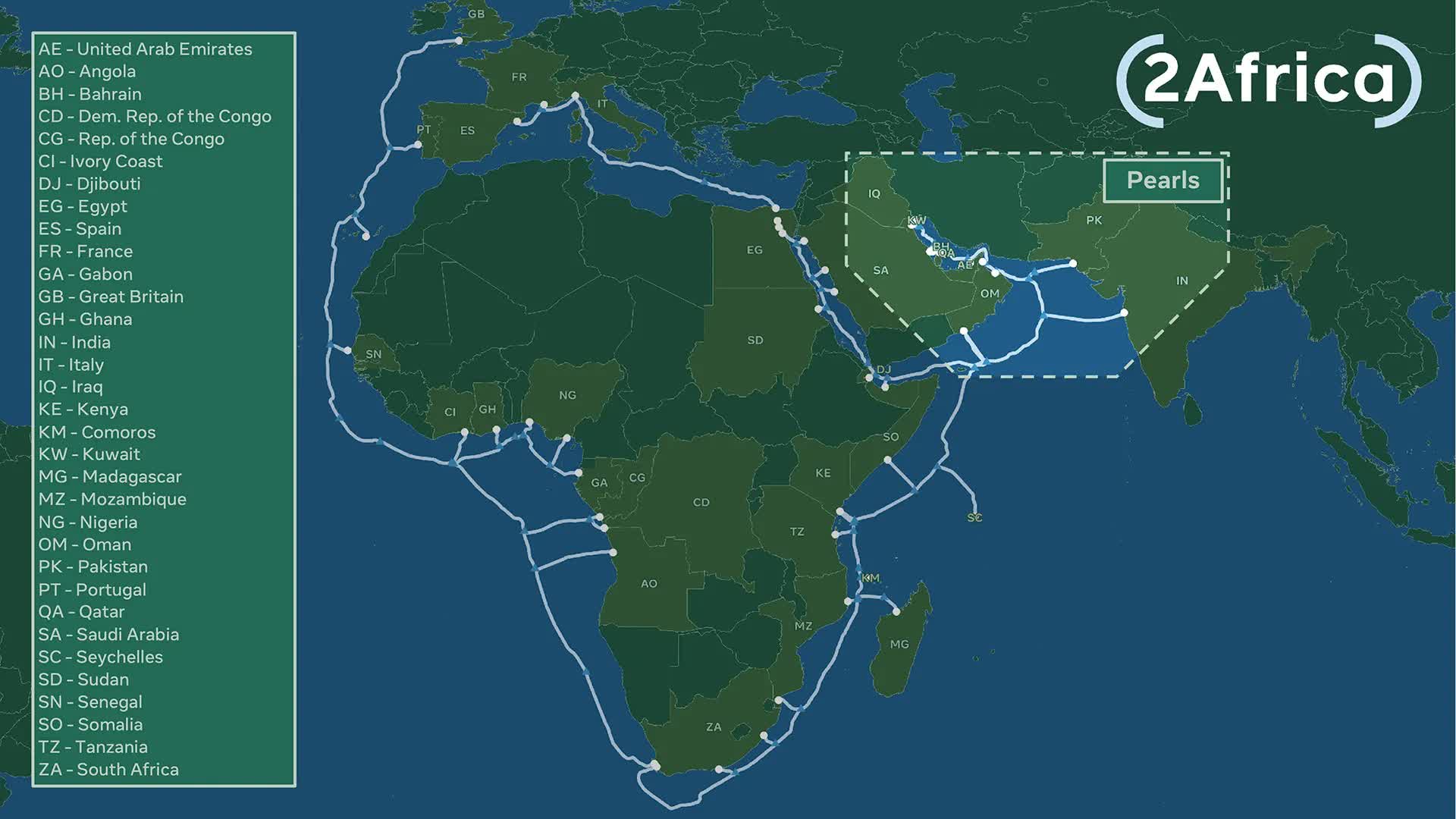
That effectively puts work on the final stages of 2Africa Pearls on hold, delaying a section that was supposed to link Gulf states, Pakistan, and India to the wider 2Africa network.
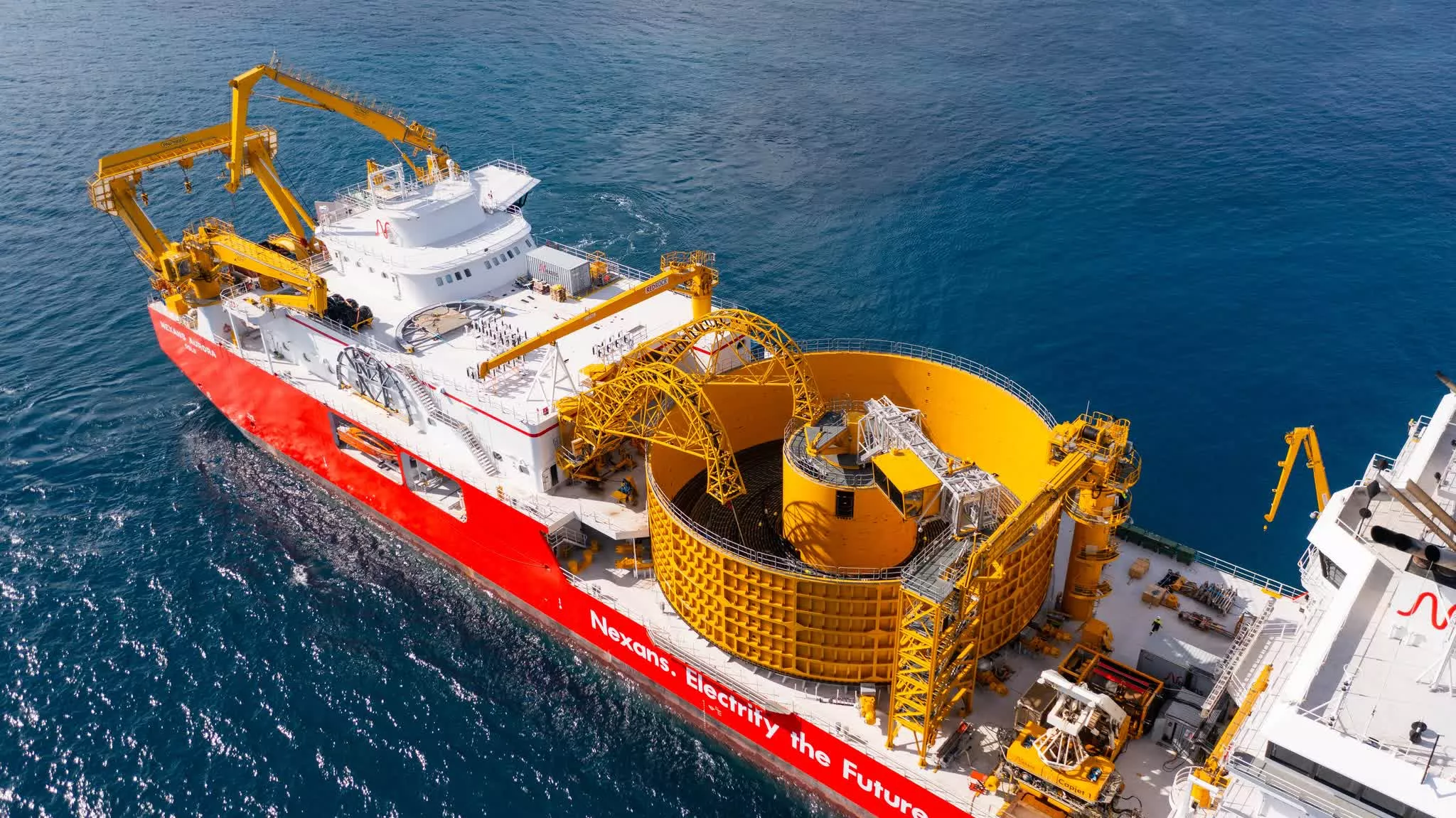
Much of the cable has reportedly already been laid in the Persian Gulf, but it still needs to be connected to onshore landing stations before the route can enter service. Bloomberg says ASN's cable-laying ship Ile de Batz is now docked in Saudi Arabia and unable to complete the job.
Meta said in November that the core 2Africa infrastructure had been completed, describing it as the world's longest open-access subsea cable system.
The company said the network currently reaches 33 countries across Africa, Europe, and Asia and is intended to serve roughly 3 billion people. The Pearls extension was supposed to finish the job in 2026, pushing total length to around 45,000 kilometers (around 27,961 miles) – longer than Earth's circumference.
The delay matters because Pearls is not some minor add-on. When it was announced in 2021, Meta and Telecom Egypt said it would extend the system into Oman, the UAE, Qatar, Bahrain, Kuwait, Iraq, Pakistan, India, and Saudi Arabia. Essentially, it's the portion that turns 2Africa from a giant Africa-focused cable into a broader Africa-Europe-Asia link.
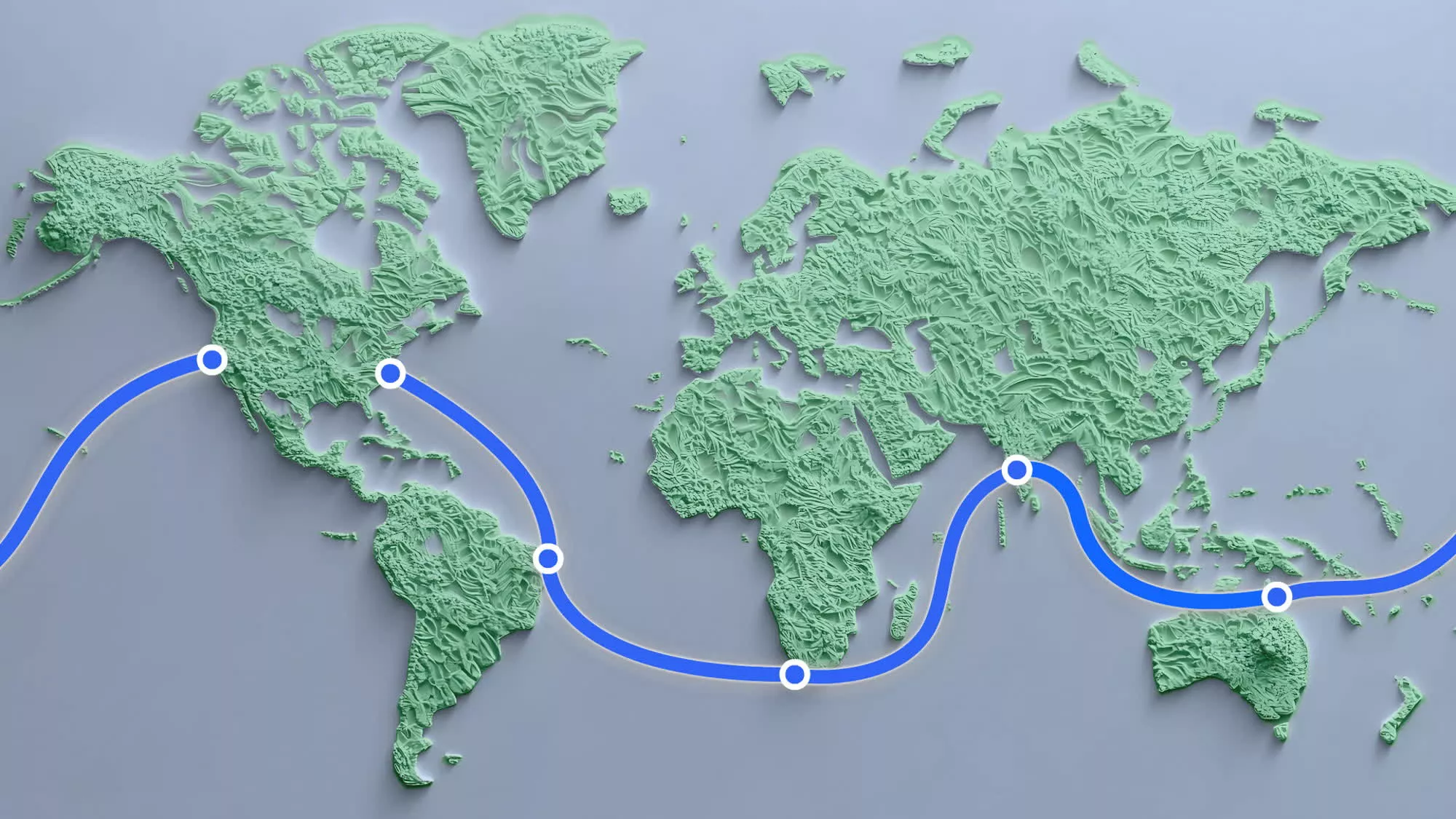
At the start of 2025, Meta announced Project Waterworth. The multi-billion-dollar undersea infrastructure initiative is expected to stretch more than 50,000 kilometers (over 31,000 miles) across five continents and use 24 fiber pairs, giving Meta a route that avoids several of today's most volatile chokepoints while putting more of its global infrastructure under direct control.
Undersea cables are more at the mercy of global conflicts than ever before. Russia has been accused of ordering its shadow fleet tankers to drag their anchors to sever these lines. There were also reports that Yemeni Houthi rebels damaged Red Sea cables in 2024.