The big picture: Barely visible behind the steel fencing and heat exhaust of modern AI data centers, a new kind of security worker is taking shape – one made of sensors, servos, and silicon. As the demand for power-hungry artificial intelligence drives a rush to build massive computing sites, robotics firms are finding their next big market among the servers themselves.
In the past year, interest in four-legged robots capable of autonomous patrols has surged, according to executives at Boston Dynamics and Ghost Robotics, two of the leading developers in the field. Data center operators, facing growing pressure to maintain 24-hour uptime and security across facilities spanning dozens of acres, see robotic quadrupeds as a practical response to the scale and cost of this new infrastructure boom.
Boston Dynamics, better known for its mechanical dog, Spot, reports that inquiries from data center clients have jumped sharply. "We've seen a huge, huge uptick in interest from data centers in the last year, I'd say, which is probably not surprising given the investment in that space," Merry Frayne, the company's senior director of product management, tells Business Insider.
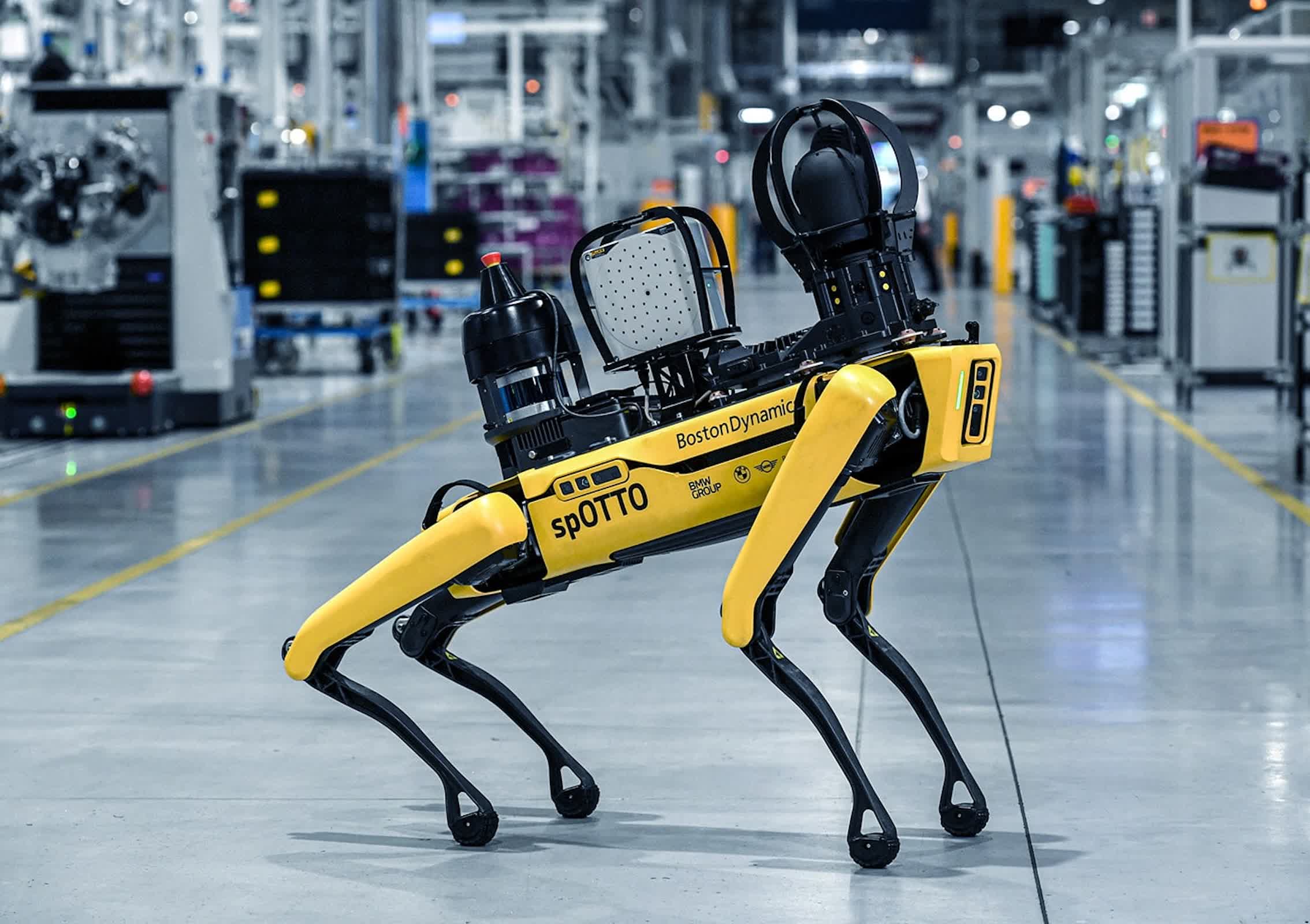
Spot is a compact, four-legged robot roughly the size of a medium dog, designed to handle tasks that would normally require multiple human inspections. It can navigate uneven terrain, climb stairs, and operate in heat, cold, or dust without fatigue.
Outfitted with a range of sensors, it can detect temperature fluctuations, leaks, puddles, and even unusual noises that might signal problems in server halls or mechanical rooms. Each robot can be equipped differently depending on mission requirements: security patrols, construction monitoring, or interior inspections.
Pricing ranges from $175,000 to $300,000, depending on configuration, with most customers recovering the cost within 18 months, according to Frayne.
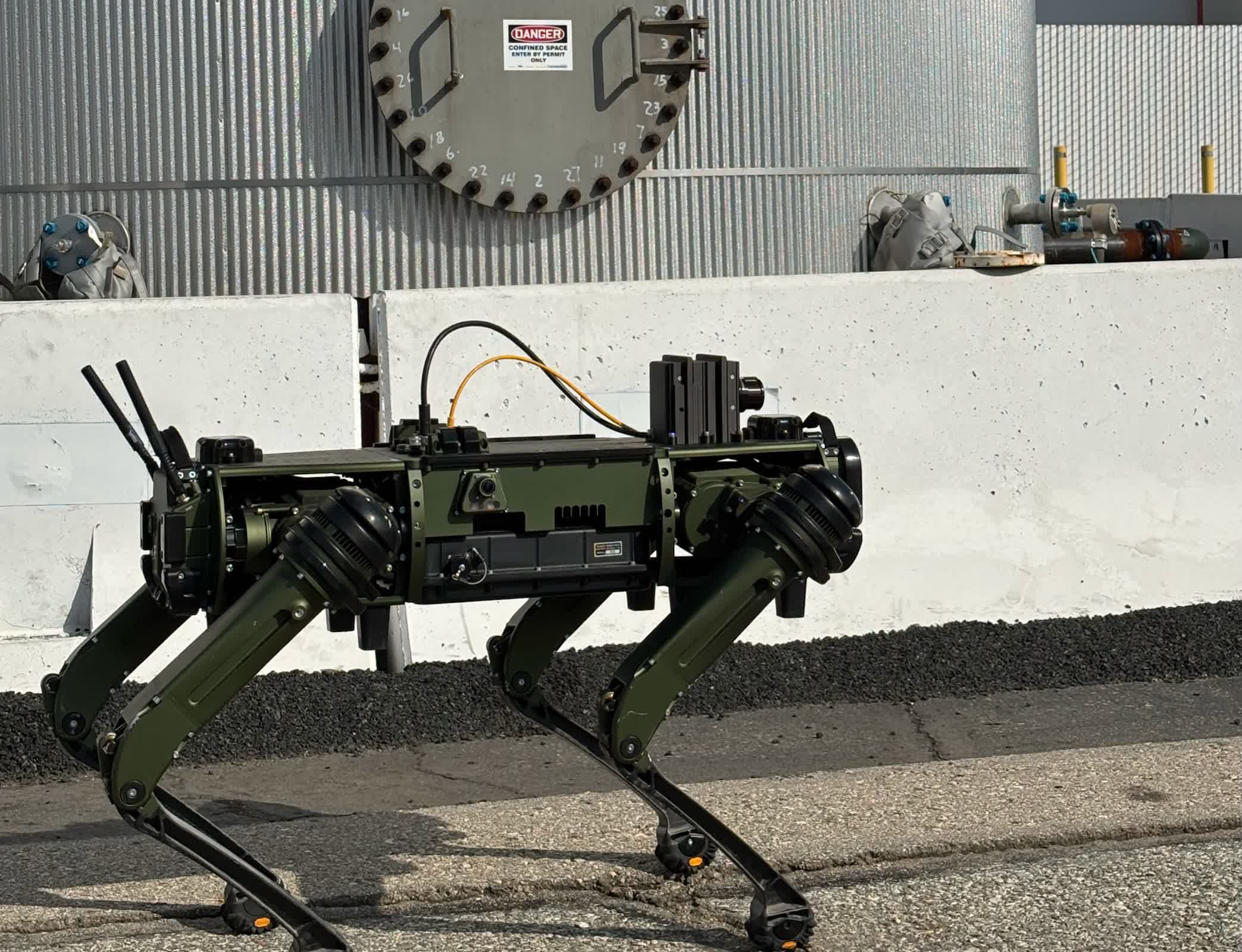
Ghost Robotics' Vision 60 is another four-legged robot being deployed at data centers, mainly for external perimeter security. It streams video back to security staff, acting as a mobile, maneuverable camera platform that never sleeps.
Michael Subhan, chief growth officer at Ghost Robotics, said the Vision 60 has been deployed in a "handful" of data centers, mainly for external perimeter security. The Vision 60 has a one-time MSRP starting at $165,000, depending on the configuration.
For operators managing multimillion-dollar server farms, the economics are compelling: a single human guard can cost around $150,000 per year, factoring in benefits and shifts. Robots, by contrast, draw power rather than paychecks.
Subhan said the aim isn't to replace human workers outright but to extend their reach. "We sort of augment the guard," he explained. "We're not there to replace the human guard."
Robotic patrols also address a practical limitation of fixed security infrastructure. Cameras and sensors can't cover every corridor or rooftop, particularly across campuses that can stretch for tens of acres. Spot, for instance, can travel miles on a single charge while automatically performing route-based inspections. In harsh climates – from desert heat to subzero winters – that endurance matters.
One company already putting these robots to work is Novva Data Centers, based in Utah. Its 1.5-million-square-foot flagship site in West Jordan uses a team of Spots to collect environmental data, check equipment, and flag anomalies to onsite staff. Using thermal imaging, the robots can alert technicians to overheating power units or cooling system failures before an outage occurs.
Both Boston Dynamics and Ghost Robotics describe data centers as a natural fit for their evolving products. The growing density of AI clusters, combined with the complexity of the cooling and electrical systems that sustain them, requires a new level of continuous observation. With approximately 5,000 data centers already operating in the United States and up to a thousand more under construction, the potential market for robotic inspection and security is substantial.
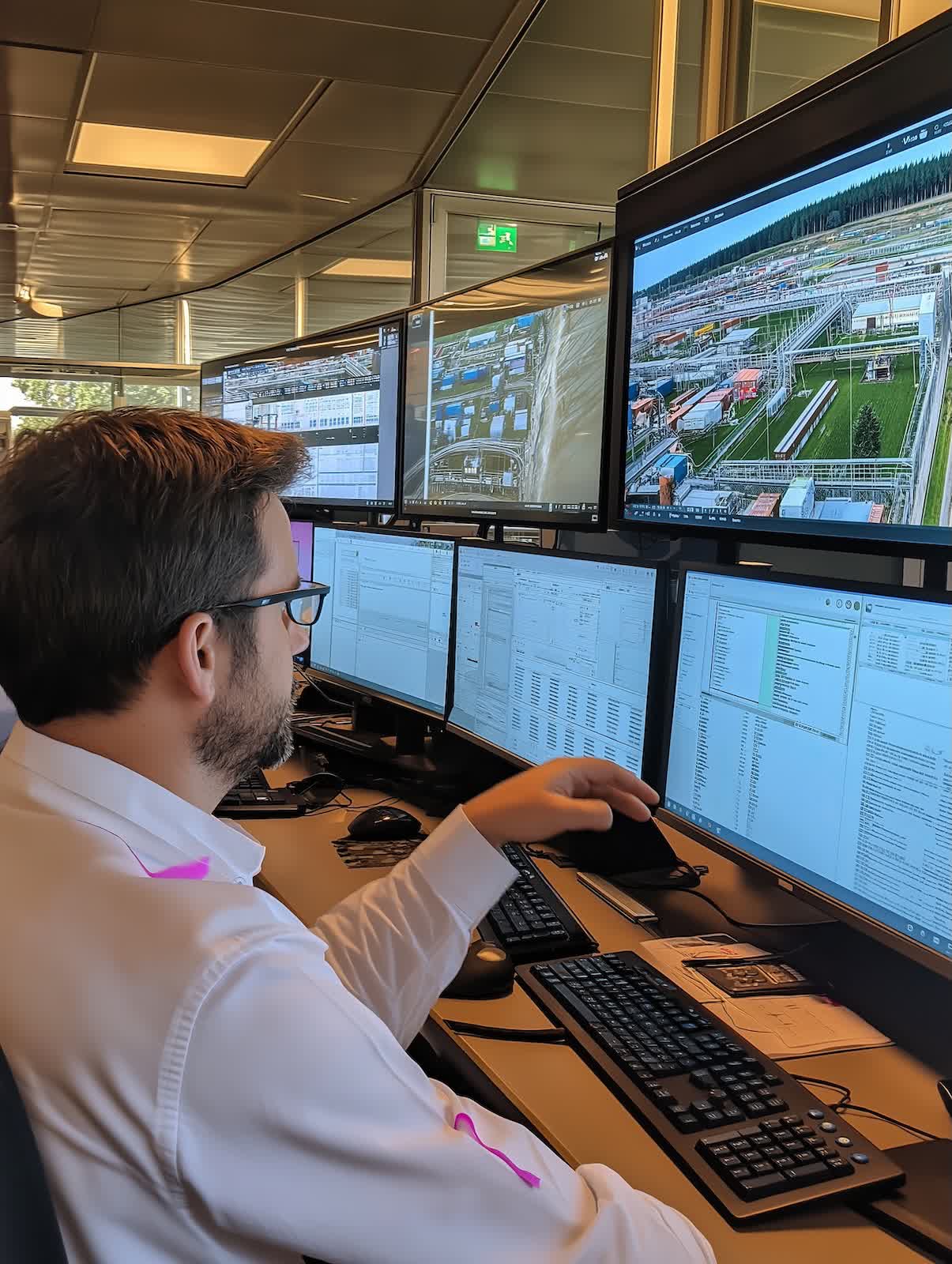
Despite their capabilities, neither company claims that human labor will disappear from the equation. Operators still monitor live video streams and make the final calls on any action the robot records. But as AI computing facilities multiply, these electromechanical dogs are becoming a familiar presence, ensuring servers stay cool, lights stay on, and data keeps flowing.