WTF?! When a smartwatch burns a user's skin, questions about battery reliability and corporate accountability quickly surface. Six months after an Apple Watch allegedly caused severe wrist burns, the case remains unresolved, raising concerns about the risks of compact lithium-ion wearables and the difficulty of obtaining support from a major tech manufacturer.
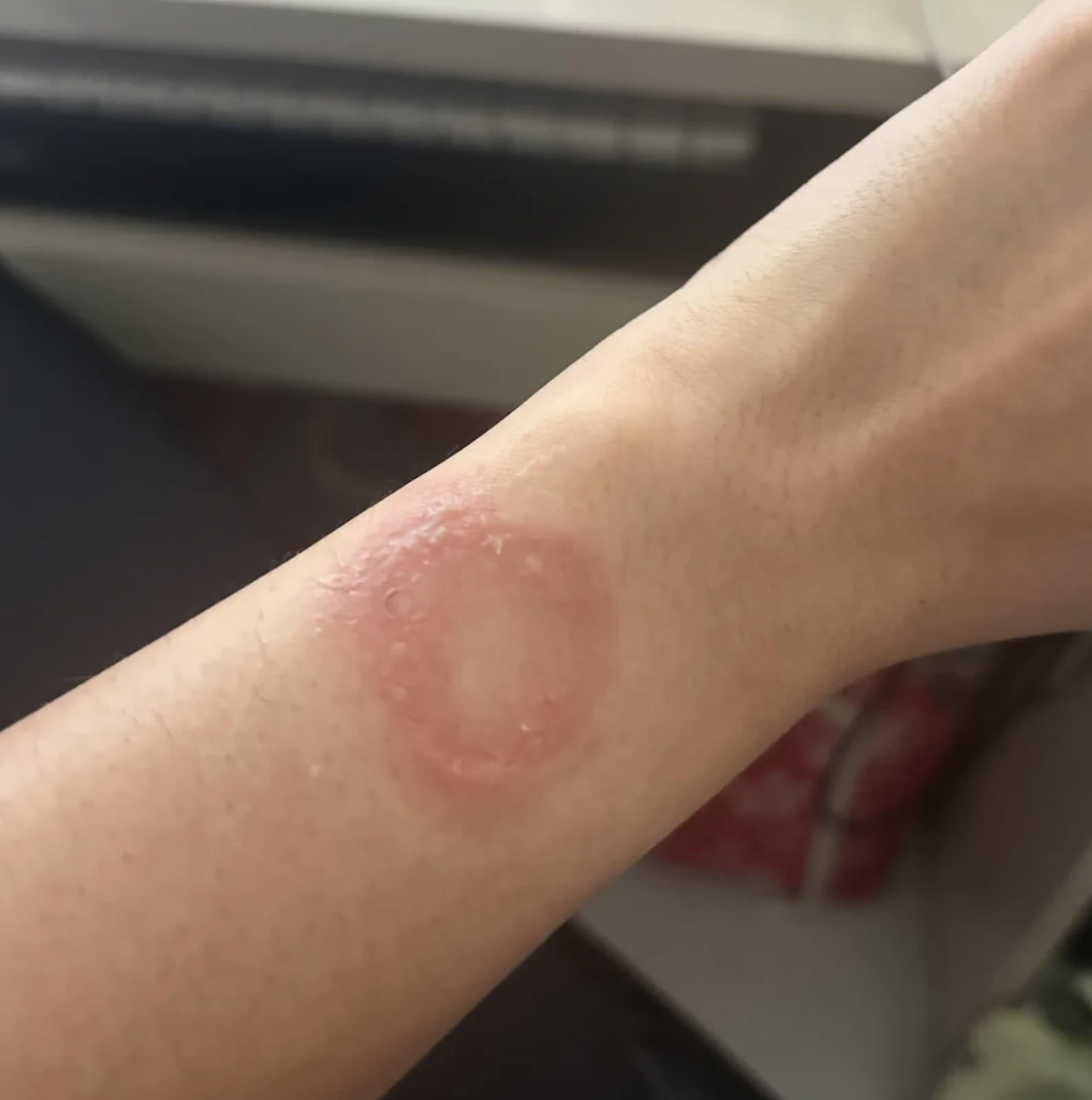
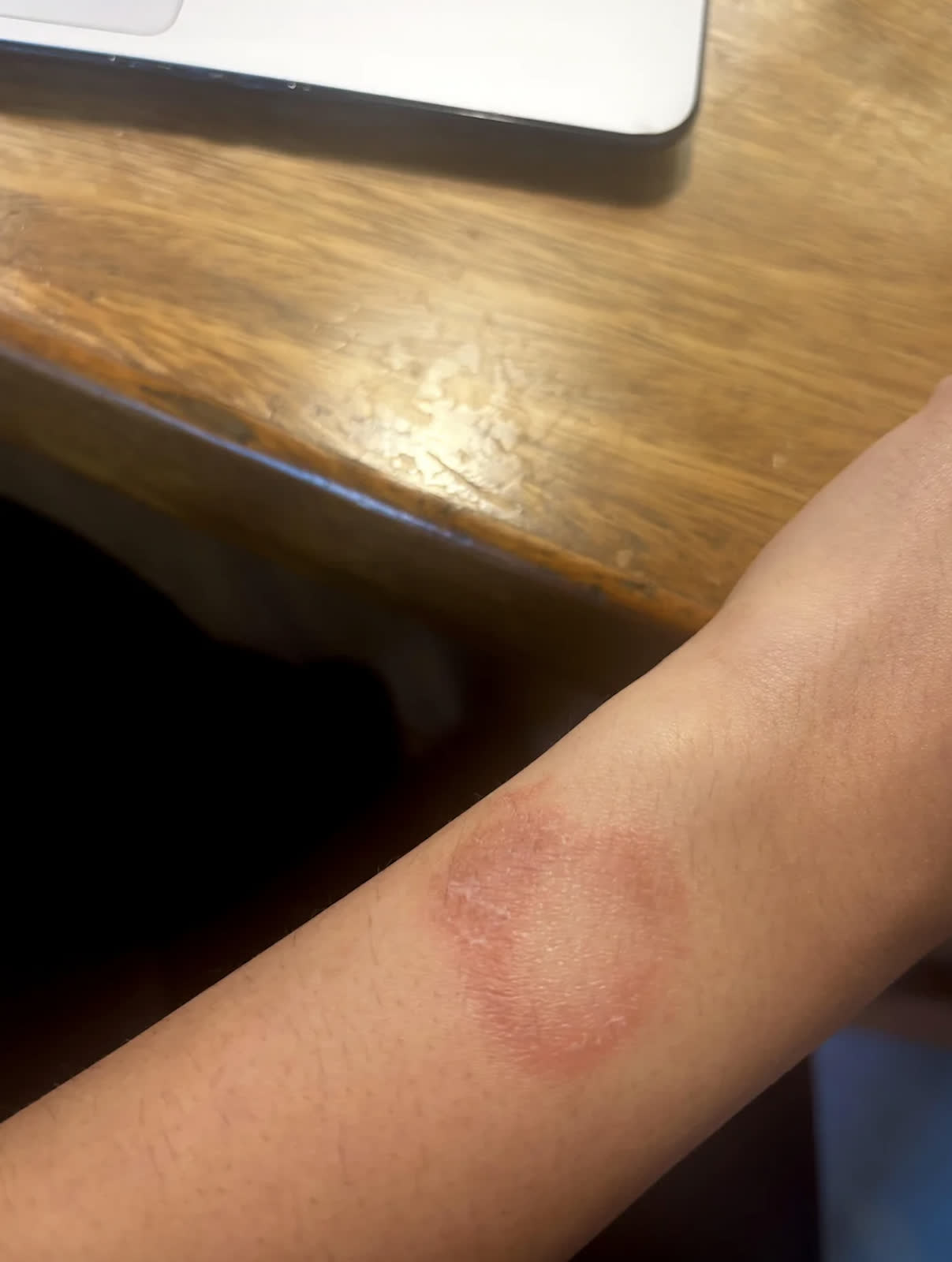
According to a detailed account posted by Reddit user Southern_Chest_9084, the incident occurred on September 24, 2025, while he was working on his laptop. The user reported feeling "an extreme surge of heat" under the device, which left a blistered, watch-shaped burn. The injury, described as painful and slow to heal, points to a rapid temperature spike within the tightly packed electronics that sit next to the skin.
Smartwatches like the Apple Watch integrate multiple energy-intensive components into a small aluminum or stainless steel case – including an OLED display, a haptic engine, health sensors, wireless radios, and a built-in rechargeable lithium-ion battery.
In modern wearables, temperature management is typically handled by software and hardware safeguards that can cut power or throttle functions when heat readings rise beyond set limits. In lithium-ion systems generally, heat events can occur if protection systems fail or if a physical short inside the cell allows uncontrolled current flow.
The technical cause here is unknown. The user notes that the watch did not show obvious external damage, making it difficult to tell whether the battery was involved, which may have contributed to Apple's skepticism when the owner sought help.
The Reddit post outlines months of attempts to obtain a substantive response from Apple Support. The user claims multiple chats, calls, and emails were logged, but each time he was transferred between departments or left on hold for extended periods.
Apple representatives reportedly offered conflicting explanations, at one point attributing the burns to an allergic skin reaction rather than a hardware failure. Later, Apple requested that the device be shipped to its repair facility in Ireland for engineering analysis.
That exchange never materialized. The customer says a pickup was promised but never arranged. Attempts to reauthorize collection failed after another advisor stated that home pickup was against company policy. By the time the customer visited a store roughly two hours away, local staff were unaware of the case and referred again to a "skin sensitivity" issue.
In mid-March 2026, the case remains open, with no confirmed investigation or communication from Apple. The customer states he is considering legal action over what he describes as a safety failure compounded by months of silence.
From an engineering standpoint, spontaneous heating incidents in lithium-based wearables are rare but not unprecedented. Batteries in close contact with human skin leave little room for thermal dispersion, meaning even a small electrical fault can cause discomfort or burns. Apple and other wearable manufacturers are generally expected to rely on safety circuits, firmware monitoring, and insulating materials to reduce the risk of such faults.
Apple has not publicly commented on the case, and no recall or service advisory has been issued for affected models. For now, the incident remains a reminder that even premium wearables are not immune to the physics that govern every lithium-ion cell – and that transparency after a failure may matter as much as the hardware itself.