A hot potato: There are plenty of Google workers with ethical concerns over the company's Pentagon work, but it seems the tech giant doesn't care. Not only is Google refusing to back away from national security work with governments, but it's also making more of an effort to secure those contracts.
According to Business Insider, the issue came up during a January Google DeepMind town hall, where VP of Global Affairs Tom Lue said the company was "leaning more" into national security work.
DeepMind CEO Demis Hassabis also reportedly said he was comfortable with Google's position, arguing that it made sense to support democratically elected governments in areas such as cybersecurity and biosecurity.
The stance marks a notable shift from the Google of 2018, when the company's involvement in Project Maven triggered an internal revolt.
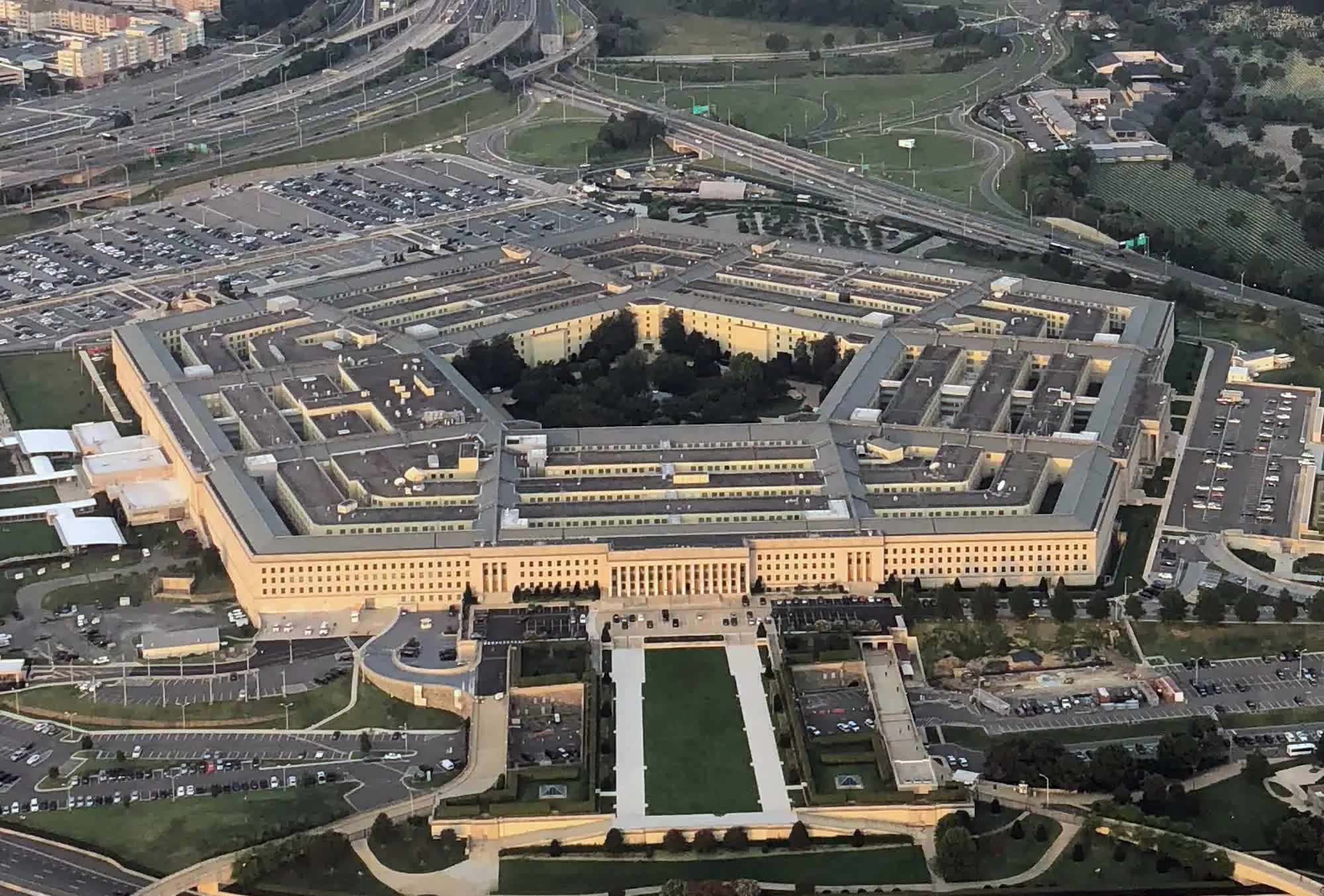
Project Maven led to more than 4,600 employees signing a petition demanding Google drop the Pentagon contract, which used AI to help identify objects in drone footage, while at least 13 staffers resigned in protest.
Google eventually chose not to renew the deal, turning Maven into one of Silicon Valley's defining flashpoints over military AI.
A lot has changed a lot since then. Google's current AI Principles emphasize bold innovation, responsible development, and collaboration, but they no longer include the earlier language explicitly ruling out technologies for weapons or surveillance.
Illustrating just how much it has changed since it last used the "Don't be evil" motto, which was dropped in 2015, the company quietly removed a key passage from its AI Principles in February 2025 that previously committed to avoiding the use of AI in potentially harmful applications, including weapons. This cleared the way for more defense and government work.
Google's stance comes during Anthropic's high-profile fight with the US government. The company refused to allow the Department of Defense to use its Claude models for mass domestic surveillance of Americans and for fully autonomous weapons. This led to the Pentagon officially designating the AI company as a supply chain risk. In response, Anthropic said it would sue the Pentagon over the decision.
The Anthropic fight resulted in its Claude app rising to the top of the iPhone's free app chart. Meanwhile, users boycotted rival ChatGPT after OpenAI signed a deal with the Department of War.
OpenAI later said it had agreed changes to the "opportunistic and sloppy" deal it struck with the US government, including explicitly prohibiting the use of its systems to spy on Americans.
Image credit: Rajeshwar Bachu