
A hot potato: One of the many concerns surrounding AI, especially agentic AI, is who is responsible when the system makes a mistake. If you use Target's upcoming AI shopping assistant and it orders items you didn't ask for, you might have to pay for them.
Target is one of many retailers jumping on the AI bandwagon by introducing an assistant that can suggest products and complete purchases for customers. The pitch is convenience: less browsing, fewer clicks, and an easier way to fill a cart. The risk is that shoppers may end up handing over more control than they realize.
But like all generative AI systems, the Gemini-powered tool used by Target can get things wrong.
It seems Target is already covering its back for when these instances occur. The retailer updated its terms and conditions on March 22, stating that if a customer authorizes the Gemini agent to act on their behalf, any transaction performed by the AI would be "considered transactions authorized by you."
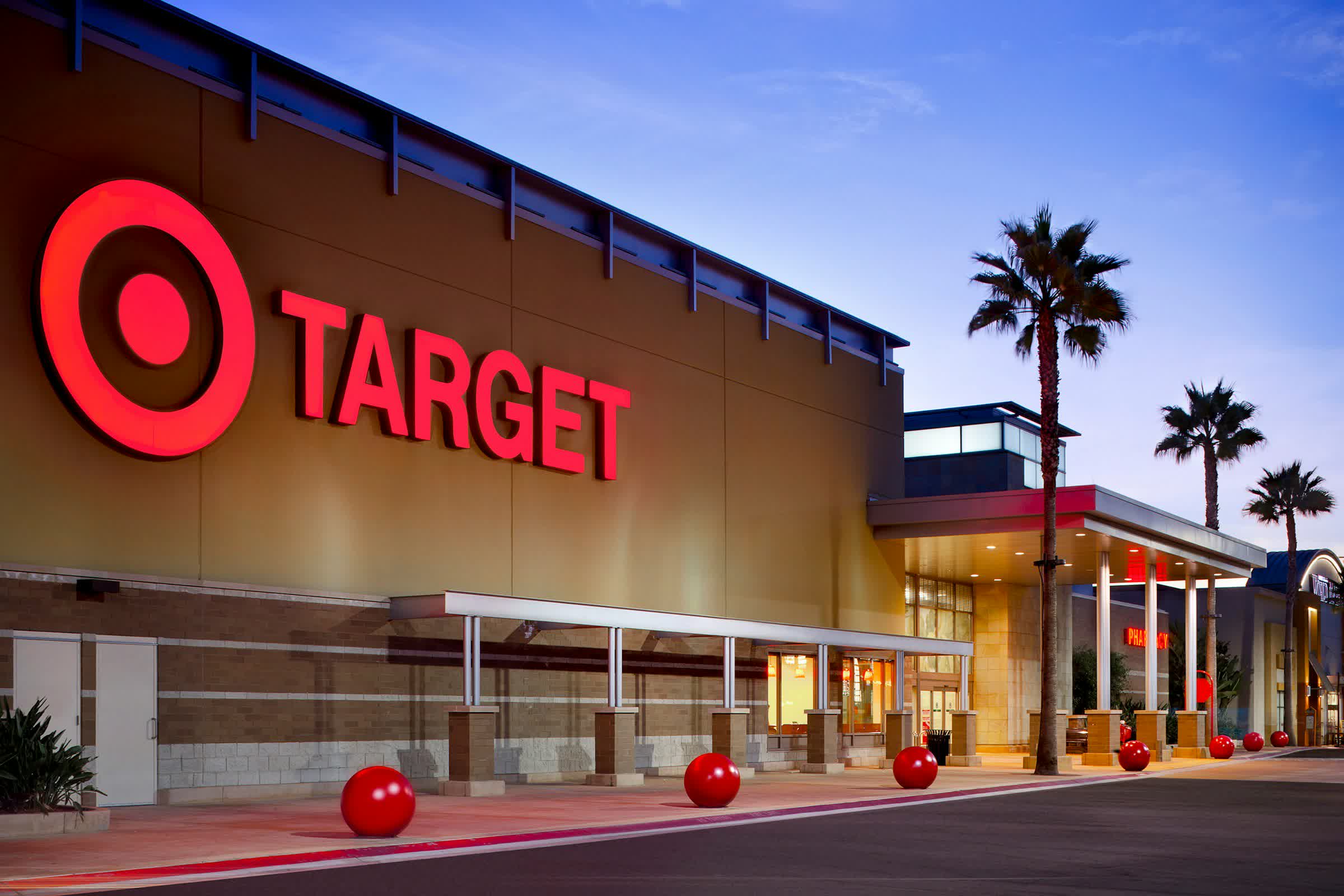
Essentially, the T&Cs state that even if the bot orders the wrong items, you'll still have to pay for them. The terms add that users are responsible for reviewing activity performed by the Agentic Commerce Agent.
Target even admits to AI's many imperfections. "Target does not purport to guarantee that an Agentic Commerce Agent will act exactly as you intend in all circumstances," the terms state, before reiterating the importance of customers reviewing orders.
Target also does not guarantee that third-party AI tools "will act exactly as you intend in all circumstances."
A Target spokesperson told Business Insider that all products bought using Gemini will still be eligible for returns or exchanges, subject to its standard return policy. That offers some reassurance, but it does little to address the bigger concern: who takes the blame when AI makes purchasing decisions on a customer's behalf.
Both Amazon and Walmart have rolled out their own AI assistants – Rufus and Sparky, respectively. Walmart also warns customers to review and verify purchases made using the AI as it can make errors, produce omissions, and misunderstand user inputs. Amazon, meanwhile, emphasizes the safety of its system in its AI disclosures.
Walmart recently found itself under scrutiny over two US patents it secured this year. They cover automated markdowns and machine learning-based demand forecasting. One system would dynamically and automatically update item prices to implement markdowns based on data such as predicted demand and consumers' price sensitivity. AI-powered dynamic pricing, essentially.