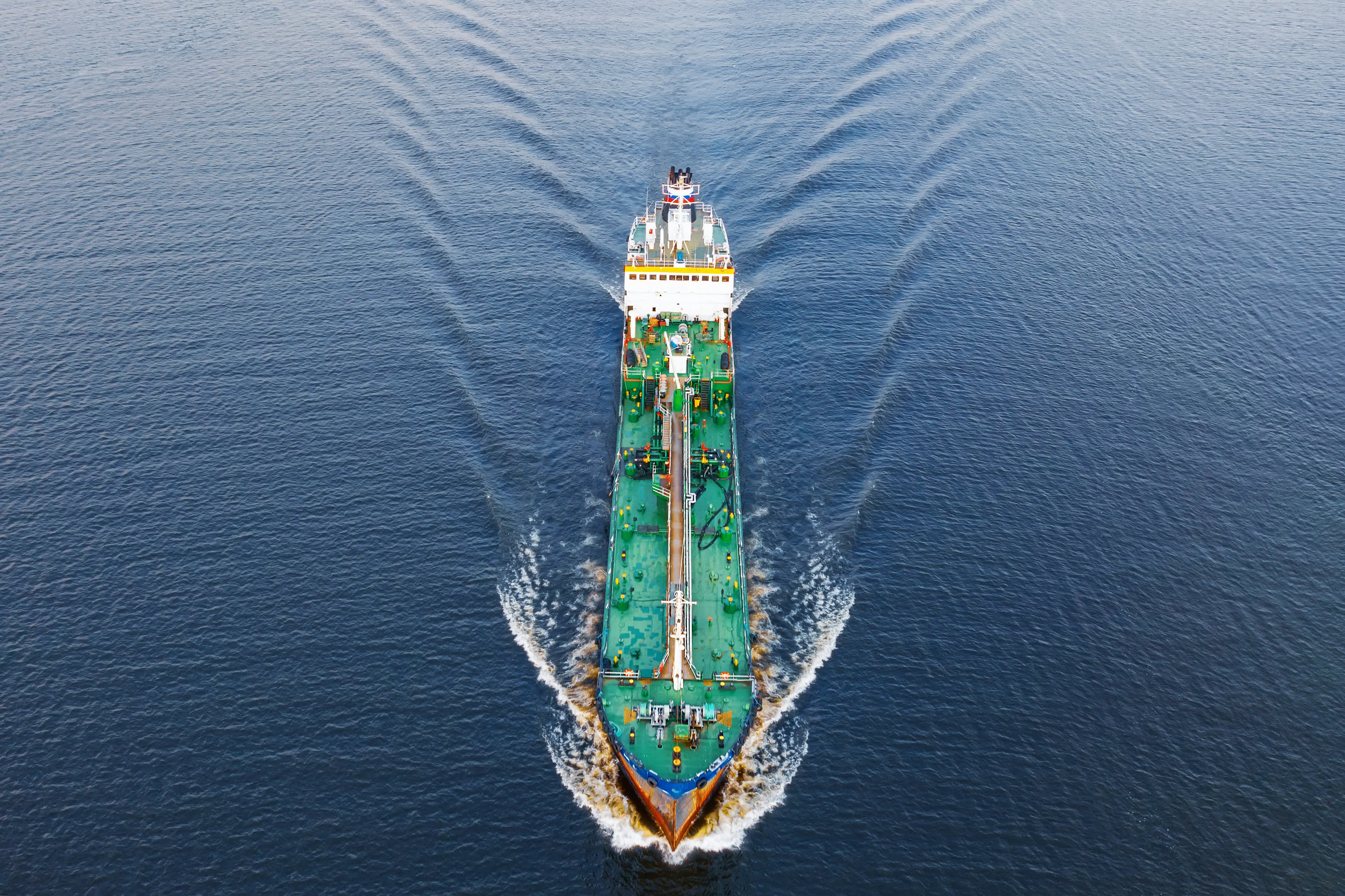
Forward-looking: CATL is steering its advanced battery technology from the highways to the open seas. The world's largest battery maker is applying its expertise in electric vehicles and energy storage systems to maritime use, a sector it sees as the next frontier for large-scale electrification.
The company, which commands 37% of the global electric vehicle battery market and 22% of the energy storage segment, has already equipped roughly 900 ships with its batteries. Most of these are small, nearshore vessels that operate along China's coastlines, at ports, or on inland waterways.
Su Yi, who leads CATL's marine business unit, told the Financial Times that the requirements for operating on water are extremely high. Su plans to more than double her team to about 500 employees this year, expanding R&D and production capabilities for marine-grade energy systems.
CATL has built its technical and commercial advantage on its innovation in lithium-ion chemistry, manufacturing scale, and cost reduction. Now, battery prices have dropped 90% since 2010, creating an opportunity to adapt land-based battery systems for maritime use.
The challenge will be translating battery performance from road to sea. Maritime systems require higher energy density, strict safety standards, and durability under saltwater exposure.

CATL is developing battery-swapping technologies for ships – similar to its highway network for commercial trucks – so operators can replace depleted units quickly rather than carry the full purchase cost of onboard batteries. The company believes this approach can make electric propulsion more competitive in the short term.
Electrifying parts of the shipping sector supports China's goal of reducing dependence on imported fuels and advancing clean energy industries. Globally, the International Maritime Organization aims to cut shipping emissions – currently about 3% of global carbon output – by half by 2050.
"The long-term consequence will be an acceleration of the global electrification megatrend," said Neil Beveridge, head of China energy research at Bernstein. The shift has gained urgency as recent US-Israeli strikes on Iran and the closure of the Strait of Hormuz disrupted global energy supplies, exposing vulnerabilities in fossil fuel transport routes.
Financially, CATL enters the marine transition from a strong position. The company posted a net profit of $10.4 billion in 2025, up 42% from the prior year, driven largely by demand for grid-scale energy storage. Its Shenzhen-listed shares have climbed about 13% since the start of the Iran conflict.
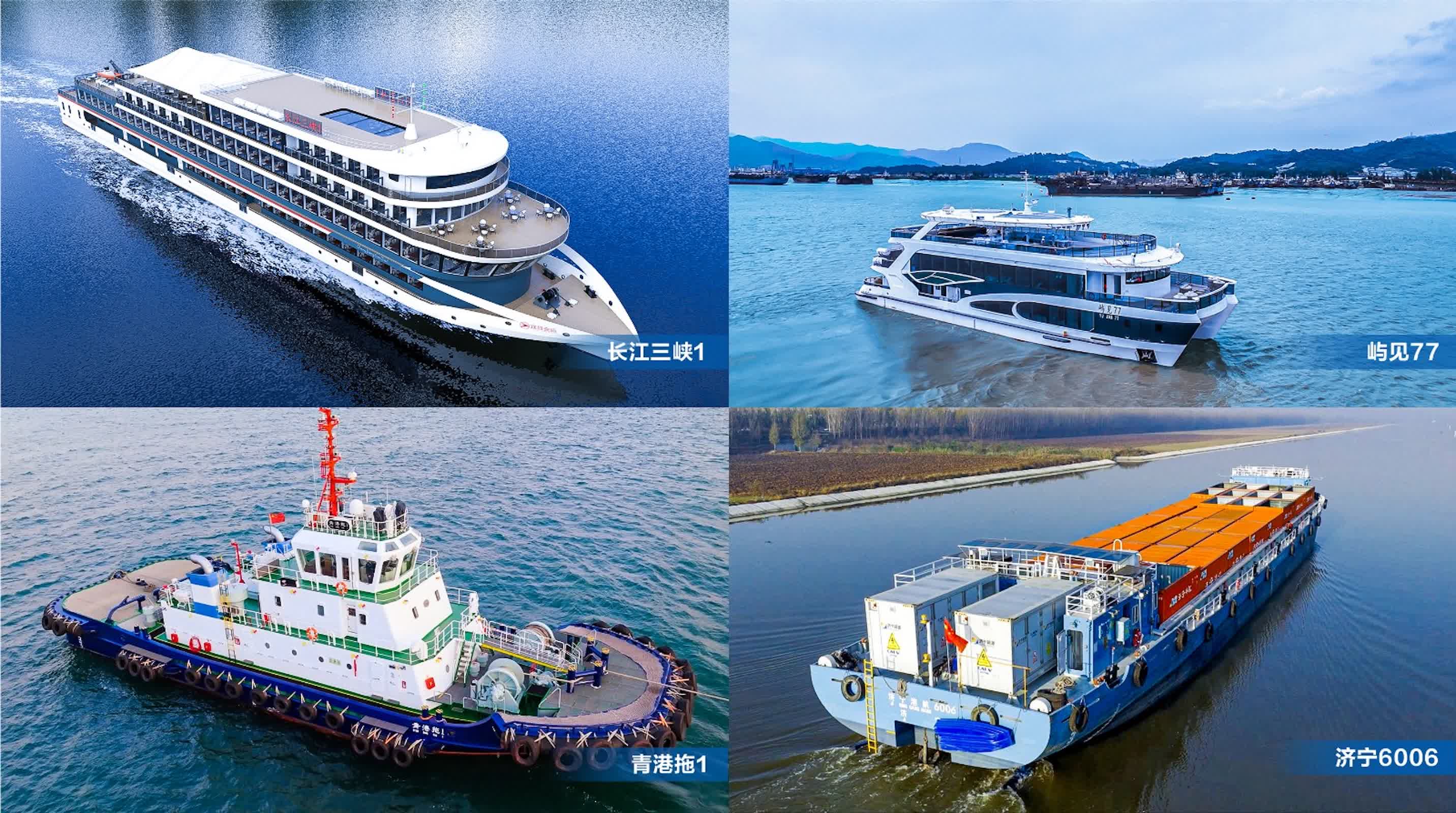
CATL is now working with ports, shipyards, and municipal governments to build a new marine battery ecosystem. Coastal centers such as Guangzhou, one of China's major shipbuilding hubs, are offering subsidies to encourage the adoption of electric vessels.
While battery technology has yet to prove viable for deep-sea voyages, researchers see hybrid propulsion systems as a realistic way to extend electrification across the shipping sector.
A 2024 pre-feasibility study by the Mærsk Mc-Kinney Møller Center for Zero Carbon Shipping found that hybrid propulsion, that is combining batteries with internal combustion engines, "offers a promising solution" for longer-range vessels. Researchers are also investigating fire risks and system reliability at sea, where maintenance and rescue are far more complex than on land.
Marine electrification has personal significance for CATL founder Robin Zeng, who studied marine engineering before shifting to electronics.
"Ship engineering was his original discipline and passion," said Su. She added that scaling the business will require 'system-level collaboration' across ship designers, shipyards, ports and electricity grids. "These silos must be broken down," she said.