
Forward-looking: The dream of crossing the US at stupid speeds without everyone underneath threatening lawsuits has moved a step closer. The FAA has published a proposed rule that would replace the 1973 ban on routine civil supersonic flight over land with a noise-based standard. Essentially, aircraft would be allowed to break Mach 1 over US territory, but only if their boom is quiet enough
The aptly named rule, titled Enabling Supersonic Overland Flight, would amend Parts 1 and 91 of federal aviation regulations.
The current system largely blocks civil aircraft from flying faster than Mach 1 in the US unless they receive special authorization. The FAA says that blanket approach is outdated because newer aircraft designs, flight planning tools, and noise-mitigation techniques can prevent disruptive sonic booms from reaching people on the ground.
Under the proposal, operators would need to demonstrate that primary and secondary sonic boom overpressure at the surface does not exceed 0.11 pounds per square foot, and that they have a reliable way to keep louder booms from reaching the ground during normal operations. The FAA is accepting comments until August 17.
This doesn't mean Concorde 2.0 is going to start screaming over Los Angeles next week. The proposal is more of a regulatory framework for companies trying to prove that quiet supersonic flight is possible. The FAA also plans a second rule later this year covering takeoff and landing noise, with the agency aiming to finalize both rules by mid-2027.
A lot of the work comes down to making the old supersonic thunderclap less thunderclappy. NASA's X-59, part of the agency's Quesst mission, is designed to turn a sonic boom into more of a sonic thump. Another approach is Mach cutoff, where aircraft speed, altitude, atmospheric conditions, and flight path are used to bend the boom away from the surface.
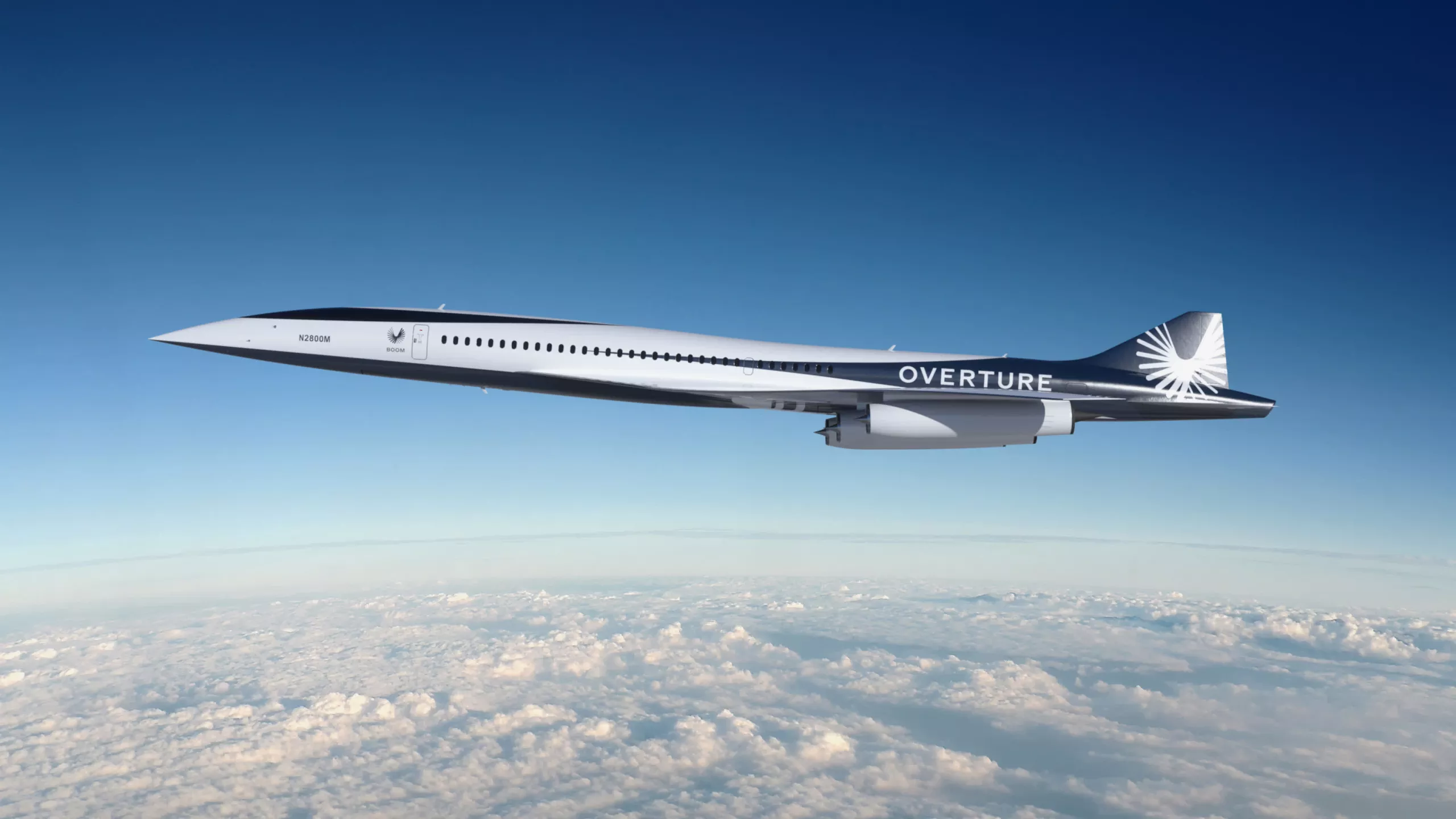
The proposal is good news for Boom Supersonic, which has been trying to make its Overture airliner a successor to Concorde without the same noise and route problems. Overture is being designed for Mach 1.7 and to carry 60 to 80 people, though the company still has plenty to prove before passengers are sipping overpriced champagne at twice the speed of today's jets.
There's been a slow push toward the return of supersonic travel for years. There was NASA's X-59 test flight last year, Boom's XB-1 breaking the sound barrier in 2024, and American Airlines placing a deposit on 20 Overture aircraft back in 2022. The FAA proposal doesn't guarantee any of those projects will succeed, but it removes one of the biggest reasons they would fail.