
Micro-Soft: In an attempt to cater to a larger number of PC users, Windows 95 developers tried their hardest to keep existing software up and running in the new operating environment. But for some specific software products, maintaining compatibility was an unattainable goal.
Microsoft veteran Raymond Chen is once again spilling the beans on how Windows 95 became one of the most influential operating systems ever. Back in the Nineties, Microsoft developers were busy working on many custom solutions to make the new OS compatible with previous software products. However, a few programs designed to run on Windows 3.1 were not going to work with Windows 95 no matter what.
Chen recently answered a visitor who asked about some applications or drivers that were simply too "evil" to run on Windows 95. The Microsoft developer said that these troublesome programs did indeed exist, and they were so bad that no fix was possible under Windows 95. The unnamed products were simply going to be completely incompatible with the new operating system.
The largest category of totally incompatible programs included products that were doing some weird things with memory and memory allocation, Chen said. These evil programs were taking various types of handles, which refer to memory resources already in use by the OS, and converting them into pointers storing a memory address. These pointers were then used to access or modify the internal implementation details of the original objects.
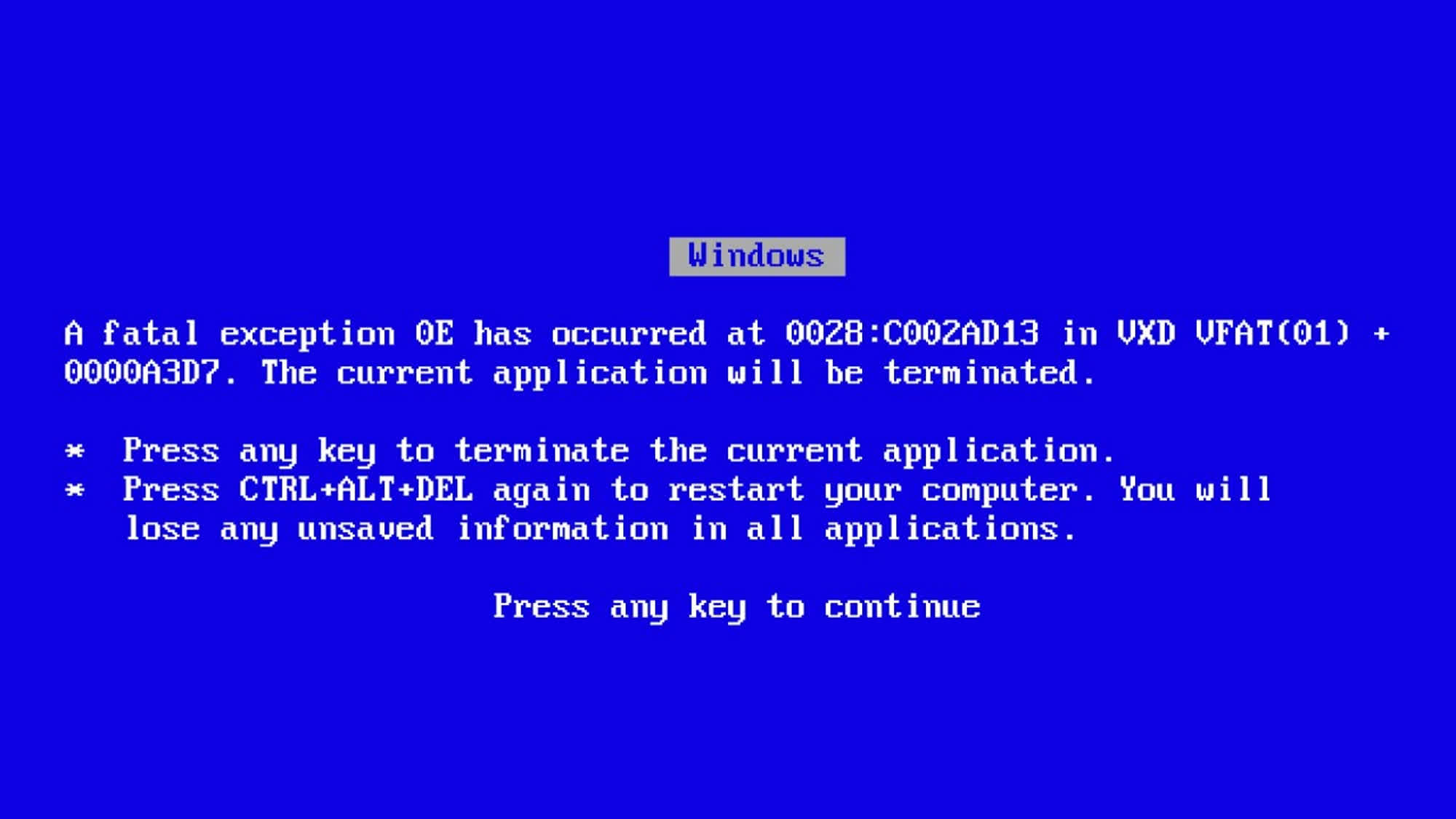
Chen explained that the programs were taking roundabout routes to access internal implementation details, which were already exposed by public, officially supported APIs to begin with. The mechanism used to convert handles into pointers in Windows 3.1 did not work in Windows 95 because the new OS used a 32-bit heap for memory allocation tasks while Win 3.1 used a 16-bit heap.
Other incompatible programs were performing some broken OS version checks – they assumed they were running on Windows 2.0 because the currently running system was not identified as Windows 3.0, 3.1, or 2.1. The Microsoft veteran confirmed that the programs having the most common compatibility issues were the ones designed to mess with the operating system's innermost parts.
The Windows 95 team had to ensure compatibility with three different software architectures: MS-DOS executable programs, 16-bit Windows applications, and brand-new 32-bit Win32 software. The mission was somewhat accomplished, and Windows 95 became the fundamental building block of Microsoft's everlasting reign over the PC software industry.
Redmond programmers employed every kind of weird programming "trick" to improve Windows 95 compatibility, including the adoption of compatibility flags, special operating modes, and on-the-fly in-memory patches to the original misbehaving code. As Chen's posts often reveal, the widespread stability problems every Win9x user has experienced over the years were just an unfortunate consequence of this herculean coding effort.