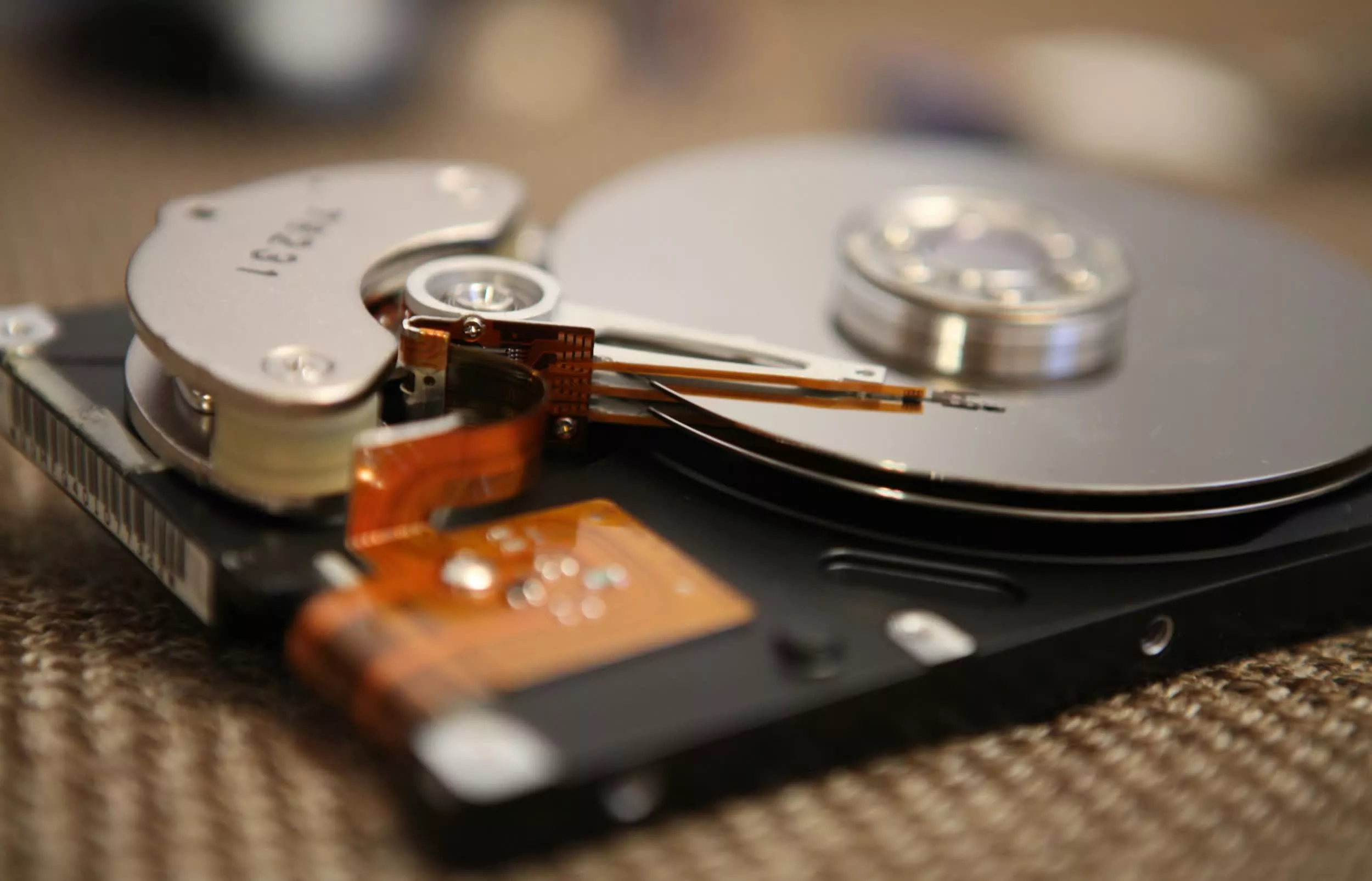
FAT is Fattening: Some of Microsoft's technical decisions in Windows originated from arbitrary or outdated constraints, many of which could now be removed with relative ease. Case in point: the FAT32 file system, which is now being pushed beyond its traditional limits – provided you are comfortable using the command prompt to configure a new storage drive.
Microsoft recently released a new preview build of Windows 11 for the Windows Insider channels. Users enrolled in the Insider program can now test a somewhat historic change: a new "hard" size limit for disk volumes formatted with the FAT32 file system. This long-anticipated update may improve compatibility and flexibility with external storage devices and other operating systems.
The newly released Windows 11 Insider Preview Build 26300.8170 (KB5083632) includes several changes related to storage, networking, Windows security, and more. Most notably, the build increases the FAT32 formatting limit from 32GB to 2TB. Users will need to use the traditional "format" utility via the Command Prompt to create larger FAT32 volumes, as the graphical interface will continue to enforce the older limit.
Microsoft first announced the FAT32-related change in 2024, but rollout has only now begun reaching a subset of Windows Insider users. Former Windows developer Dave Plummer previously explained that the original 32GB limit was introduced for the Windows 9x format utility, even though the FAT32 specification itself never imposed such a restriction.
– Dave W Plummer (@davepl1968) March 24, 2024
Originally introduced with Windows 95 OSR2 (MS-DOS 7.1) in 1996, FAT32 significantly expanded the capabilities of the original File Allocation Table system developed in 1977. The FAT32 boot sector uses a 32-bit field to count the number of sectors in a volume, which limits maximum storage capacity to 2TB for volumes using 512-byte sectors. With a 4,096-byte sector size, the theoretical limit increases to 16TB.
Multi-terabyte storage drives were effectively science fiction in the 1990s, but they are now commonplace in both SOHO and home environments. While Windows 9x and NT have long been capable of supporting FAT32 volumes larger than 32GB, users historically had to rely on third-party utilities to format larger drives.
Despite its age, FAT32 still offers strong compatibility across a wide range of operating systems outside the Windows ecosystem. Microsoft's successor to FAT32, the NT File System (NTFS), is not always the most convenient choice when exchanging data between Windows and other platforms.
In addition to increasing the FAT32 volume size limit, the new Windows 11 Insider build also improves performance when browsing large volumes in the Settings app. Other changes include more reliable network data usage statistics, an improved experience when checking Secure Boot status, and additional refinements.