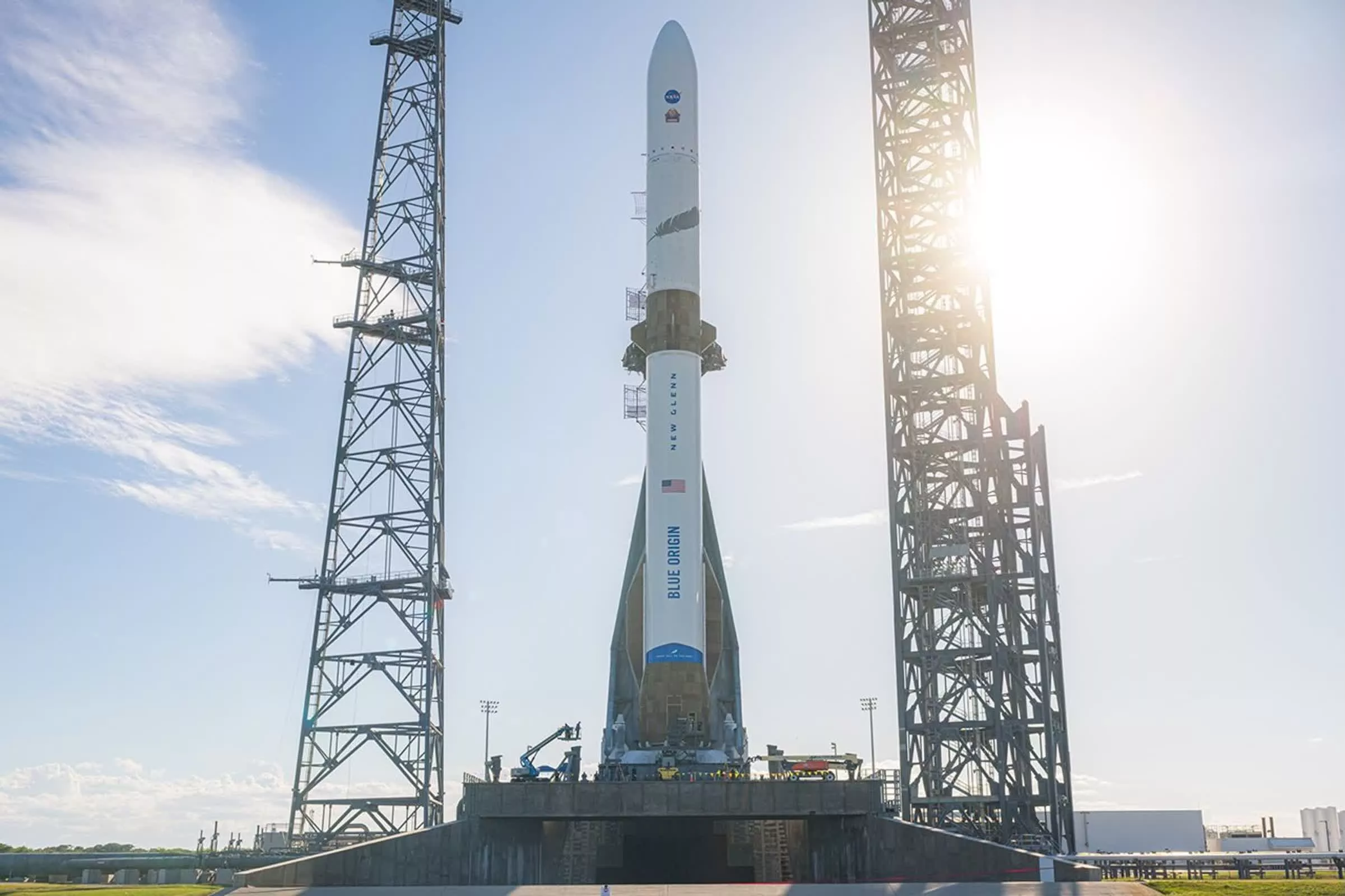
Forward-looking: Blue Origin is preparing to put a previously flown New Glenn booster back into service, a test with implications well beyond a single launch window. If successful, routine first-stage reuse would directly challenge SpaceX's lead in rapid-turnaround orbital launches.
The New Glenn mission, scheduled for Sunday morning, will reuse the same first-stage booster that flew and landed during its second mission last November. That reuse milestone is the focus of the flight, not just the payload. Reusability now sits at the center of launch economics, enabling SpaceX to fly Falcon 9 frequently and at relatively low cost. Any company aiming to compete at scale will need to approach that level of reuse.
For Blue Origin, the timing is tied closely to Amazon's broader satellite ambitions. So far, the constellation build-out has moved more slowly than planned, with launches still relying on expendable rockets. To date, it has launched 241 LEO satellites, while over a comparable 12-month period, Falcon 9 missions placed more than 1,500 satellites into orbit for Starlink.
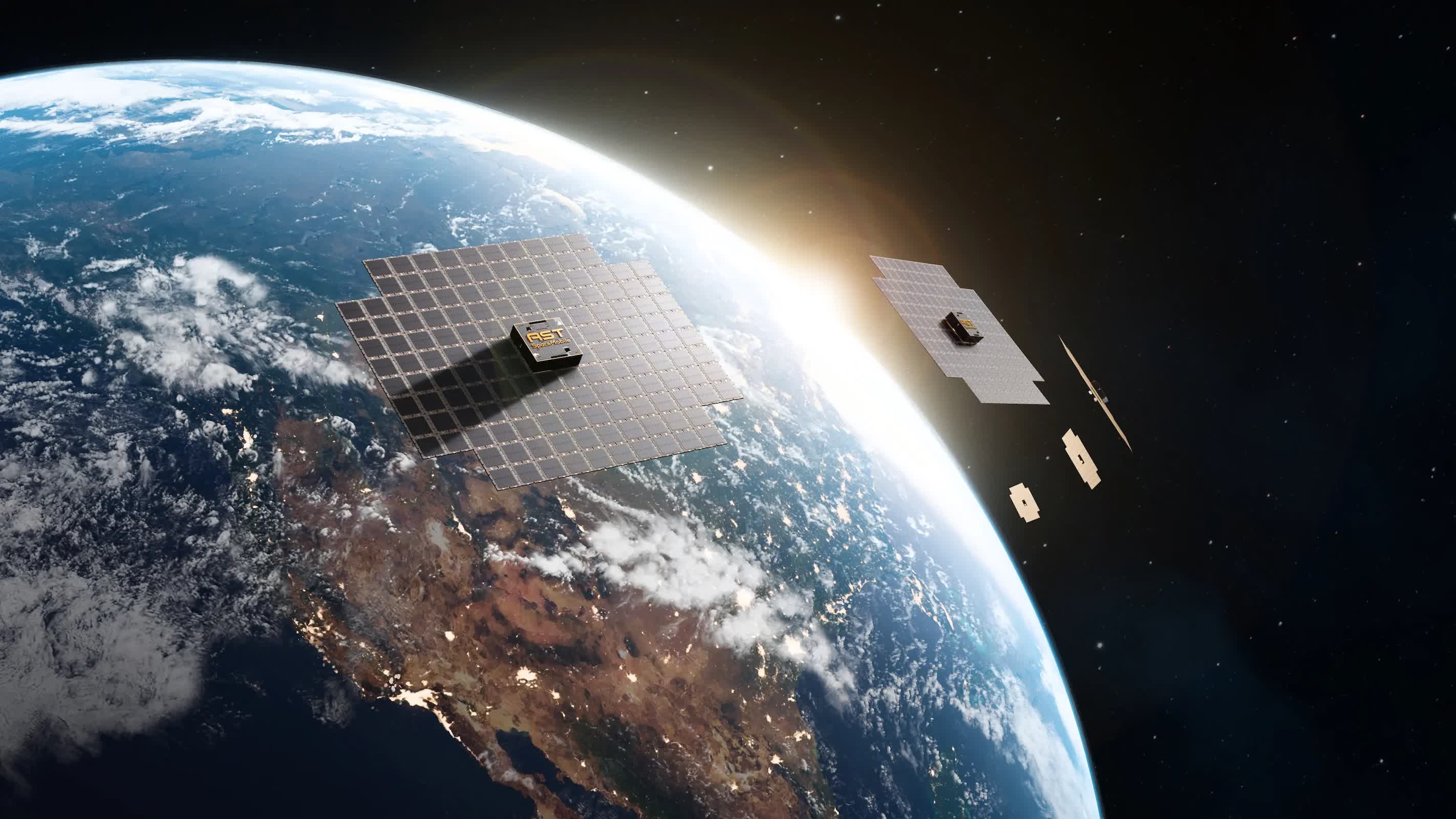
The payload itself is technically ambitious. New Glenn will carry AST SpaceMobile's BlueBird 7 satellite, part of a fundamentally different approach to space-based connectivity. Rather than deploying large constellations of small satellites, AST is building fewer, higher-capacity platforms. BlueBird 7 exemplifies that strategy, featuring a 2,400-square-foot phased-array antenna – the largest commercial communications array ever deployed in low Earth orbit.
SpaceMobile's design effectively turns each satellite into a high-powered node capable of connecting directly to standard mobile devices. BlueBird 7 is the second satellite in AST's Block 2 generation, engineered to deliver 4G and 5G broadband speeds exceeding 120 Mbps to unmodified smartphones. The emphasis is on compatibility with existing terrestrial devices, avoiding the need for specialized ground hardware.
The company's deployment roadmap calls for between 45 and 60 satellites in orbit by the end of 2026. Once operational, the system will enter a competitive field already taking shape. SpaceX has begun rolling out its direct-to-cell service with T-Mobile in the United States. Meanwhile, Globalstar – now a key satellite partner for Amazon – supports emergency and connectivity features for Apple devices in areas without terrestrial coverage.
The convergence of these efforts points to a broader shift in how telecom companies address connectivity gaps. Instead of relying solely on dense terrestrial infrastructure, companies are moving toward hybrid networks where orbital systems function as extensions of traditional cellular coverage. The technical approaches vary – high-volume constellations versus fewer, high-capacity satellites – but the end goal is the same: eliminating dead zones.
New Glenn's reuse test carries weight beyond Blue Origin's roadmap. A successful flight would give the market another operational option for reusable heavy-lift launches, with Amazon's deployment schedule and AST SpaceMobile's network buildout both tied to increased launch capacity. It would also begin to erode the single-provider dynamic that has defined orbital reusability for nearly a decade.
The launch window opens Sunday from 6:45 a.m. to 8:45 a.m. Eastern.