The chipmaker's 13F filing shows it now owns big pieces of the companies it sells to, builds with, and depends on
The takeaway: Nvidia's latest 13F reveals a $63.4 billion portfolio of US stocks, and it is very lopsided. Intel and SpaceX account for roughly 80% of it. But the filing's most interesting detail is what didn't happen: seven of the eight positions were untouched last quarter, but the portfolio more than tripled in value anyway.
What $135 (or more) a share buys: a rocket business, Starlink, and a very, very large bet on AI
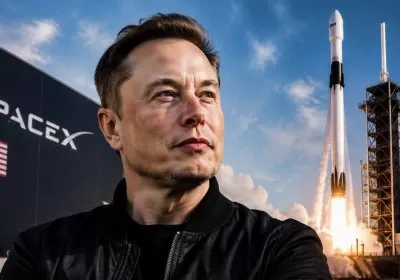
Why it matters: The largest IPO in history did two things at once: it made Elon Musk the world's first trillionaire, and it quietly converted a privately held rocket company into a stock that millions of investors may soon own whether they chose to or not. SpaceX isn't asking Wall Street to price its launches or its satellites. It's asking the market to bet that a rocket company is on its way to becoming one of the most valuable AI companies on Earth, and to start paying for that future today.
Starlink growth is funding massive AI and Starship spending, for now
Bottom line: SpaceX has filed for an IPO that could become the largest in history, giving investors a detailed look at a business that spans rockets, satellite networks, and AI infrastructure. The filing portrays a company growing quickly but spending heavily.