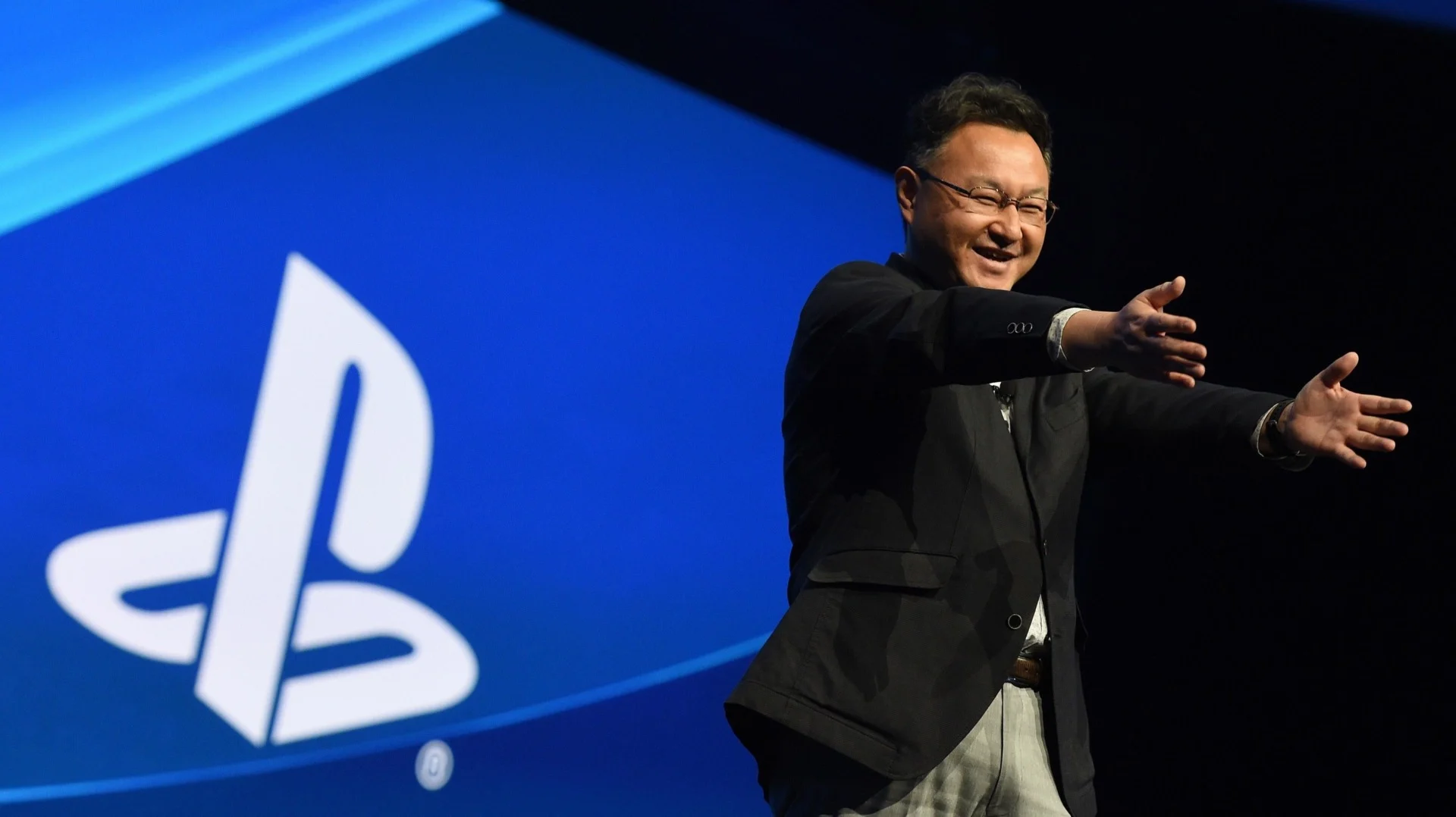
In context: Shuhei Yoshida spent nearly four decades at Sony, from 1986 until his retirement in 2025. The executive was also part of the original PlayStation team since 1993, which means he knows a thing or two about how you run a successful video game business.
In a recent interview, Shuhei Yoshida reiterated what he believes Sony should continue doing with some of its most valuable gaming assets. The former head of PlayStation development, who led the division from 2008 to 2019, argued that a platform holder like Sony should not launch first-party exclusives on PC at the same time they debut on console.
According to Yoshida, Sony's strategy has long centered on first-party PlayStation content. During his time overseeing development, the idea of bringing PlayStation games to other platforms, particularly PC, was simply not on the table. That began to shift in 2020, when Sony opened its vault of exclusives to PC with the release of Horizon Zero Dawn.
The Guerrilla Games action RPG arrived on Windows a year after Yoshida left Sony Interactive Entertainment. As development costs and budgets climbed, he said it made sense for Sony in the PS5 era to begin moving major releases to PC. The retired executive believes that strategy has helped Sony recover some of the enormous investment required to build modern triple-A games. Releasing former PS4 and PS5 exclusives on PC a few years later likely provides fresh capital to fund new first-party PlayStation projects.
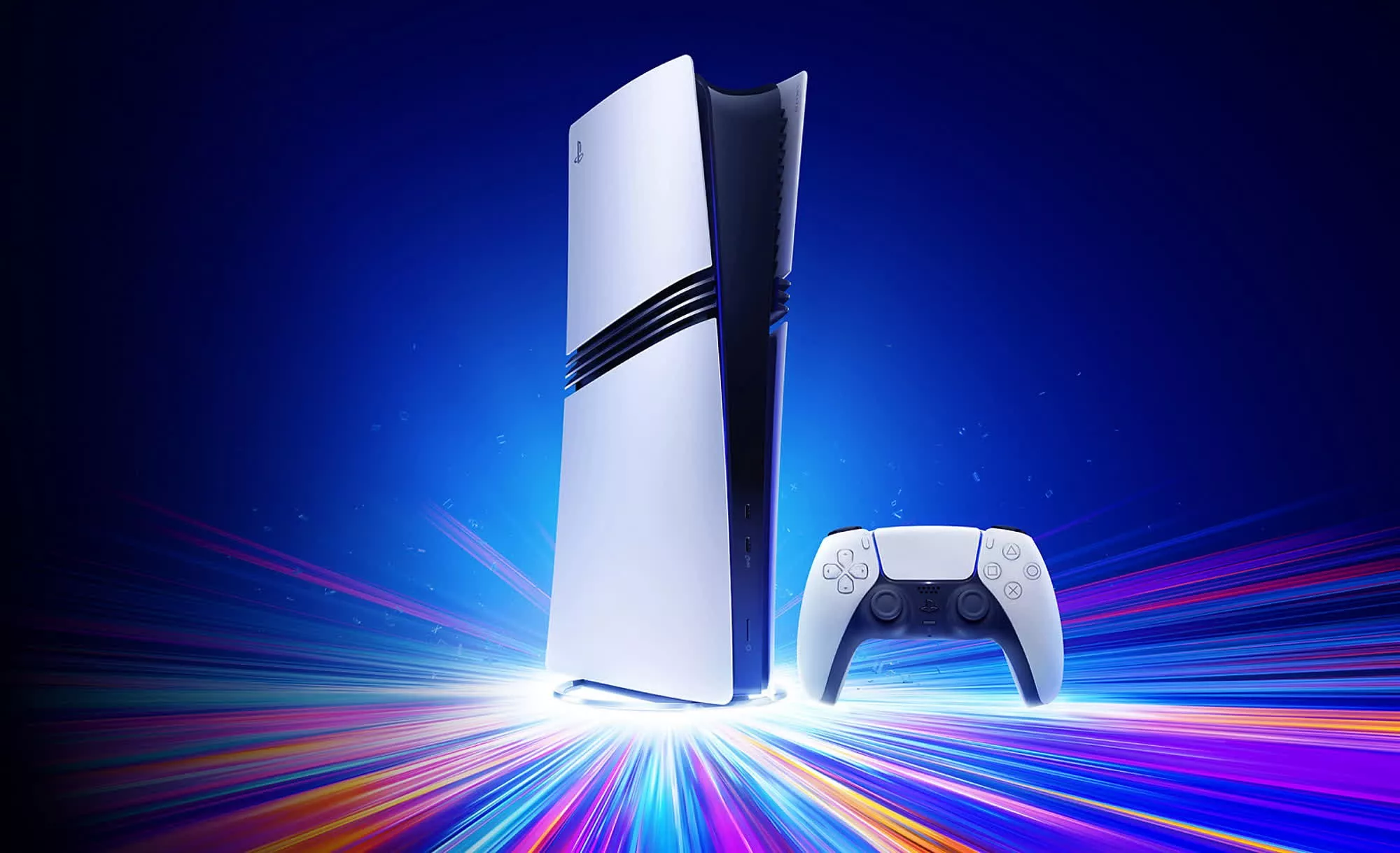
He has previously described Sony as essentially "printing money" through PC ports, especially given how closely modern PlayStation hardware aligns with contemporary PC architecture. Just as important, he argues the strategy has shown little evidence of hurting PS5 demand.
Earlier this month, rumors began circulating about Sony's alleged decision to abandon the PC platform altogether. Yoshida said that he has not seen any real proof of a strategy change, at least for the ninth generation of gaming consoles. What interests him more is how Sony plans to sustain current levels of investment in blockbuster first-party development.
For Yoshida, the answer is not day-one multiplatform releases. A platform holder like Sony, he argues, should keep doing what has traditionally worked: launch marquee games on PlayStation first, then consider ports later. Moving away from that approach could risk backlash from core platform loyalists, particularly as Microsoft continues pursuing a different path with Project Helix.
"Some vocal small number of consumers complain when they see the PlayStation first-party games are ported to PC," Yoshida said, "but I do not think that really affected adoption of PlayStation hardware like PS5 in any way."