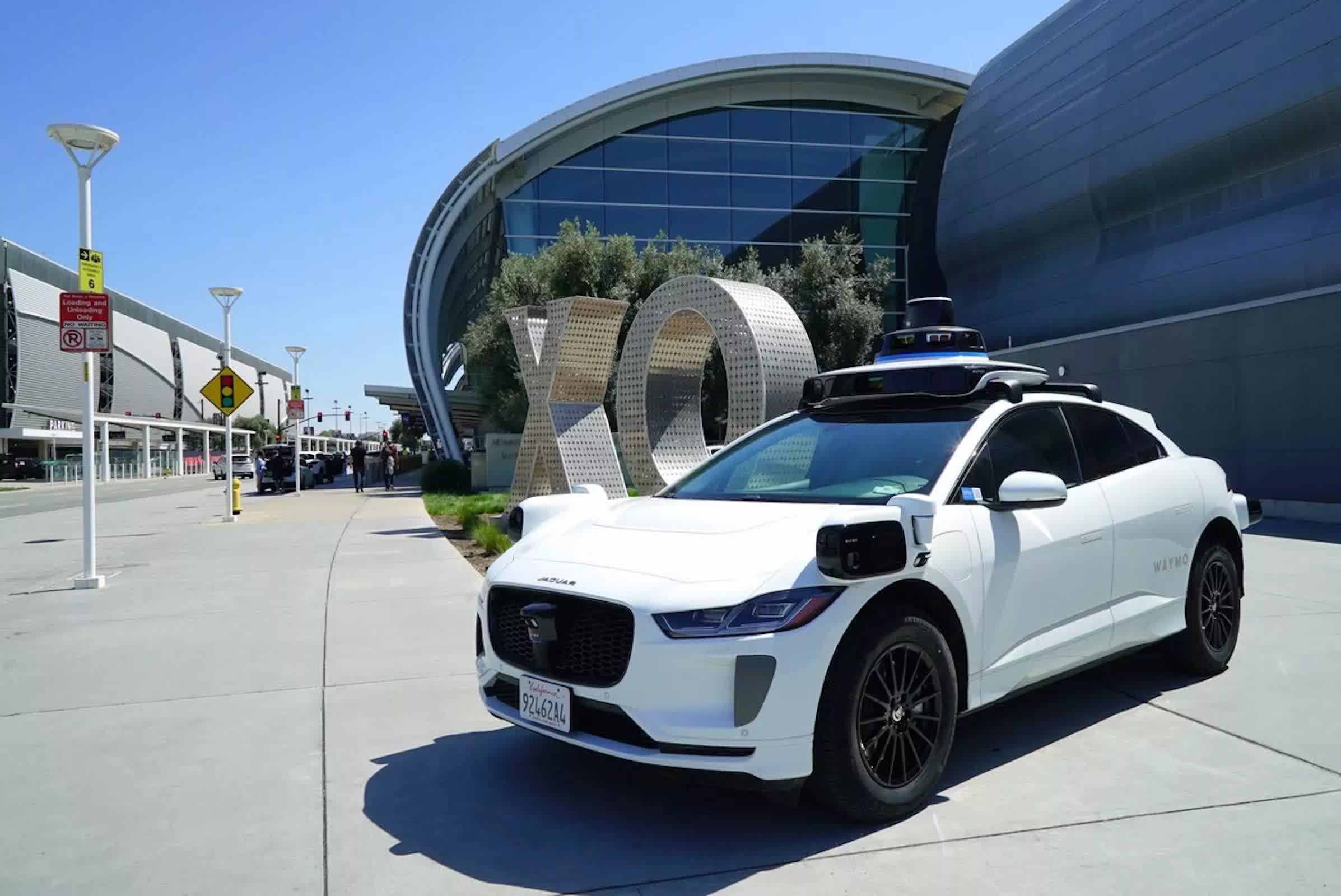
What just happened? California regulators are introducing new accountability rules for autonomous vehicles, addressing a fundamental issue: when something goes wrong, there is no human driver to hold responsible. Under regulations adopted this week by the California Department of Motor Vehicles, police will be able to issue citations to the companies operating driverless vehicles rather than to the vehicles themselves. The rules take effect July 1 and stem from a 2024 law aimed at tightening oversight of autonomous driving systems.
The change defines how violations are handled when the "driver" is software. The gap has already caused confusion. In San Bruno last year, police stopped a Waymo vehicle after it made an illegal U-turn but were unable to issue a ticket. "Since there was no human driver, a ticket couldn't be issued," San Bruno Police Department said in a statement at the time.
The new process places responsibility on manufacturers. If a vehicle breaks traffic laws, officers can issue a notice of "noncompliance," triggering a DMV review. "If the manufacturer is unable to remediate the issue, the Department may restrict, suspend, or revoke the manufacturer's operating permit," the department said in a statement.
That authority goes beyond traditional traffic enforcement. The DMV can limit where fleets operate, how fast they travel, and the conditions under which they operate. It effectively ties system performance to whether a company can continue operating.
The rules come as autonomous vehicles continue to encounter edge cases that challenge their perception and decision-making systems. In San Francisco last year, a power outage left Waymo vehicles stalled in intersections, contributing to traffic congestion. More recently, in Austin, officials reported that a Waymo vehicle blocked an ambulance responding to a shooting.
These incidents point to ongoing technical limitations. Autonomous systems rely on sensors, mapping, and real-time decision-making software to interpret complex environments. Situations involving emergency vehicles or disrupted infrastructure can still cause failures, especially when timing is critical.
California's updated framework also addresses how autonomous fleets respond to emergency responders. Companies will be required to establish communication protocols with local authorities and ensure vehicles can be moved out of designated emergency areas within two minutes of receiving instructions.
The regulations also expand testing and operational requirements. The DMV is adding stricter testing requirements for permitting, along with new standards for training employees who assist with remote vehicle operations.

Companies will also be required to collect and report more detailed data on safety-related incidents, expanding the state's visibility into how these systems perform outside controlled testing environments.
State officials framed the rules as part of a broader effort to balance innovation with oversight. "California continues to lead the nation in the development and adoption of A.V. technology, and these updated regulations further demonstrate the state's commitment to public safety," DMV Director Steve Gordon said in a statement. "These updates support the growth of the A.V. industry by enhancing public safety and transparency while adding additional accountability for A.V. manufacturers."
Waymo, which operates one of the largest robotaxi fleets in the US, said it is reviewing the regulations but declined to comment further. The company has previously said its vehicles are designed to follow traffic laws and yield to emergency vehicles, and that it uses real-world data to improve performance over time.
While other states, including Arizona, already allow citations involving autonomous vehicles, California's approach ties enforcement more directly to how these systems operate. It shifts the focus from documenting violations to shaping how the technology performs.