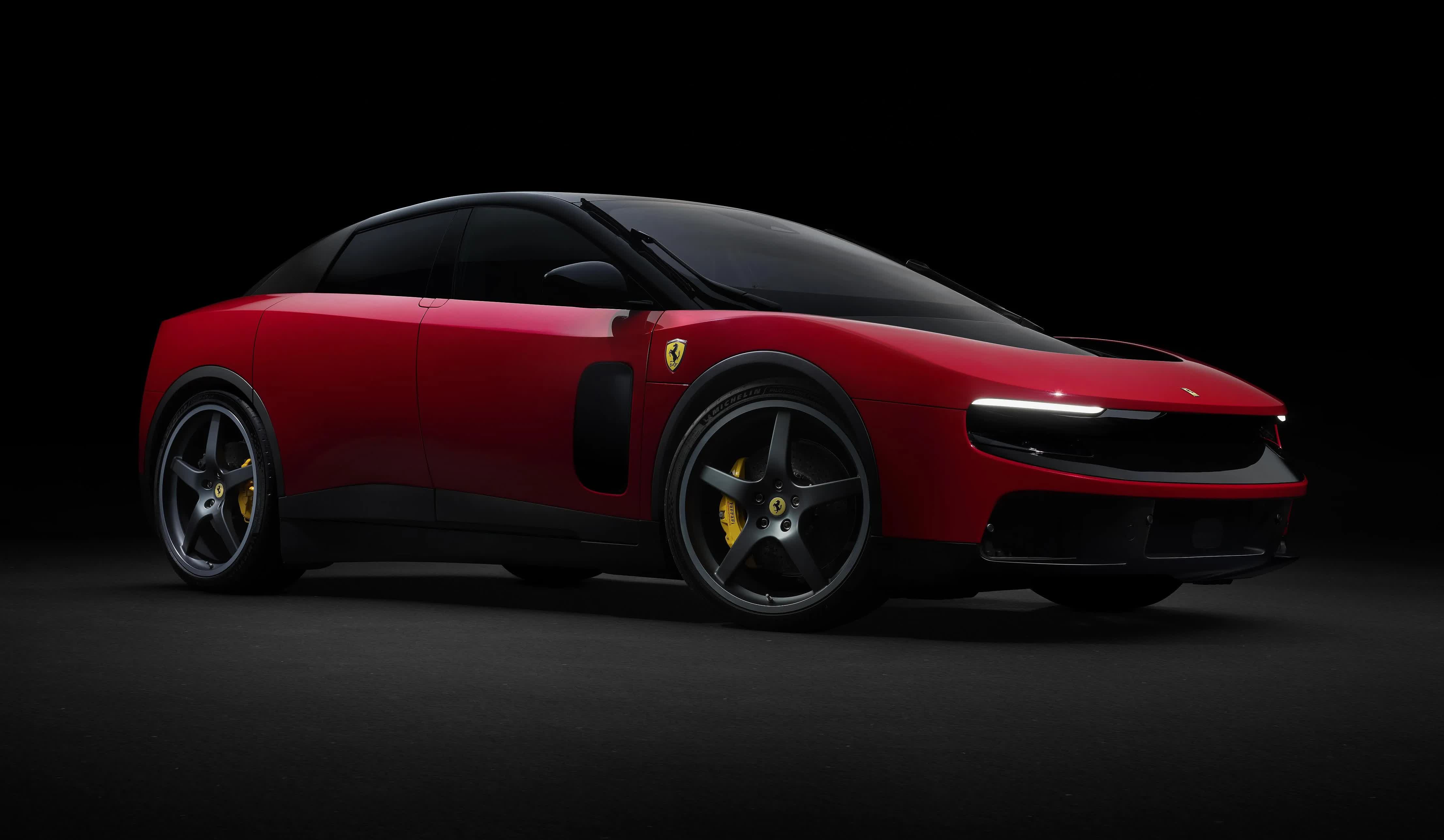
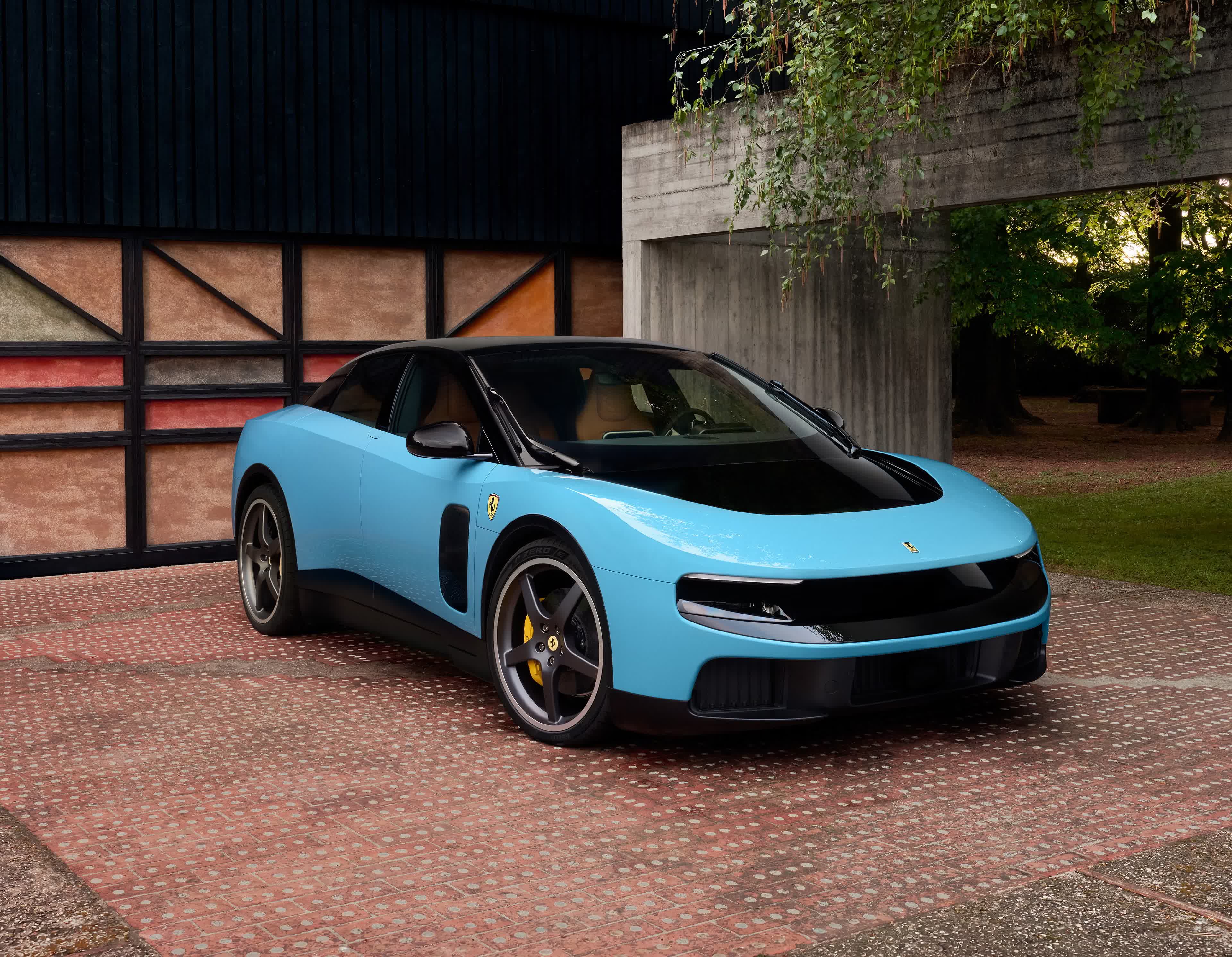
A hot potato: Ferrari's long-awaited move into fully electric vehicles landed with an immediate financial jolt. Shares in the company dropped about 8% after the debut of the Luce, wiping out more than $5 billion in market value and signaling investor unease with both the design and the broader strategy. The reaction didn't stop with investors. Within hours of the unveiling, criticism spread across social media, owner forums, and even into Italian politics.
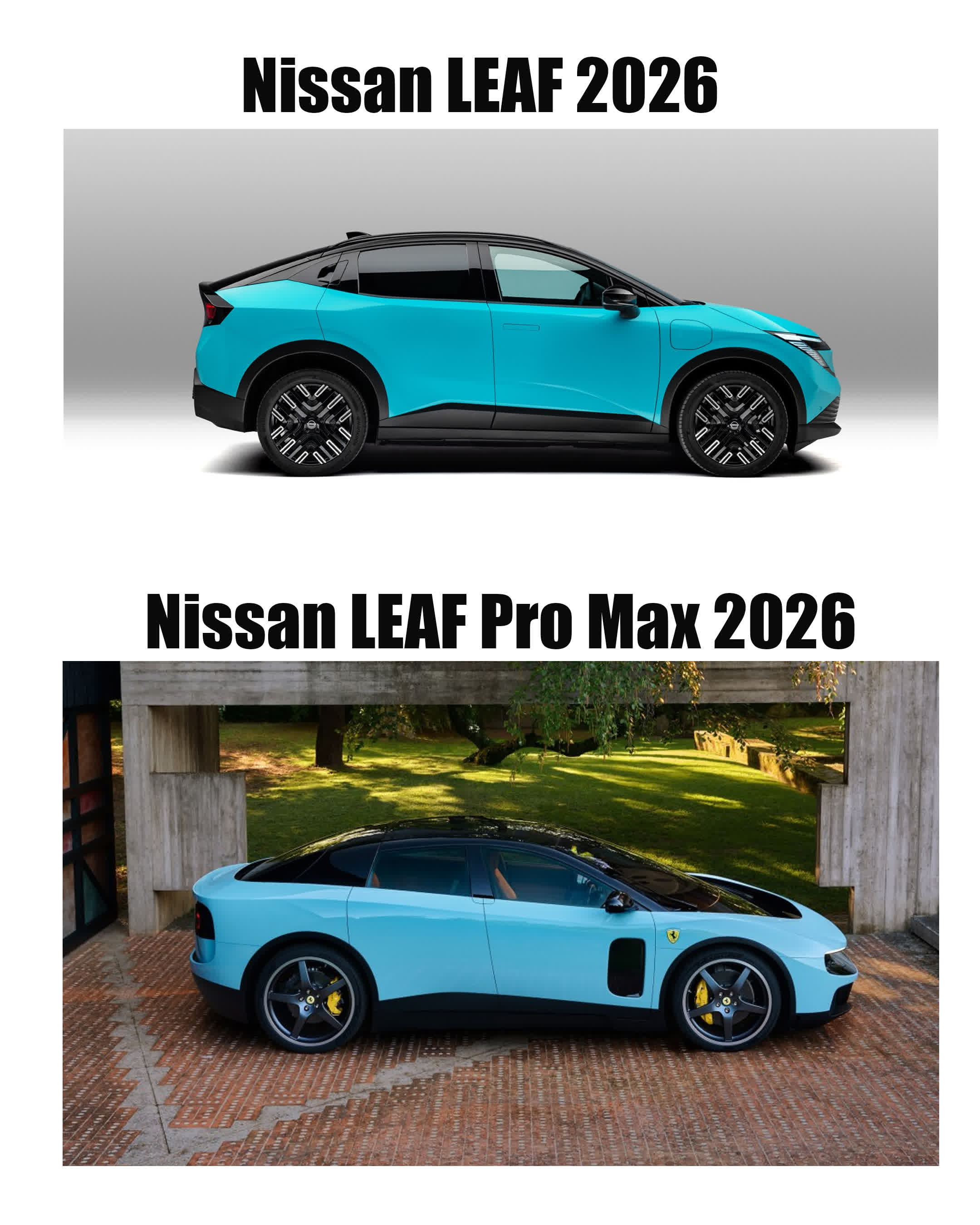
Matteo Salvini, Italy's deputy prime minister and transport minister, weighed in publicly, writing on X: "It looks nothing like a (Ferrari). Is this supposed to be 'innovation'? Who knows what (company founder) Enzo Ferrari would say." That kind of response shows how far the Luce departs from Ferrari's established identity.
In the same post, a video of former Ferrari boss Luca Cordero di Montezemolo is seen lamenting on the Luce: "If I said what I really think, I'd harm Ferrari. We're risking the destruction of a myth, I'm very sorry about that. I hope they at least remove the Prancing Horse from that car."
The Luce is Ferrari's first fully electric model, its first five-seater, and the most expensive of its non-supercar cars, with a starting price around €550,000 ($640,000).
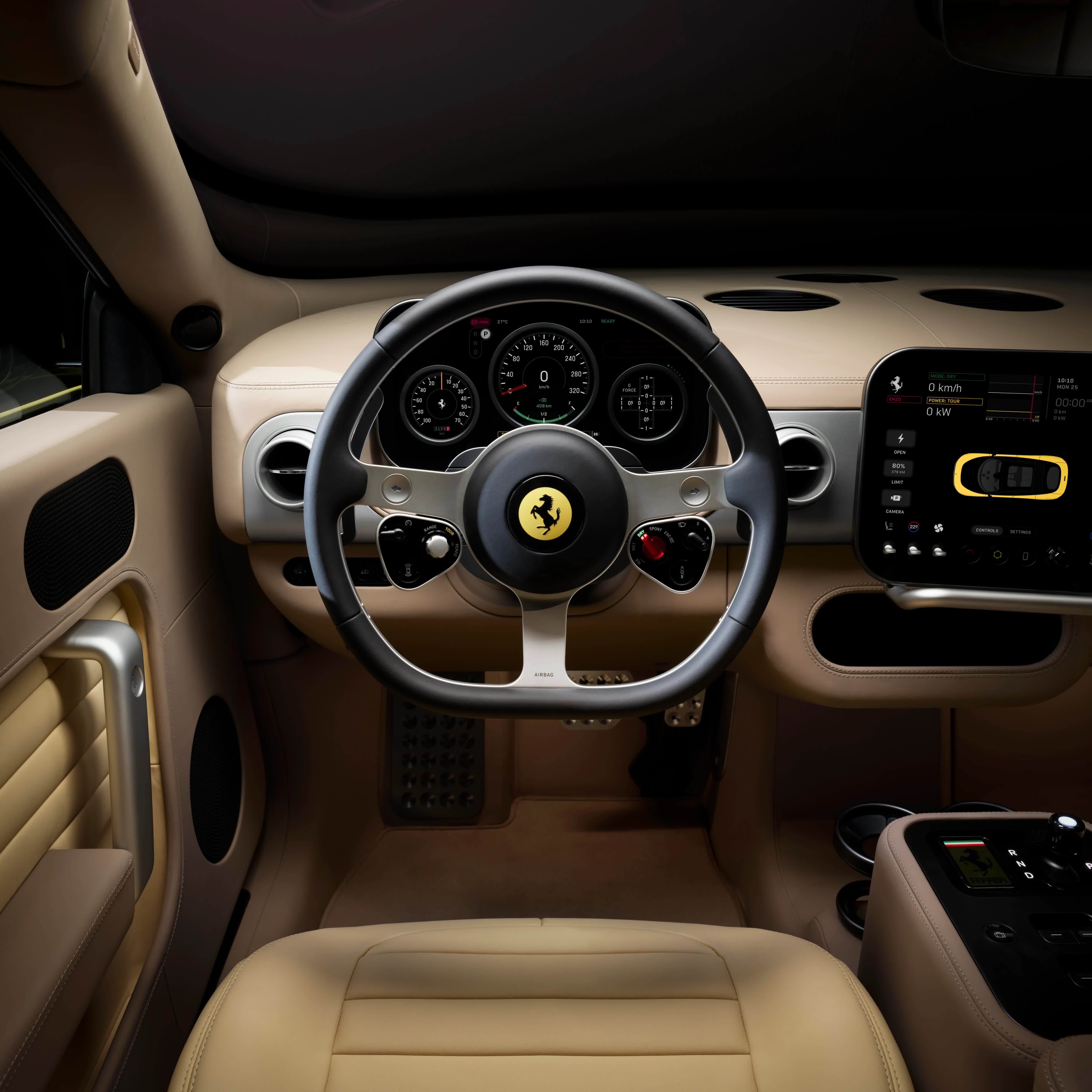
It was developed with help from former Apple design chief Jony Ive and his firm LoveFrom, a partnership reflected in the Luce's glass-heavy design and more open interior layout.
Beneath the styling lies a heavy engineering lift. The Luce uses four electric motors and a low center of gravity, a setup meant to keep handling sharp even with the weight of its batteries. Ferrari also worked on sound, with the motors and components producing a noise inspired by an electric guitar, a deliberate nod to the emotional role once filled by its combustion engines.
Those technical decisions reflect a broader challenge facing high-end EVs: how to replicate the sensory experience of traditional performance cars in a fundamentally different architecture. Ferrari appears to be leaning into that problem rather than avoiding it.
– Matteo Salvini (@matteosalvinimi) May 26, 2026
Company leadership has been direct about the risks. Chief Executive Benedetto Vigna described the project as intentionally provocative, writing on LinkedIn that "Real innovation is not democratic. Breakthrough ideas rarely emerge from immediate consensus." Chairman John Elkann framed the Luce as "definitely a car of the future," suggesting the company sees this less as an extension of its lineup and more as a reset.
Not everyone is convinced. Former Ferrari chairman Luca di Montezemolo was sharply critical, telling the Financial Times, "We risk destroying a legend, and I'm truly sorry about that." He added, "At least, I hope they take the horse off that car." Among longtime Ferrari owners, the response has been similarly blunt.
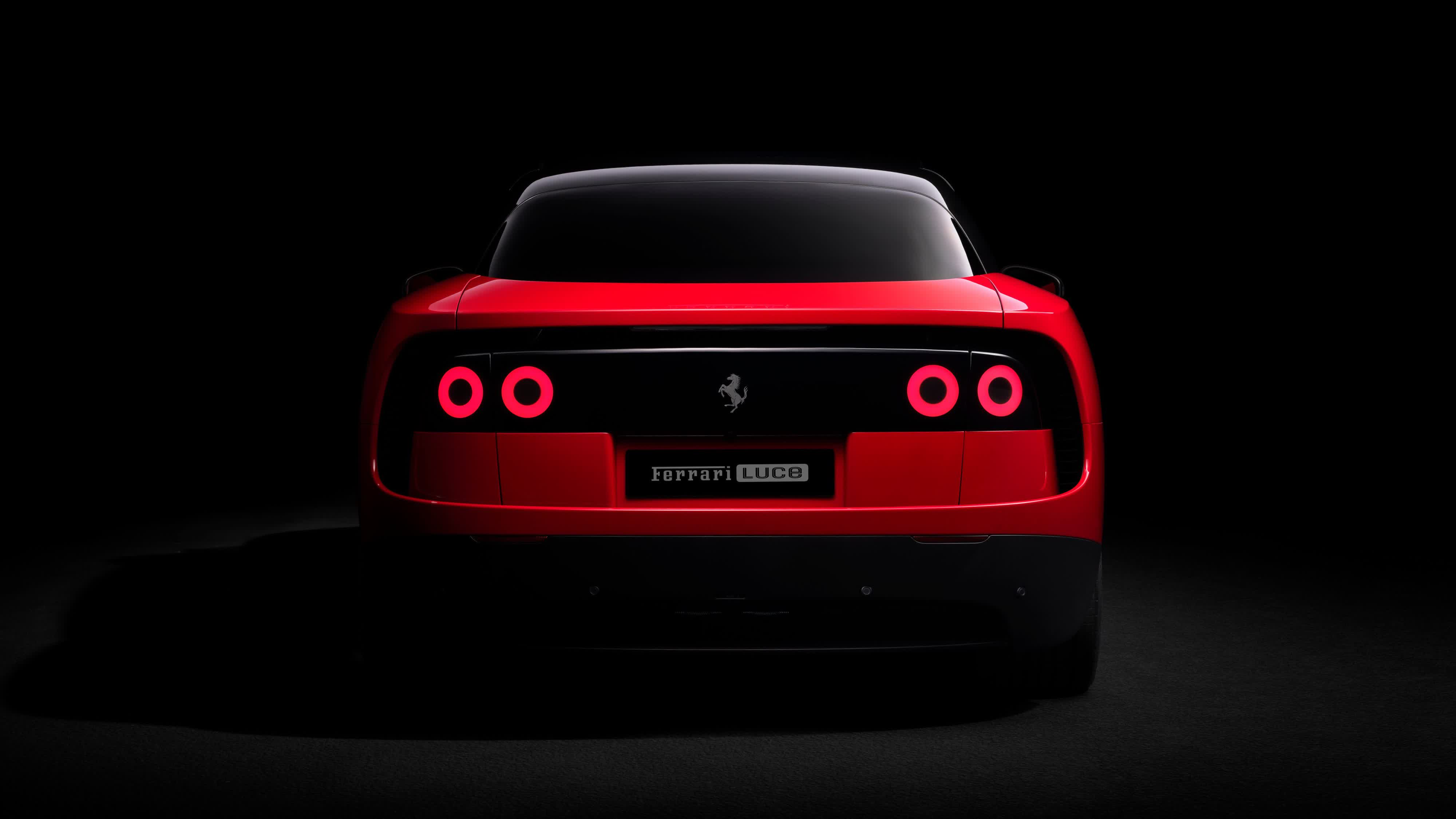
Luc Poirier, a Montreal-based collector with more than 40 Ferraris, reacted to the design by telling the Wall Street Journal, "Oh boy, how ugly she is," and questioned the price point: "How (do you) justify a 400,000 to 500,000 price for this? Unbelievable."
Even so, not all of the feedback has focused on aesthetics. Some early interest has centered on how the car performs rather than how it looks. Jim Meek, chairman of the Ferrari Club of America, said that while skepticism is widespread, "They're anxious to see what it looks like in person, and more interested to see how it drives."
That distinction may matter. Ferrari is entering the electric market at a time when demand – especially at the high end – has become less certain. Several competitors have already scaled back or delayed EV plans after overestimating consumer appetite. Ferrari has adjusted its expectations, now targeting fully electric models to account for 20% of its lineup by 2030, down from earlier ambitions.
The Luce also appears aimed at a different kind of buyer. Analysts say Ferrari is looking beyond its traditional base and toward new customers, particularly in tech circles. The pricing, design, and collaboration with Ive all point in that direction.
For now, the early response suggests Ferrari has succeeded in one respect: getting attention. Whether that translates into sustained demand is less clear. As Bernstein analyst Stephen Reitman put it, "If Ferrari builds the car, the clients will come. That has been the Ferrari Way."
The Luce will test whether that formula still holds when the engine noise – and much of what defined the brand for decades – is gone.