What just happened? Samsung's attempt to head off a potentially disastrous strike by offering chip workers an enormous one-time bonus appears to have fallen flat. The National Samsung Electronics Union is reportedly close to accepting a 13% allocation of the semiconductor division's operating profit, worth around $340,000 per employee, but only if the payout becomes an annual guarantee rather than a one-off sweetener.
It's the latest escalation in a dispute that began with Samsung workers demanding a direct share of the money generated by the AI memory boom.
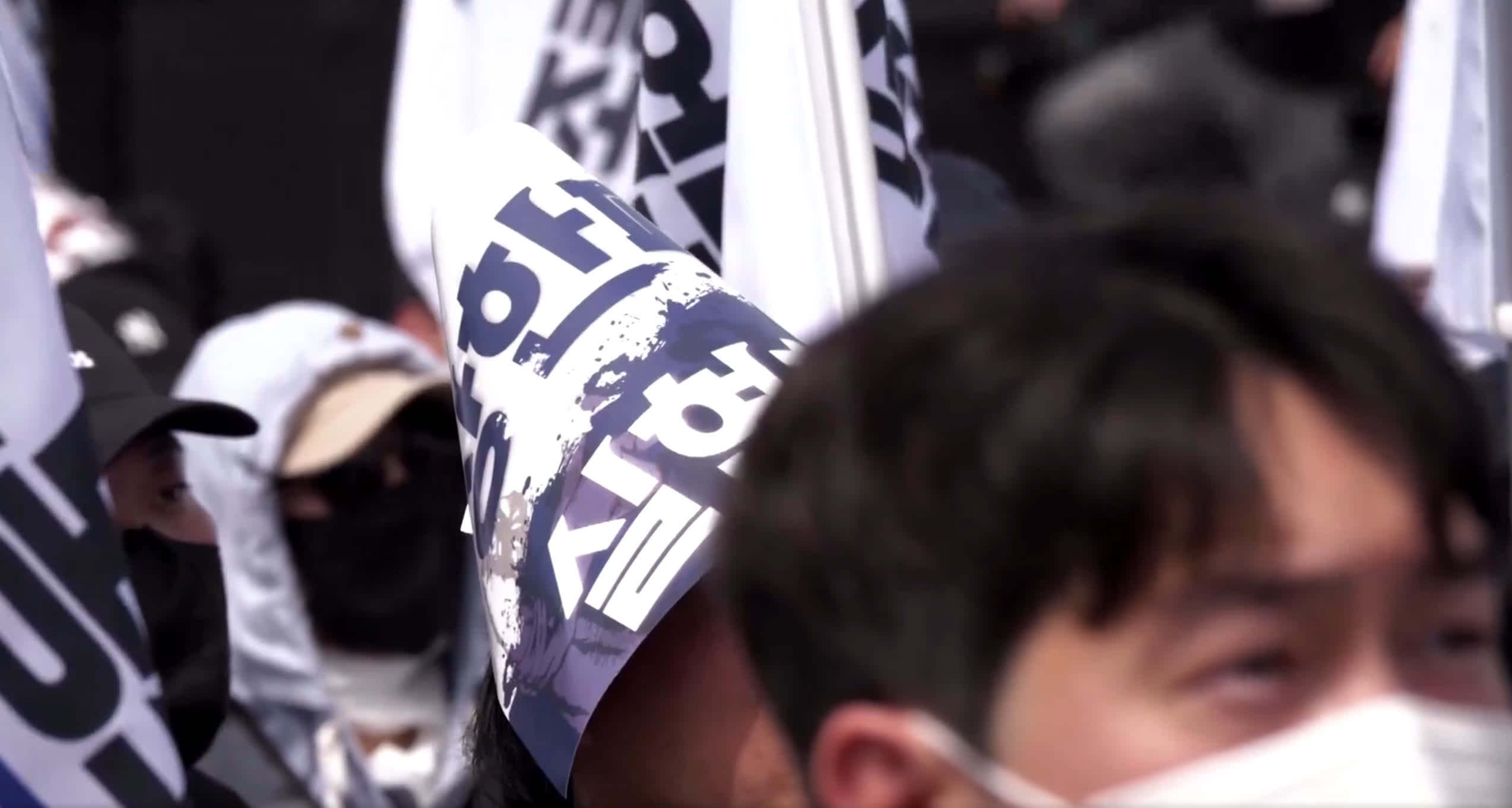
As reported last month, around 30,000 employees rallied at the company's Pyeongtaek campus, threatening an 18-day strike from May 21 to June 7 if management failed to meet their demands. The union originally called for 15% of operating profit, the removal of Samsung's 50% performance bonus cap, and a 7% wage increase.
The reason for the anger is easy to understand. Demand for DRAM and high-bandwidth memory has exploded as AI companies scramble to secure enough chips – causing the high component prices that are infuriating consumers.
Samsung's chip workers are watching SK Hynix employees earn nearly $900,000 in profit sharing. They want the same deal
Samsung workers have been watching SK Hynix employees with envy. The smaller rival, which has taken an early lead in HBM production for Nvidia's AI accelerators, has a profit-sharing system that could see employees receive around $477,000 this year and close to $900,000 next year.
Samsung's union argues that a single $340,000 payout, while huge by almost any normal standard, leaves its members far behind their counterparts at its closest rival.
– Reuters (@Reuters) April 23, 2026
Samsung has reportedly pushed back with a 10% allocation, a 6.2% pay increase, and other benefits, including preferential mortgage rates. Talks have since moved closer to a 13% figure. But the sticking point is company's reluctance to turn that into a recurring obligation.
Samsung will be desperate to avoid a strike, especially right now. A previous one-day action caused production at one of its fabs to plunge by 58% during a night shift, and analysts warn that a full 18-day walkout could cost the company between $6.9 billion and $11.7 billion in direct losses. Indirect costs, including delayed HBM4 shipments and damage to the company's reputation, could be even larger.
The dispute also highlights a growing problem for Samsung's "One Samsung" philosophy. Chip workers want rewards that reflect record semiconductor profits, while employees in smartphones, TVs, and appliances are operating in divisions being hurt by higher component costs. A smaller consumer electronics union has already pulled out of the joint strike, leaving Samsung's AI windfall fight mostly in the hands of chip workers.