
A hot potato: A proposed Amazon data center in Texas has sparked concerns that its massive on-site power plant could become the single-largest source of pollution in the US, threatening to affect local communities, farmland, and small businesses. The facility is planned for Pecos County as part of Amazon's growing push into AI and cloud services.
In a statement to The New York Times, an Amazon spokesperson said the data center will be powered entirely by an on-site power plant, ensuring it won't raise electricity costs for local residents. The plant is expected to run on natural gas, with 35 turbines combining to generate up to 7.65 gigawatts of power.
The facility has regulatory approval to release up to 33 million tons of carbon dioxide per year, which would make it the largest single source of greenhouse gas emissions in the US – more than any other factory or power plant nationwide.
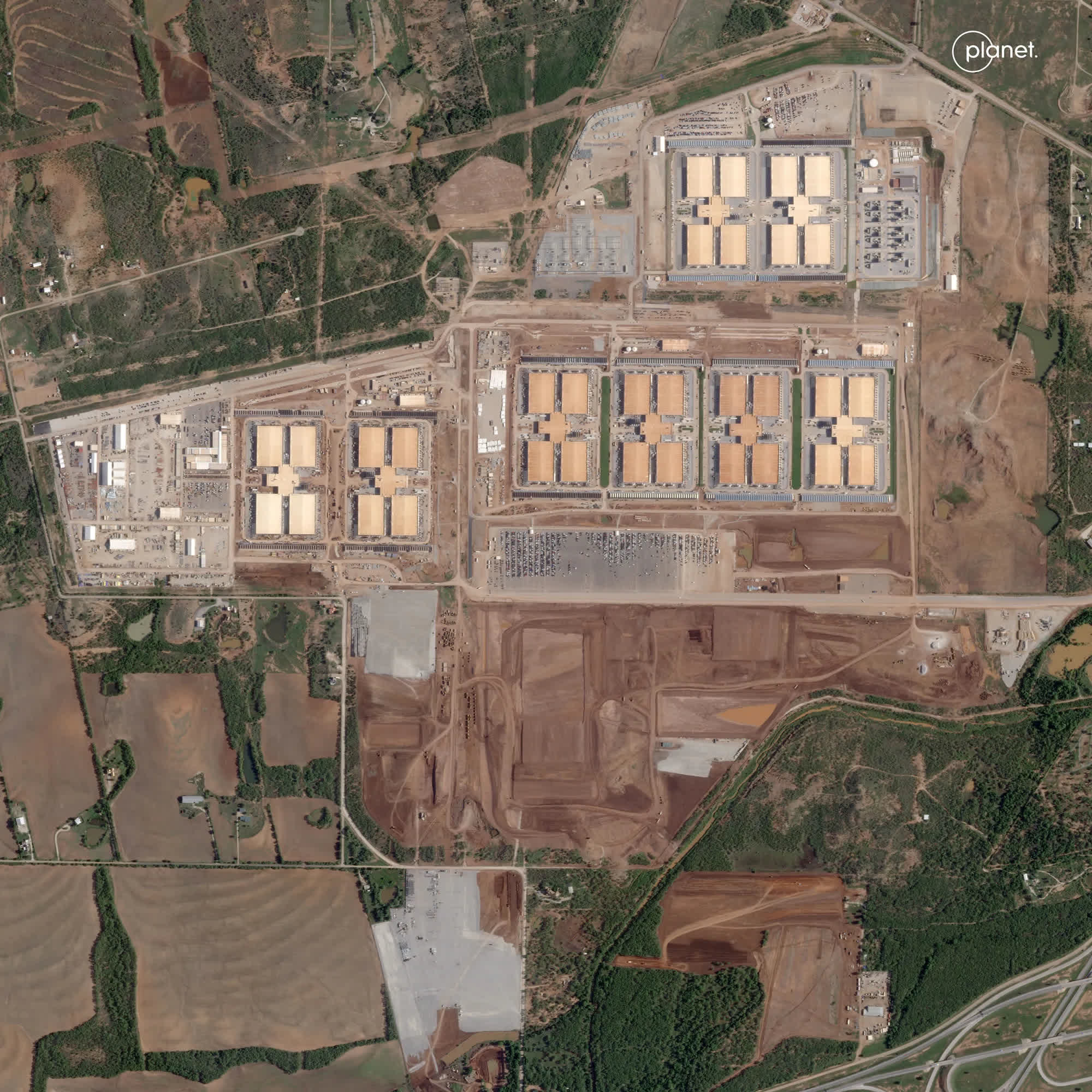
Critics say the permitted emissions level is far too high, noting that the projected output would rival the total emissions of entire countries, including Switzerland, Ireland, and Bulgaria.
Notably, Amazon co-founded The Climate Pledge in 2019, promising to reach net-zero carbon emissions by 2040. Since then, though, its emissions have climbed sharply: the company's emissions tied to purchased electricity rose 34% in 2025 alone.
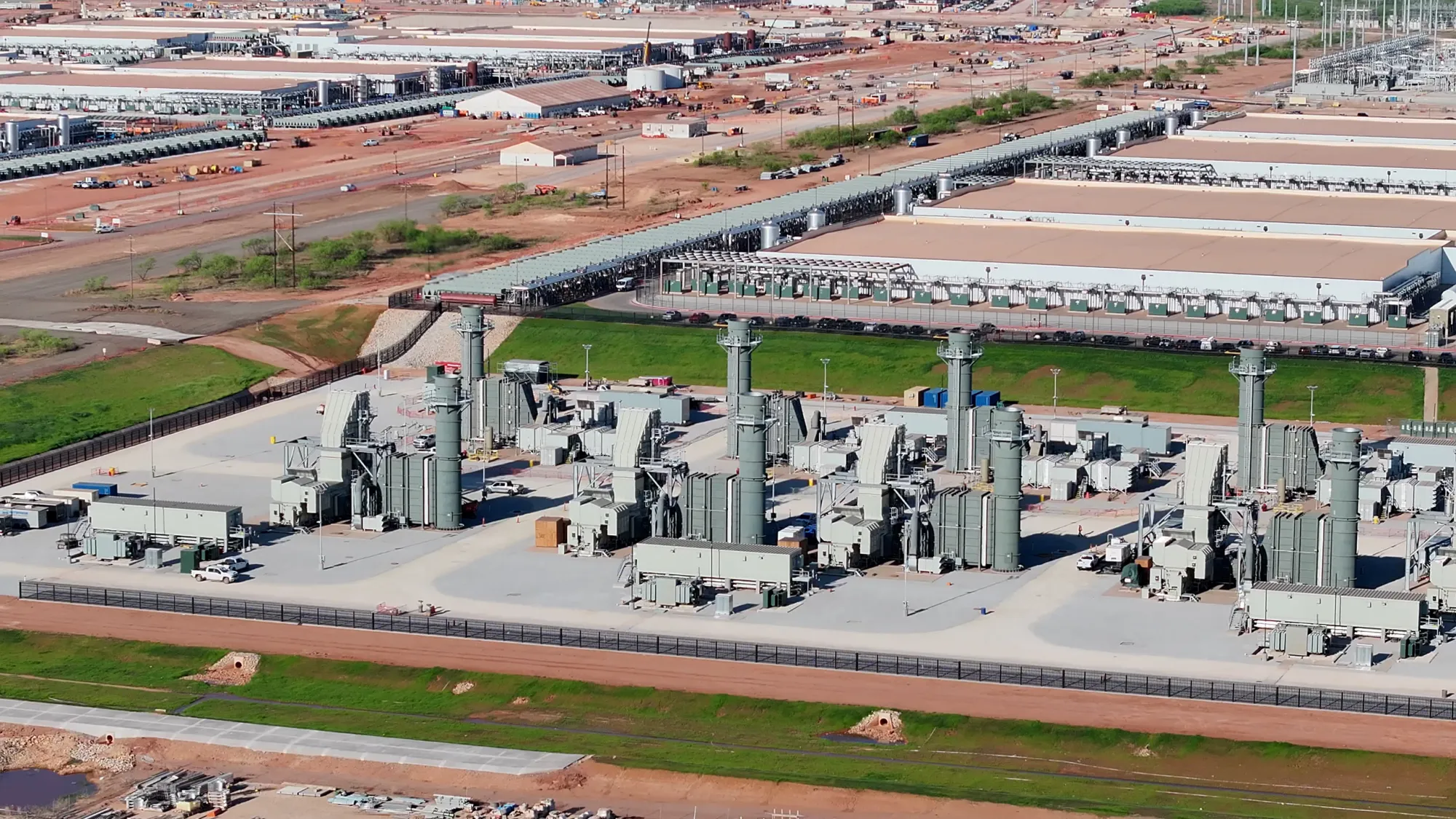
Asked about the pledge, Amazon spokeswoman Margaret Callahan told the Times that "the world looks different now than when we co-founded the climate pledge," but added that "our commitment [to a carbon-neutral future] hasn't changed."
The Pecos County plant falls under the so-called "Ratepayer Protection Pledge," which requires tech companies to source their own power for new AI data centers rather than drawing from existing grids.

The pledge was signed last March at the insistence of President Trump by several leading American tech companies, including Google, Microsoft, Meta, Amazon, Oracle, OpenAI, and xAI.
US investment in data center infrastructure hit record levels last year, and as major tech companies continue pouring money into AI, demand for electricity is expected to keep climbing sharply in the years ahead.