
What just happened? A court in Korea has just given Samsung Electronics breathing space as the threat of a strike that could exacerbate the memory crisis approaches. The ruling comes as the company faces what could be the largest walkout in its history, one involving more than 45,000 workers and billions of dollars in disputed bonuses.
The Suwon District Court has partially approved Samsung Electronics' request for an injunction against labor actions planned by its unions. The ruling says any strike must not disrupt production, damage materials or finished products, or interfere with safety-related operations. Workers are also barred from blocking access to company sites or occupying facilities.
The ruling is a major blow to the unions ahead of an 18-day strike scheduled to begin on May 21. The action comes as the AI boom continues to fuel a crushing shortage of memory chips, which has pushed up profits for Samsung and its rivals.
The court did not ban the strike outright, despite some reports framing it that way. The unions can still walk out, but the ruling makes it much harder for them to hit Samsung's chip production. Violations could cost the two main unions $72,000 per day, while union leaders face daily fines of 10 million won ($6,683).
As we reported earlier this month, Samsung workers rejected a bonus package that could have been worth about $340,000 per employee – they want the bonus every year, not just as a one-off.
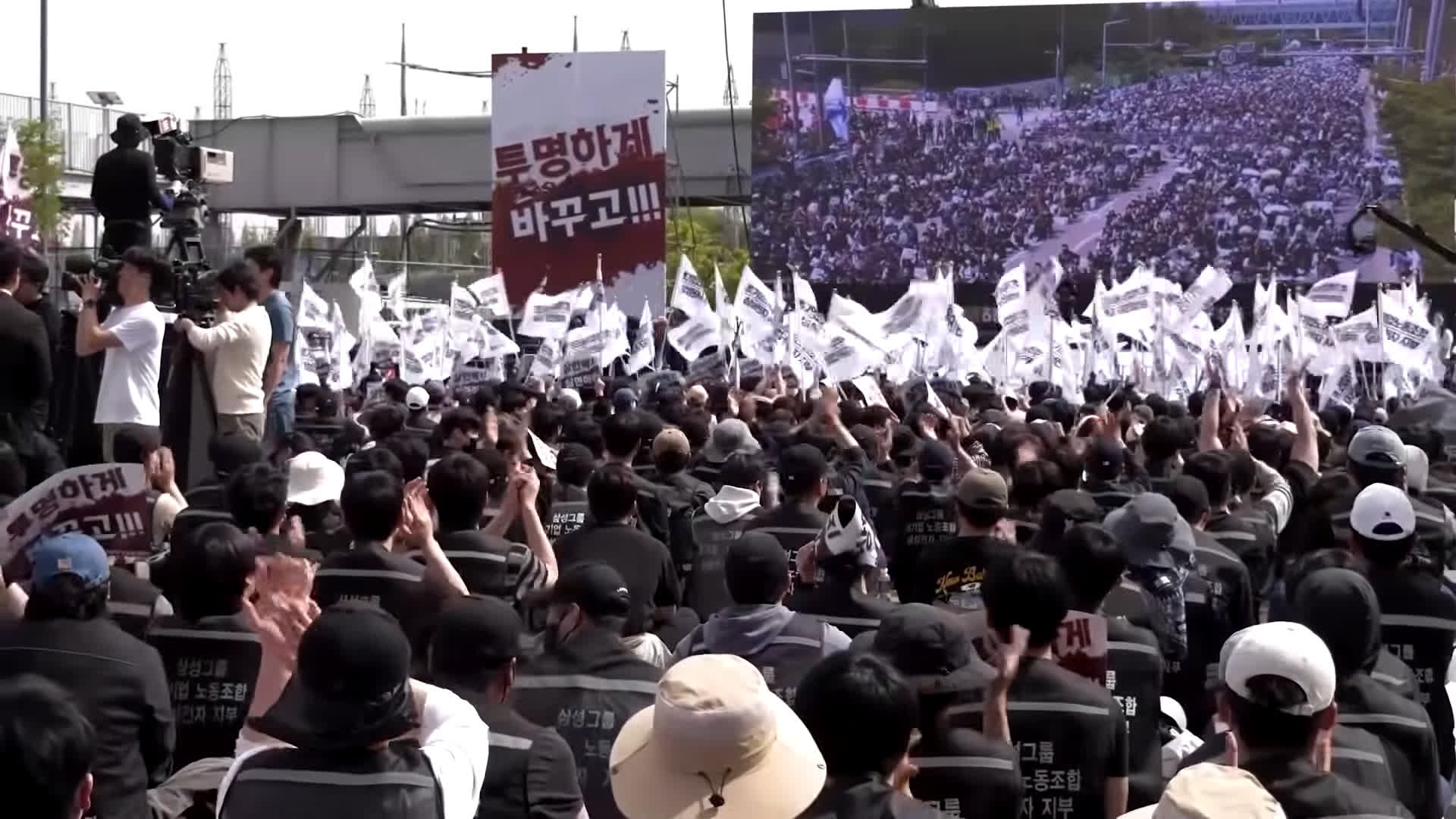
The employees' frustration centers on the gap with rival SK Hynix, whose workers are enjoying much larger payouts thanks to its dominance in HBM for Nvidia's AI accelerators.
The unions are demanding that Samsung set aside 15% of its semiconductor operating profit for performance bonuses and remove the current 50% performance bonus cap. Depending on profits, that could create a bonus pool worth tens of billions of dollars, with some estimates putting the figure as high as $30 billion.
Samsung and union representatives resumed government-mediated talks on Monday in what looks like the last serious attempt to avoid the walkout.
South Korea's government is clear about how badly it wants a deal. Prime Minister Kim Min-seok has said Seoul will pursue all options, including emergency arbitration, which would suspend industrial action for 30 days.
Kim warned that a single day of halted semiconductor production could cause direct losses of up to 1 trillion won, around $668 million. If wafers and materials already moving through the months-long chipmaking process were ruined, he said the wider economic damage could reach 100 trillion won, or around $67 billion.
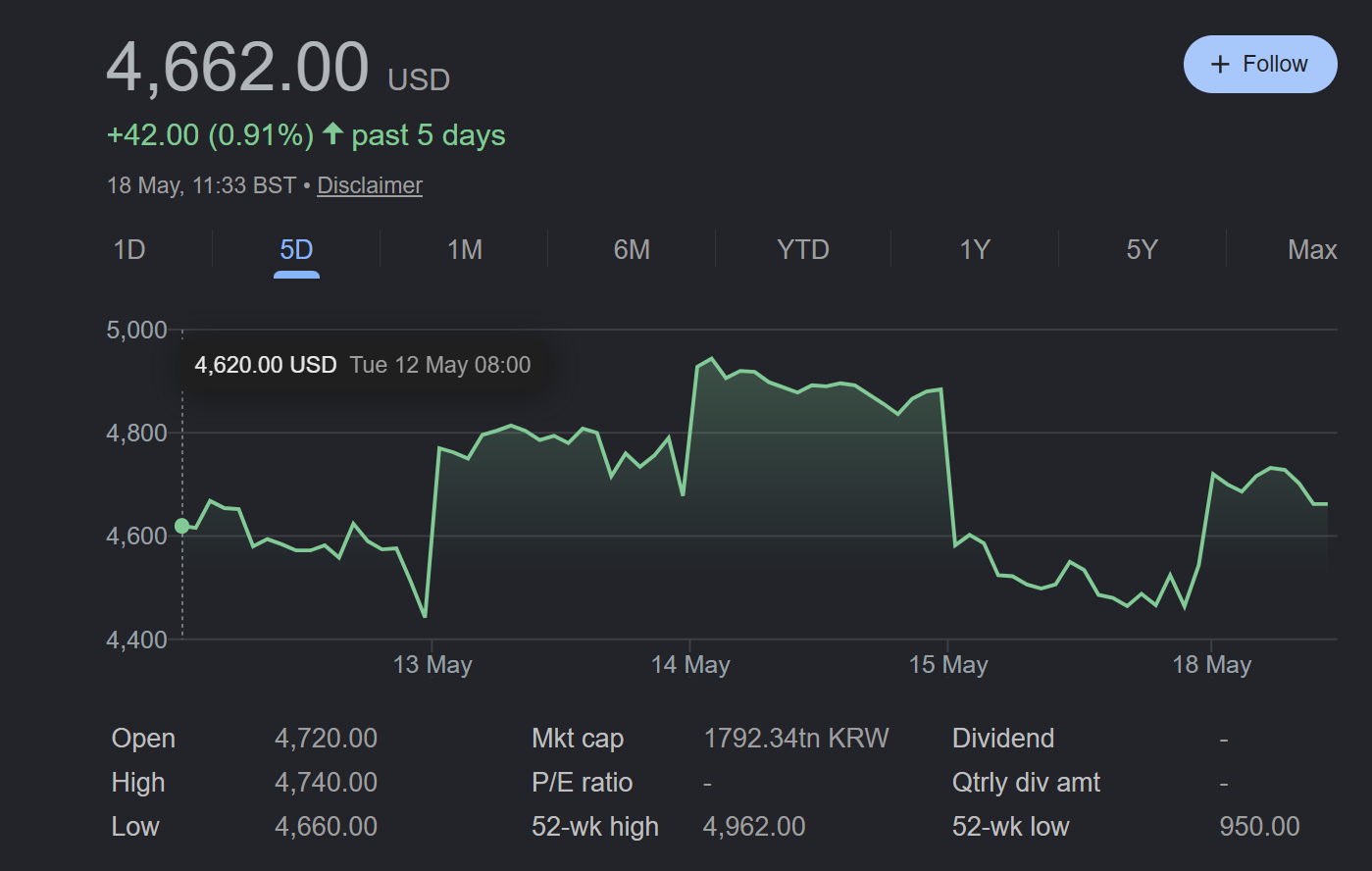
Samsung shares jumped after the injunction, suggesting investors believe the worst-case strike scenario is now less likely.