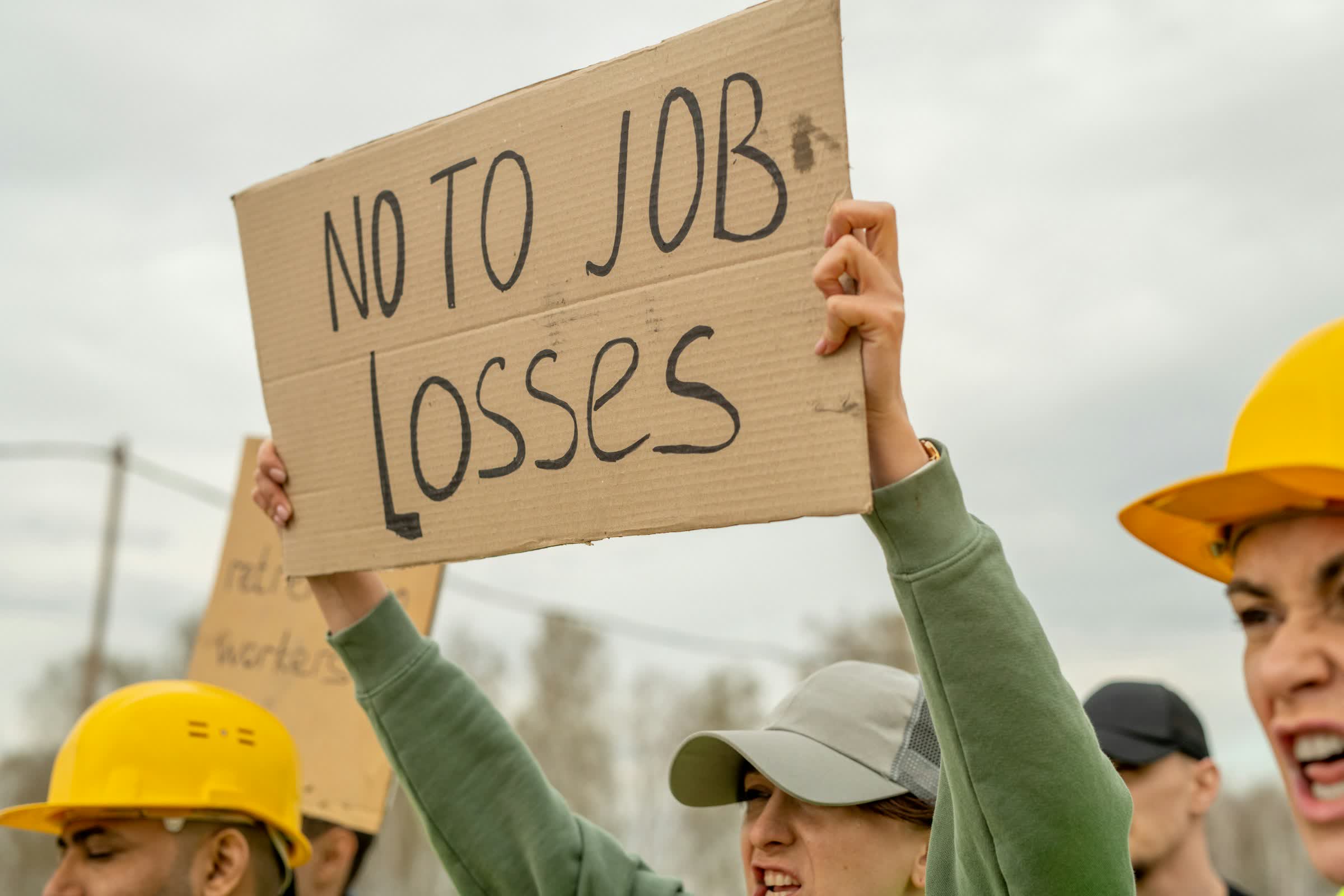
A hot potato: Still think the AI-driven jobs apocalypse has been overblown? A new report that interviewed almost 1,000 executives found that 99% expect AI to lead to layoffs in the short term. Moreover, most executives believe that redesigning work to incorporate AI and automation will drive the greatest returns, while just 32% say their workforce can optimally combine human and machine capabilities.
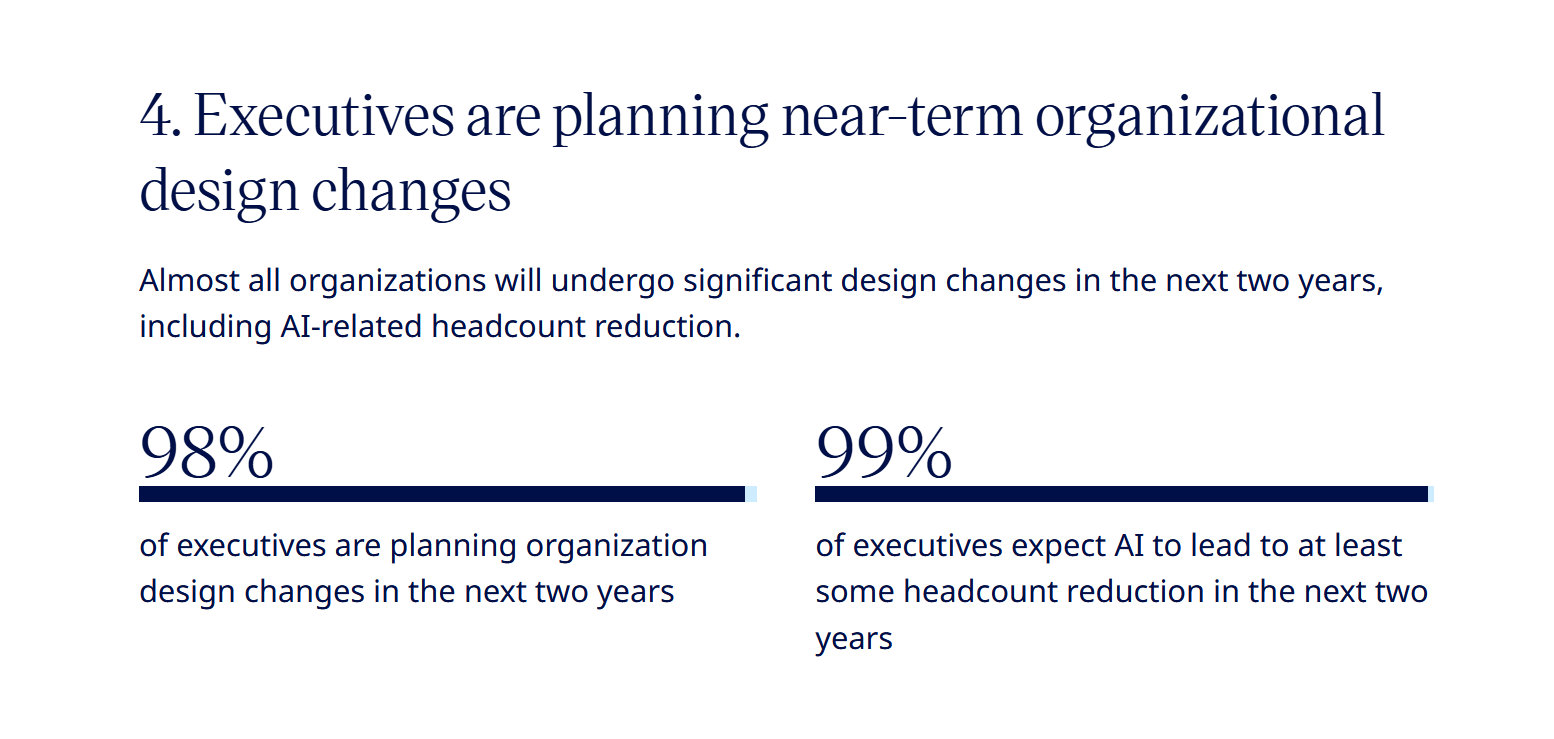
Consulting firm Mercer's Global Talent Trends report covers several AI-related topics. The most depressing finding is that virtually every one of the 825 C-suite leaders who participated expects AI to lead to at least some headcount reduction in the next two years.
It was recently reported that tech sector job losses in early 2026 have already surged past 100,000, with AI being a major factor in most cases. Unfortunately, this latest survey suggests we might not have seen the worst of it.
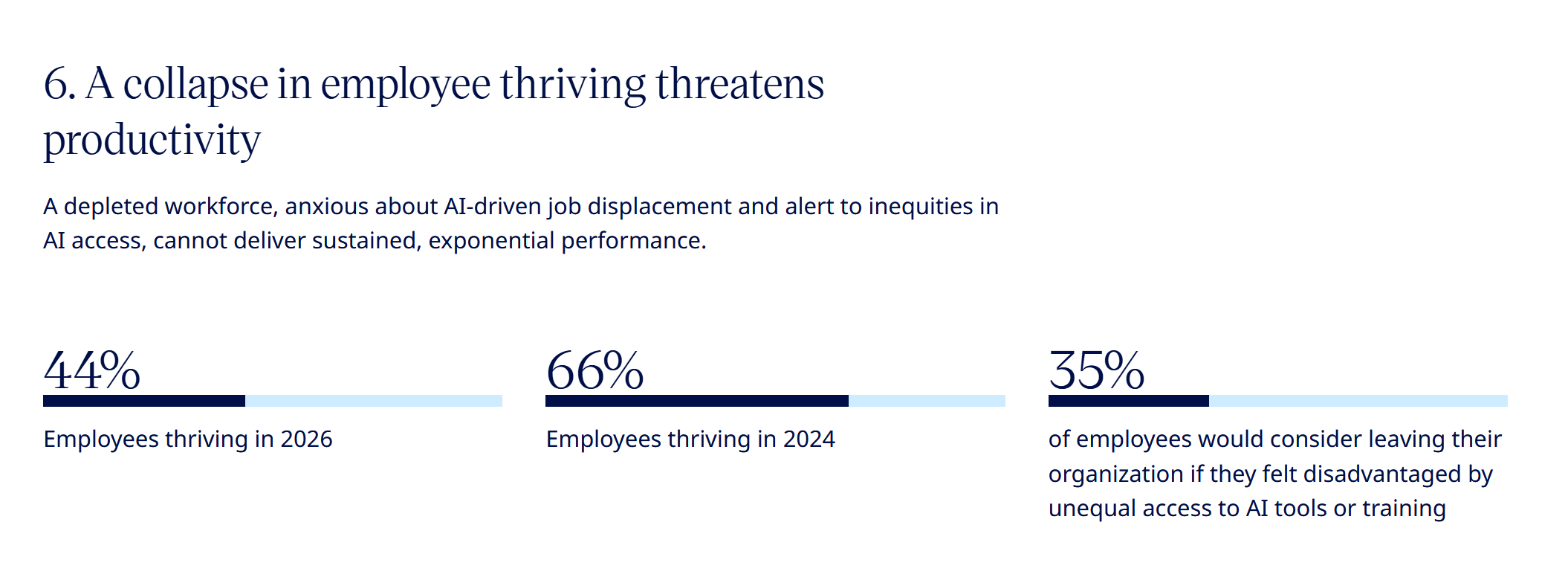
Interestingly, the report also found that a depleted workforce, worries about AI-driven job displacement, and concerns over inequities in AI access have led to a collapse in the number of employees "thriving." The figure was at 66% in 2024 and has fallen to 44% in 2026. Also, 35% of employees would consider leaving their organization if they felt disadvantaged by unequal access to AI tools or training. This declining motivation is fueling a fall in productivity.
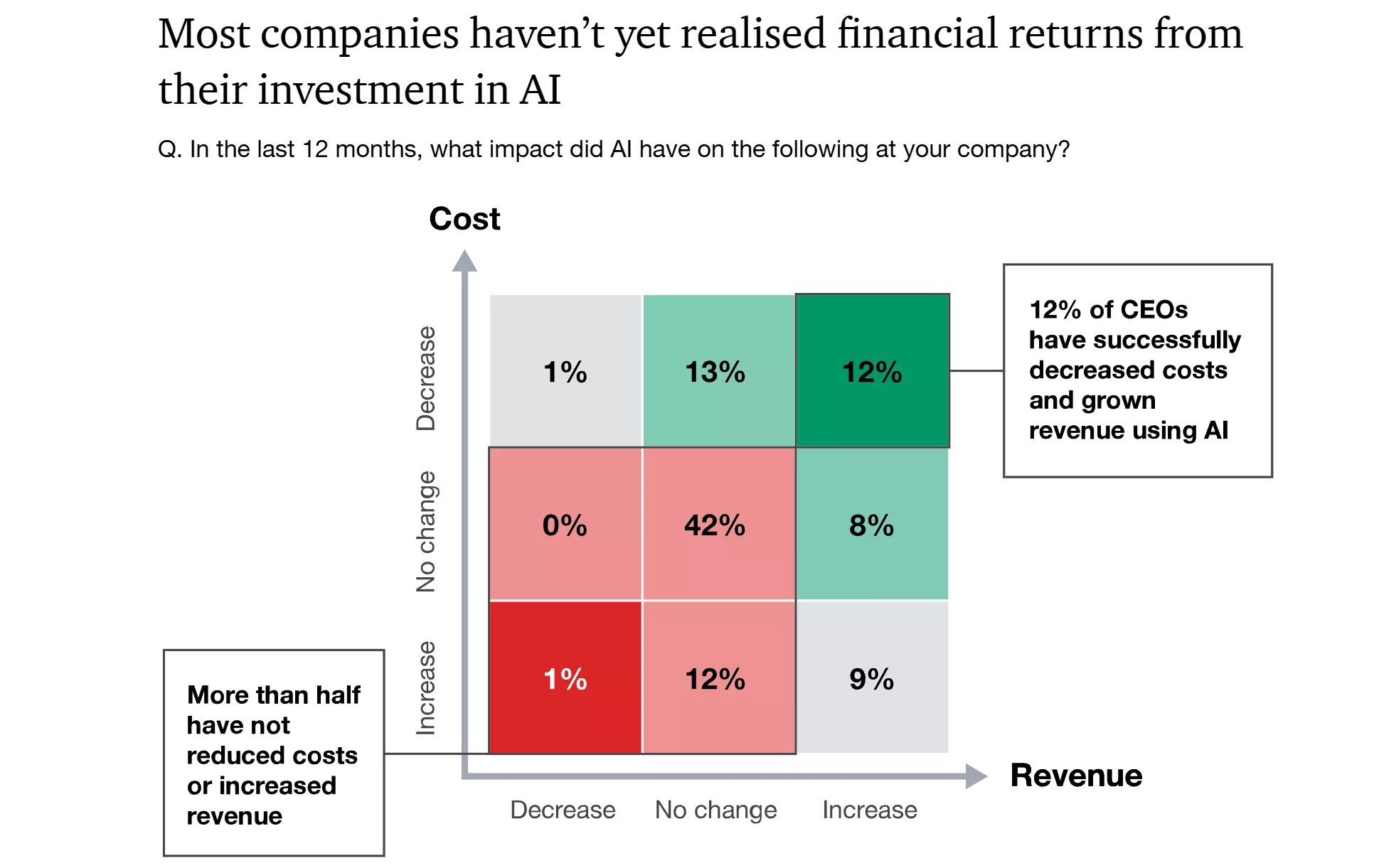
Somewhat paradoxically, 63% of executives believe redesigning work around AI and automation will deliver the greatest returns. That optimism seems a little misplaced given a January survey that found more than half of CEOs who had adopted AI had not seen reduced costs or increased revenue as a result.
When companies first started embedding AI more widely, executives constantly talked about the technology augmenting and helping humans, rather than replacing them. Today, firms such as Block and Meta are more candid about AI-related layoffs, something reflected in the survey: just over three out of 10 execs think their workforce can optimally combine human and machine capabilities.
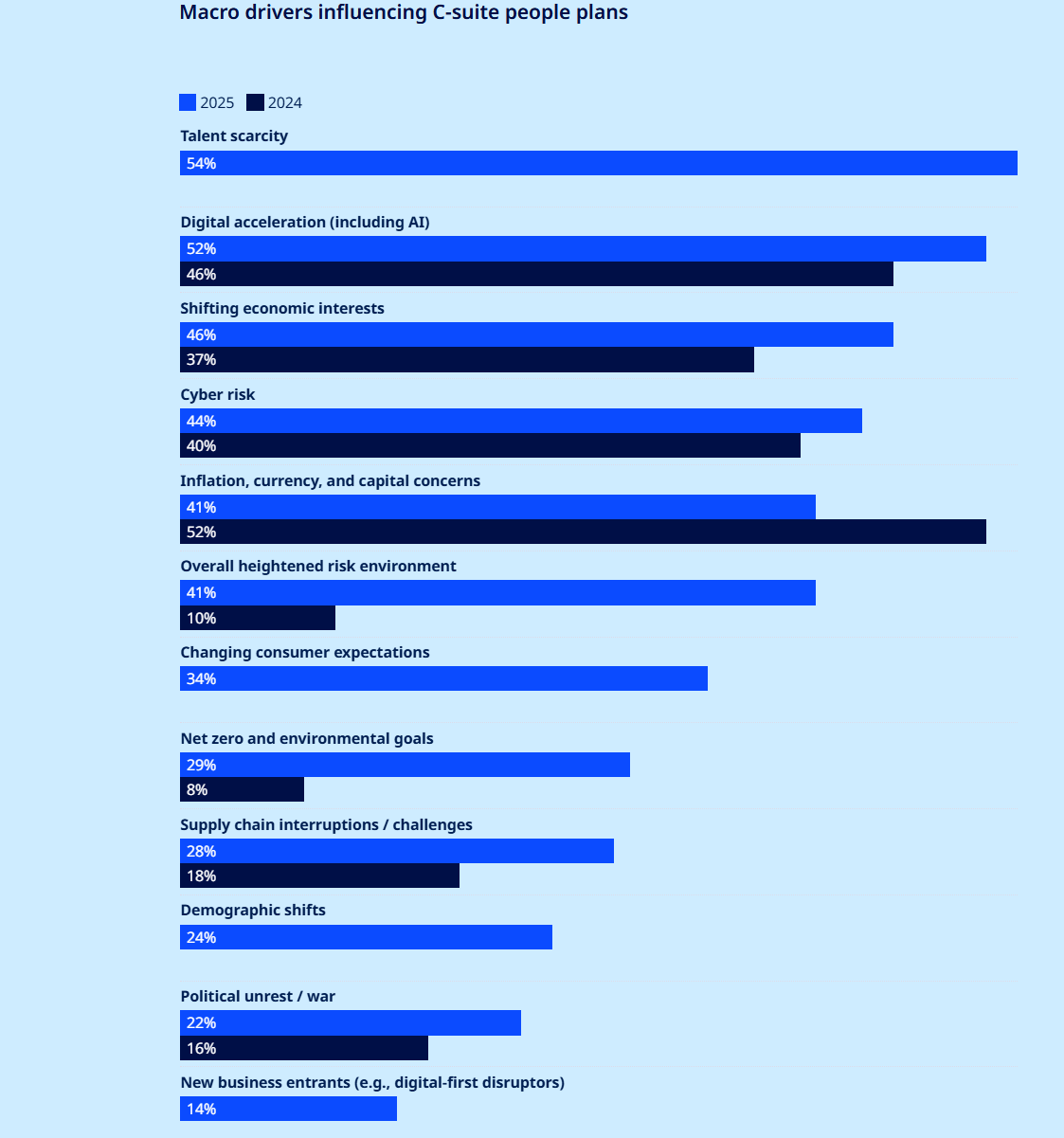
Another part of the survey looked at drivers influencing C-suite people plans. Digital acceleration, including AI, was the second-highest factor. Somewhat ironically, it sat behind talent scarcity – the top driver.
Despite AI becoming increasingly widespread, sentiment toward the technology is not improving. Direct and indirect job losses keep growing, anger over new data centers is increasing, and AI-generated content in almost any medium is often met with public outcry.