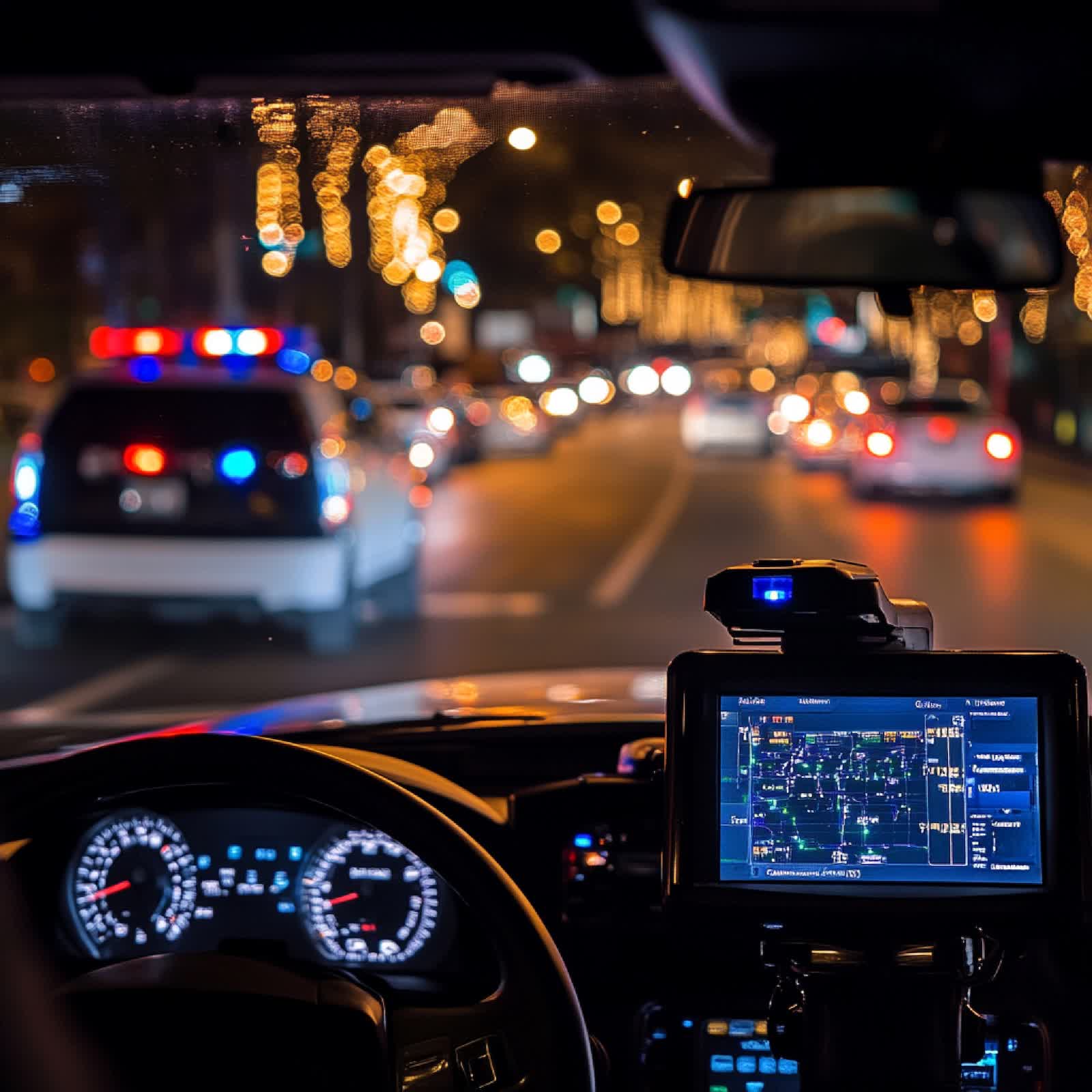
In a nutshell: Cities are collecting vast amounts of vehicle data through AI-powered camera networks, giving police the ability to track a car's movements across jurisdictions in seconds. The same systems are also fueling a growing debate over how much surveillance is too much.
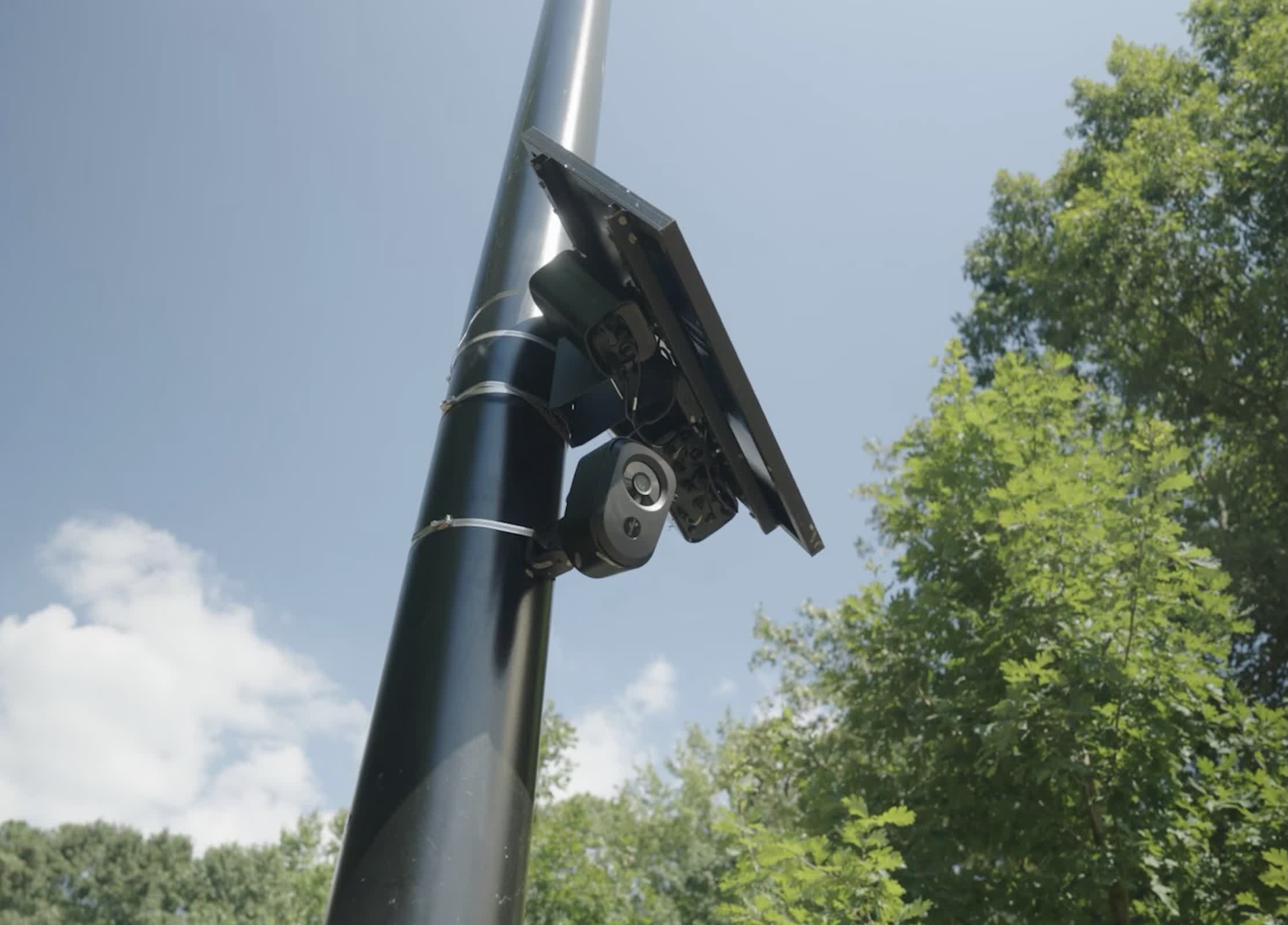
Flock Safety is squarely at the center of that debate. The Atlanta-based company has rapidly expanded by selling automated license plate readers to police departments, neighborhood groups, and private organizations. Its cameras, often mounted inconspicuously on poles, capture images of passing vehicles and convert them into searchable data points. The company says its system logs about 20 billion license plate scans each month.
The technology goes well beyond simply logging plate numbers. Each scan can include details such as a vehicle's color, make, model, and distinguishing features, including bumper stickers or gun racks. That information is stored in a cloud-based system, where law enforcement agencies can run searches using full or partial license plate numbers or even descriptive terms.
In practice, the system functions as a pattern-matching tool. Officers can reconstruct a vehicle's recent movements, set alerts for cars tied to investigations, and, where policies allow, search data collected by agencies in other jurisdictions. Flock says its cameras do not use facial recognition and that images are deleted after about 30 days by default unless a different retention policy is in place.
Police departments have embraced those capabilities. Flock CEO Garrett Langley said the system played a role in about one million arrests last year. "I don't go a day without meeting a police chief that says this is the most impactful tool they've ever seen in their career," he told The Wall Street Journal.
But the same features that make the platform effective for investigations are also driving concerns among privacy advocates and some residents. Because the cameras capture data on every passing vehicle, critics argue they enable a form of continuous, indiscriminate tracking rather than targeted surveillance.
"We should be using what is essentially a mass surveillance technology only for the worst possible crimes," said Chad Marlow, senior policy counsel with the American Civil Liberties Union.
The debate has taken on particular intensity in places like Troy, New York, where a network of 26 cameras has sparked public backlash. At a city council meeting that stretched past midnight, residents accused officials of enabling a "dystopian hellscape."
One speaker said, "As a Troy resident, I am appalled that our own mayor, our own administration, can essentially write off the rights of a significant portion of people who pay their salaries."
Mayor Carmella Mantello pushed back, pointing to cases in which the cameras helped solve crimes and locate missing people. "Guess what?" she said during the meeting. "Your iPhone is more of a surveillance camera than the license plate readers." The remark drew audible frustration from the crowd.
The conflict in Troy is part of a broader national trend. Since early last year, about 50 cities and counties have either canceled their Flock contracts or deactivated the cameras. The pushback cuts across political lines, with opposition coming from both privacy-focused liberals and conservatives wary of government data collection.
In Dayton, Ohio, officials suspended use of their cameras after discovering that outside agencies had accessed local data thousands of times for immigration-related searches. The incident illustrated how data-sharing features, one of the system's key selling points, can also create governance challenges.
Flock argues that much of the criticism stems from misunderstandings about how the technology works. "People walk by it every day, and they don't understand what it actually does," said Max Weinstein, the company's director of public trust and technology. He acknowledged that a centralized database of vehicle data is "an objectively pretty scary concept," but said the company has built in audit systems and other safeguards.
Even so, concerns about misuse persist. Critics point to reports that officers allegedly used the system to track individuals for personal reasons, as well as the broader question of whether long-term vehicle tracking constitutes a warrantless search.
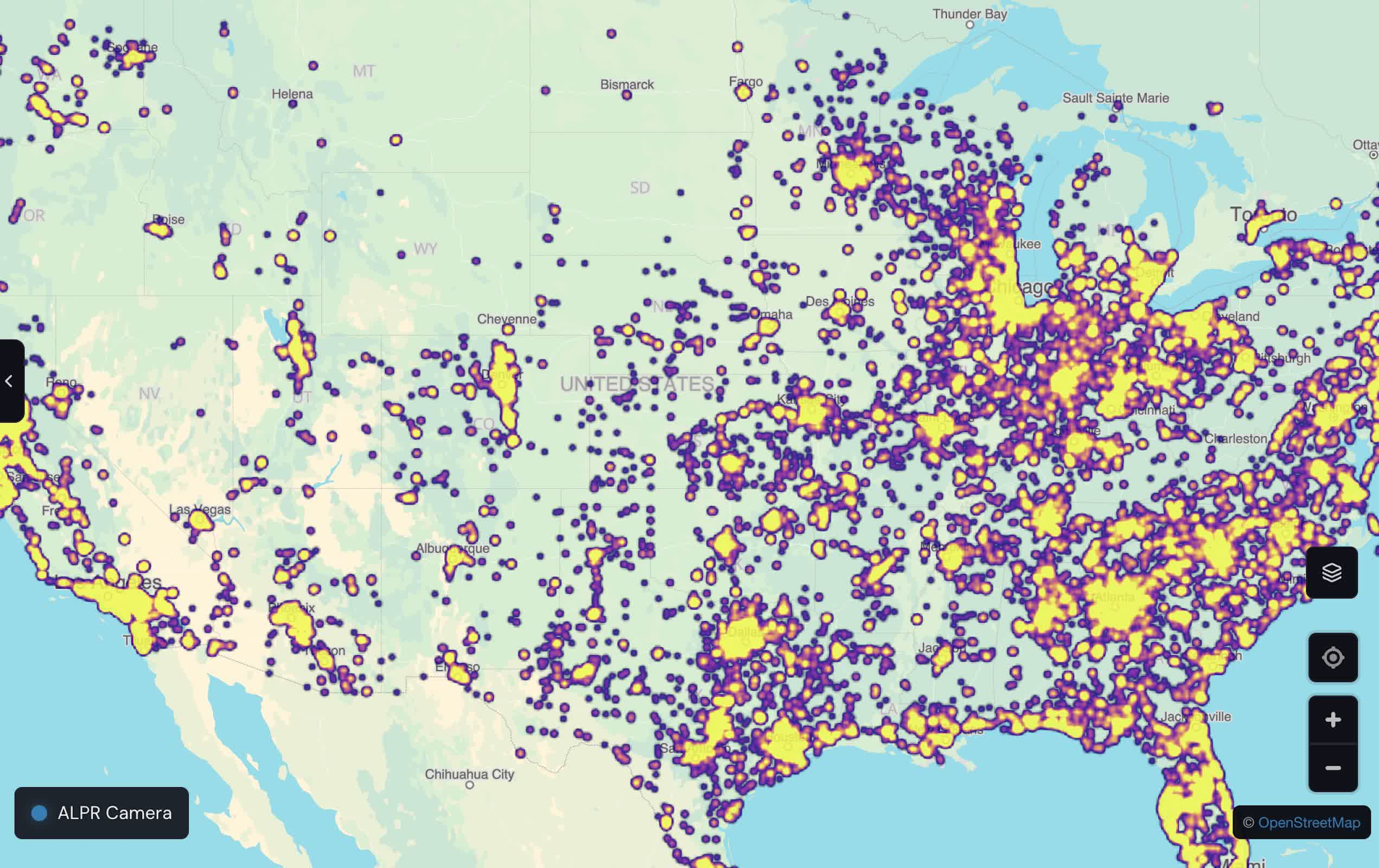
Outside government, some technologists are pushing back in their own way. Software engineer Will Freeman created DeFlock, a crowdsourced map of camera locations that now tracks more than 100,000 devices nationwide. "Overall, I don't think the government should know where we are all the time," he said.
In Troy, the political standoff remains unresolved. After the city council voted to block funding for the cameras, Mantello declared a state of emergency to renew the contract, prompting a lawsuit. Officials have agreed to a 60-day pause to review how the system is being used, and police have suspended data sharing with out-of-state agencies for now.
City Council President Sue Steele said the outcome remains uncertain. "We don't want to deprive law enforcement if this is indeed a helpful tool," she said. "Whether we find a middle ground remains to be seen."