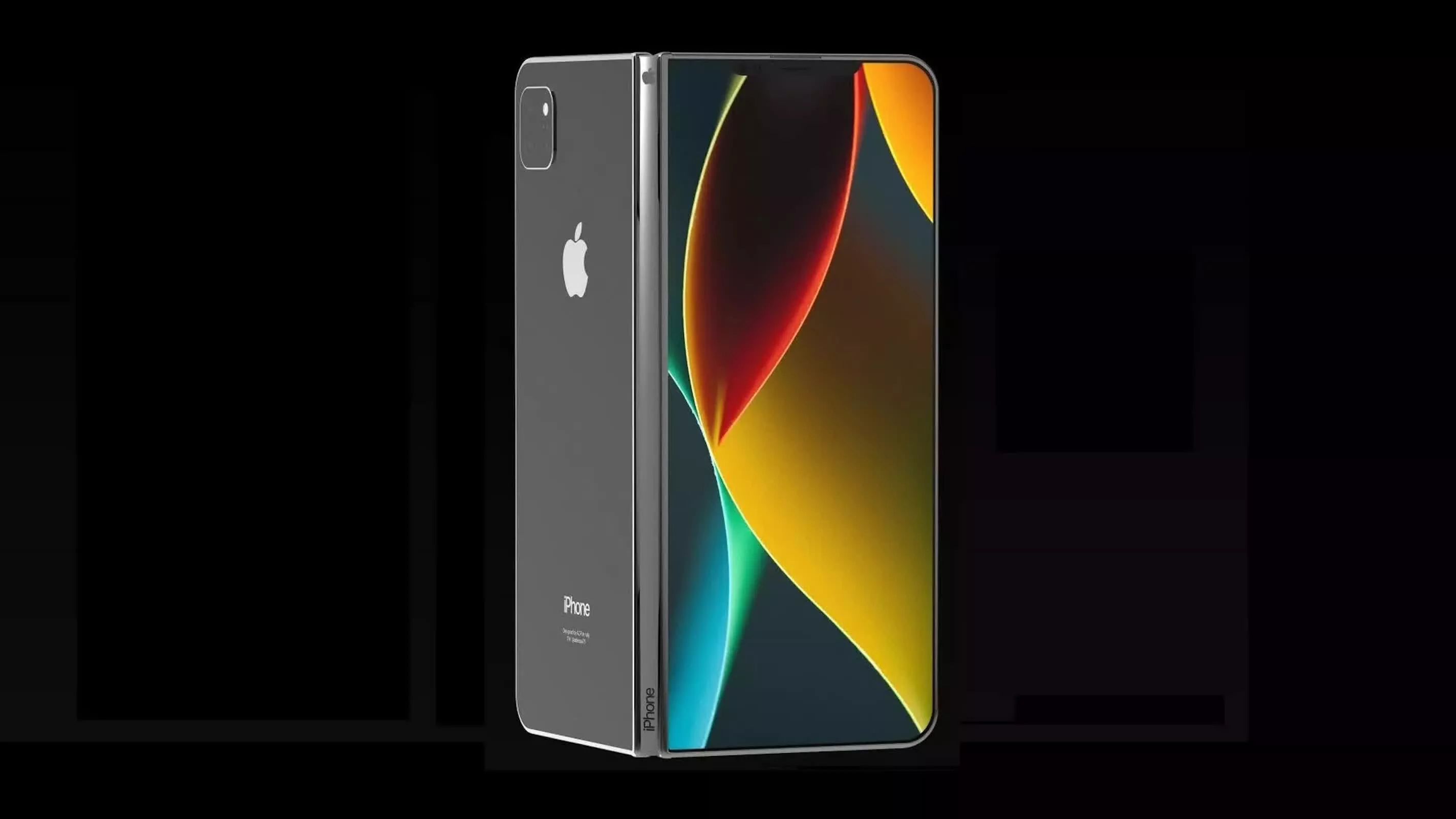
Looking ahead: Despite recently increasing the price of most of its products, Apple still expects to sell around 2 million to 3 million more foldable iPhone Ultra handsets than previously predicted. Cupertino's first folding device is predicted to launch this year and account for 29% of all foldable phone display orders for 2026, just behind market leader Samsung's 31%.
Nikkei Asia reports that Apple has told suppliers to prepare for about 10 million foldable iPhones in 2026, up from forecasts of 7 million to 8 million units a few months ago.
The company is also said to be planning around 70 million iPhone 18 Pro and iPhone 18 Pro Max units, taking new second-half introductions to about 80 million and total annual orders to 220 million.
That's an ambitious target, especially as Apple has spent years watching rivals dominate the foldable market with their versions.
Samsung has been selling foldables since 2019, Huawei has pushed the format hard in China, and clamshell models have helped make the category feel less niche. Apple, as usual, appears to be arriving only once it can charge enough to make everyone forget how late it is.
Counterpoint Research expects global foldable smartphone display orders to hit around 27.5 million units this year, up roughly 24% from 2025. The iPhone Ultra is expected to take 29% of those orders, putting it ahead of Huawei's 24% and only just behind Samsung.
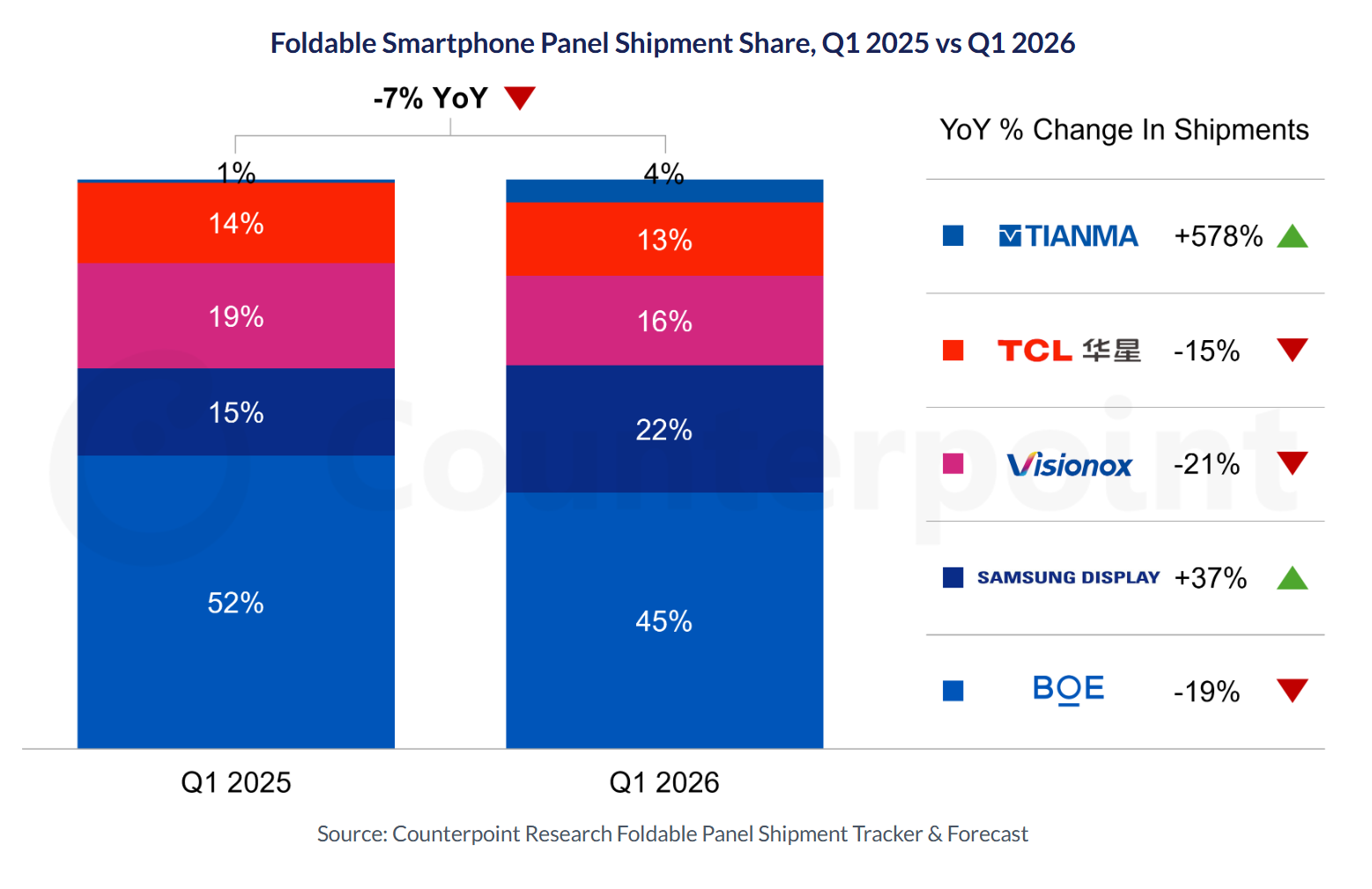
Samsung Display is widely expected to supply the OLED panels for Apple's first foldable, which would make the Korean company a winner even if its own devices face more pressure.
IDC predicts that the foldable iPhone Ultra could have an average selling price of around $2,500, with higher-storage models reaching as much as $3,000, making it the most expensive iPhone Apple has ever sold.
Apple is already raising prices elsewhere. Last week, MacBooks and iPads became about 20% more expensive globally, Apple TV went up more than 50%, and even the already expensive Vision Pro rose by $200. The iPhone line has so far avoided the same treatment, but Apple, like so many other companies, has said memory and storage costs are forcing price increases across parts of its portfolio.
There's been excitement about a folding iPhone for years now. Many iOS users have looked at Samsung's foldable lineups with envy but refused to make the switch to Android. We'll just have to wait and see how many are willing to hand over $2,500 to $3,000 for Apple's version.