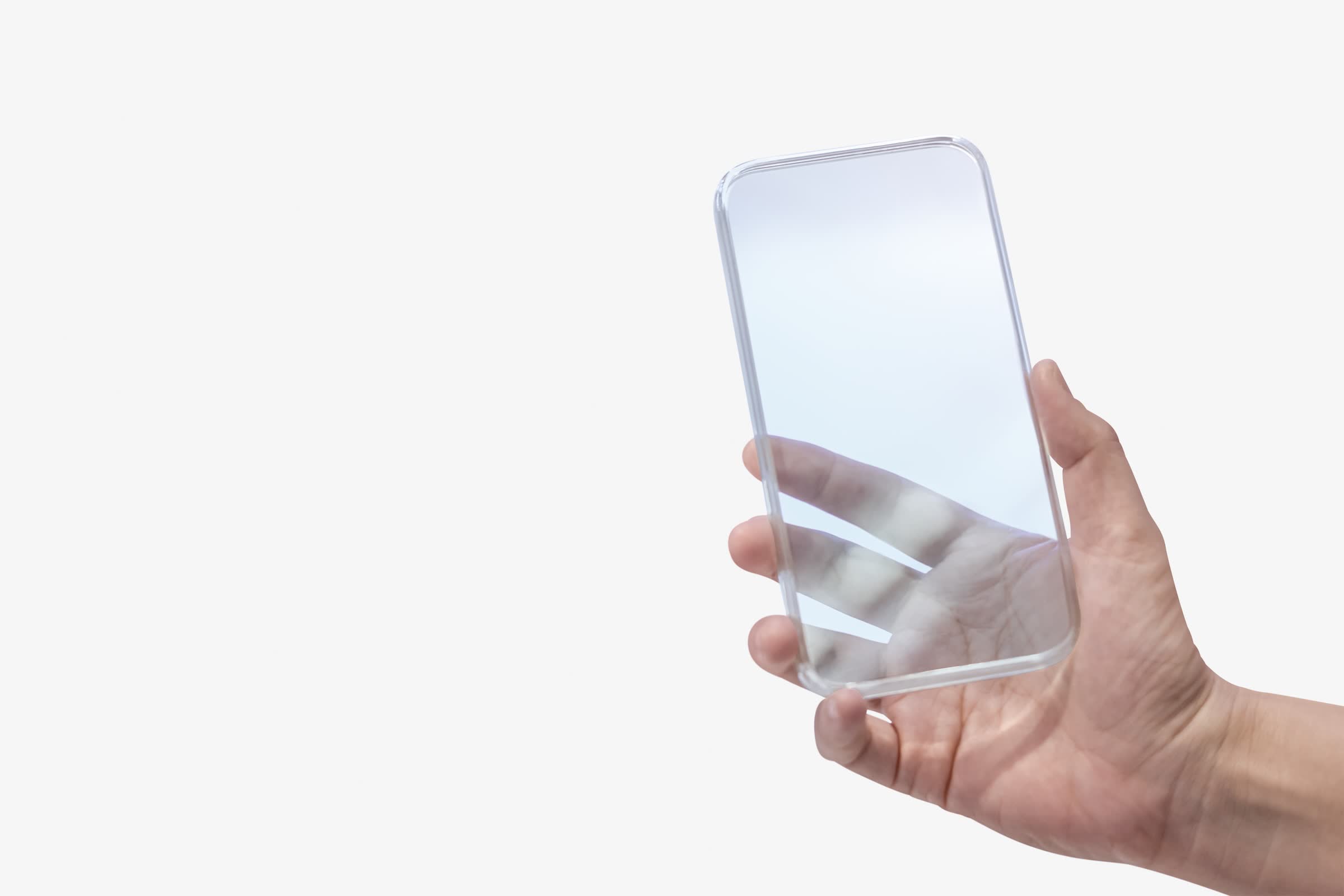
Rumor mill: SpaceX has begun showing investors a prototype of a handset-style device, giving them an early look at how the company envisions people using its AI tools. The prototype, which resembles a slim smartphone and is thinner than an iPhone, is designed to run a proprietary OS and integrate AI technology from xAI, Elon Musk's AI company.
The device is still in the early stages of development. SpaceX has told some investors that the design could change and that it is not yet clear whether the product will ultimately come to market. Representatives for SpaceX and Qualcomm did not respond to requests for comment.
Even so, the project shows how Musk is trying to control both the hardware and software behind his AI services. Right now, xAI's chatbot is largely accessed through iOS and Android devices, which means distribution depends on platforms Musk does not control. Building a dedicated device could give SpaceX a more direct path to users.
Some investors in SpaceX and Tesla have been told that Musk has long been interested in creating a consumer device that ties together his various companies. The aim is a single platform that handles AI tools, communication, and other services, so Musk relies less on other companies' systems.
That thinking overlaps with Musk's push for an "everything app," a concept he has promoted since acquiring Twitter, now X, in 2022. According to people familiar with the prototype, the device reflects that same approach. The goal would be to combine multiple functions – such as messaging, payments, and services – into one unified system.
This model has already taken hold in parts of Asia. Apps like WeChat and Alipay allow users to handle a wide range of tasks without switching between different platforms. More recently, companies have started layering AI into these systems, using them to manage tasks and act as a central interface.
SpaceX's approach appears to combine that software model with dedicated hardware. The company already operates the Starlink satellite network, which provides internet access and limited cellular service in partnership with carriers such as T-Mobile. A device built around that network could eventually connect users directly to SpaceX's infrastructure.
Musk has sent mixed signals about entering the phone business. In February, he pushed back on reports that SpaceX was developing a phone, writing on X: "We are not developing a phone." He has also expressed reluctance about the idea more broadly. "The idea of making a phone makes me want to die," Musk said last October. "But if we have to make a phone, we will."
Breaking into hardware would not be easy. The smartphone market is dominated by a few major players, and new entrants face challenges around manufacturing, software ecosystems, and developer support.
Other companies are moving in a similar direction. OpenAI is working on its own AI-focused devices, while ByteDance has released a smartphone built around its Doubao AI model.
For now, SpaceX's device remains a concept. But it shows how competition in AI is starting to extend beyond software into the hardware people use every day – and how companies are looking for ways to control both.