What just happened? X has ended a high-profile dispute with the World Federation of Advertisers, closing a legal fight that had become a proxy for broader tensions between the platform and the advertising industry. The company, owned by Elon Musk, confirmed that both sides had agreed to resolve the case and move forward.
In a joint statement, X Corp. and the WFA said they were "putting the litigation . . . behind them" and that the agreement "resets the relationship between the two organizations." Neither side disclosed the terms.
The settlement brings an end to one part of a lawsuit X filed in 2024, accusing the WFA and several major advertisers of coordinating an "illegal boycott" that diverted "billions of dollars" away from the platform. A federal judge dismissed the case earlier this year, but X appealed in April. That appeal is still ongoing against the other companies named in the suit.
At the center of the dispute was the Global Alliance for Responsible Media, a WFA-backed initiative launched in 2019. Garm was designed to help brands avoid placing ads next to harmful or illegal content, an issue that has become more complex as ad buying has shifted toward automated systems and AI-driven placement.
X argued that the standards promoted through Garm effectively pressured advertisers to pull their spending. The WFA and participating brands rejected that claim, maintaining that companies have the right to decide where their ads run.
As part of the agreement, the WFA said it will not "form or restart Garm or a similar initiative." That decision removes a widely used framework that had shaped how platforms, agencies, and brands approached brand safety at scale.
The group also emphasized that its position on broader principles has not changed. It said it "reiterates its commitment to freedom of speech, a principle first included in WFA's founding constitution back in 1953, and a principle it shares with X." It added that "WFA and X are fully aligned in the view that brands, platforms and consumers will all benefit from brand safety innovation."
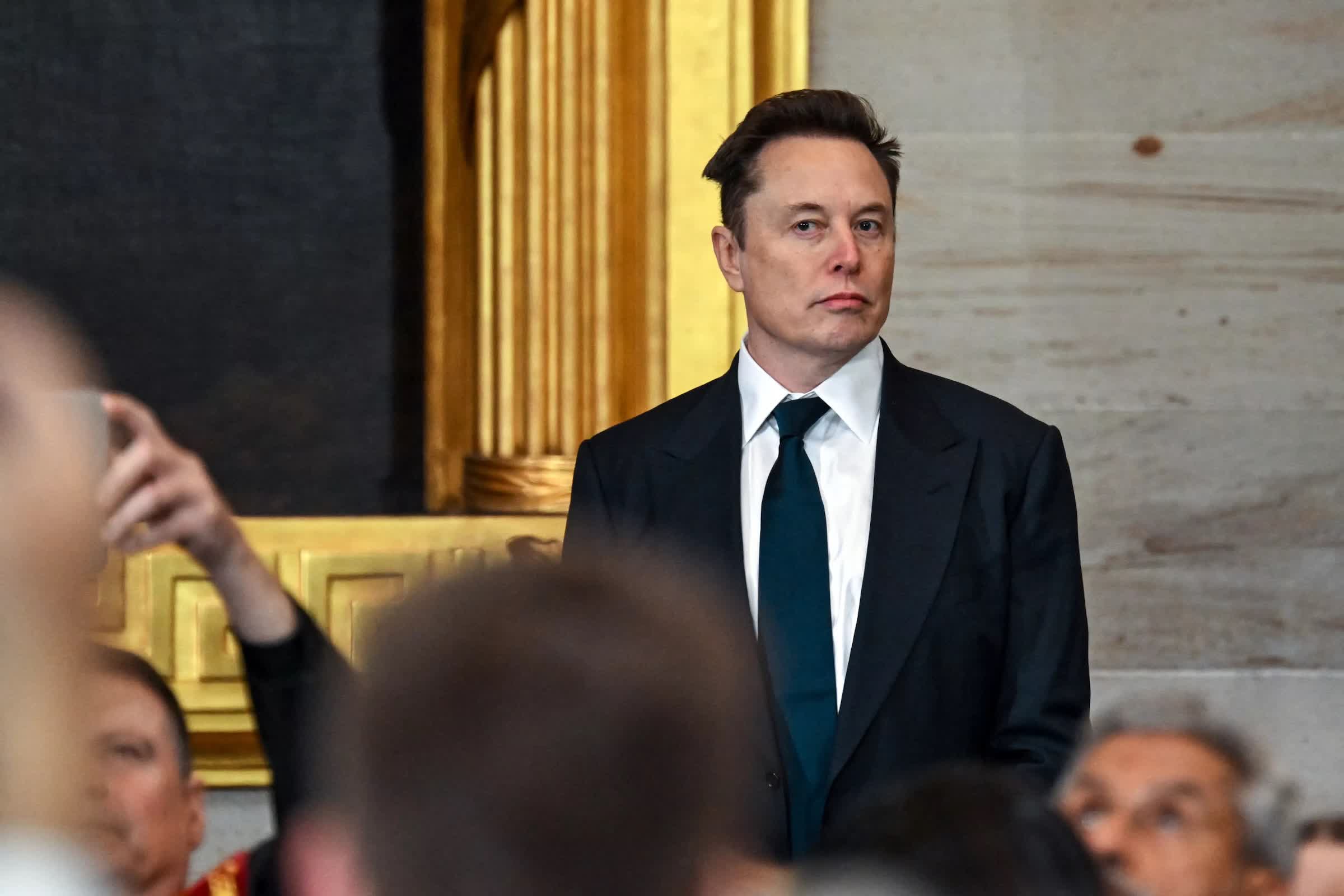
The case stemmed from a sharp drop in advertising revenue at X following Musk's $44 billion acquisition of Twitter in 2022. Many advertisers cut spending amid concerns about content moderation and the risk of their ads appearing next to controversial material.
Those concerns have been amplified by the way modern ad systems work. Much of digital advertising now runs through automated platforms that use machine learning to place ads in real time. While this increases efficiency, it also makes it harder for brands to control exactly where their ads appear, raising the stakes for brand safety tools and standards.
Musk has repeatedly pushed back against advertisers and industry groups over those issues. When X filed the lawsuit, he wrote, "we tried peace for 2 years, now it is war." In a separate incident, he told advertisers to "go *uck themselves" as revenue declined.
– Elon Musk (@elonmusk) August 6, 2024
At the same time, X has been shifting toward a more technology-focused strategy. The company merged with Musk's artificial intelligence venture, xAI, last year, linking its social platform with a growing AI operation that also connects to SpaceX. That move points to a heavier reliance on in-house systems for everything from content ranking to ad targeting.
The agreement with the WFA removes one of the biggest external challenges X had mounted against the advertising industry. But it does not resolve the underlying tension between how platforms manage content and how advertisers decide where to spend.