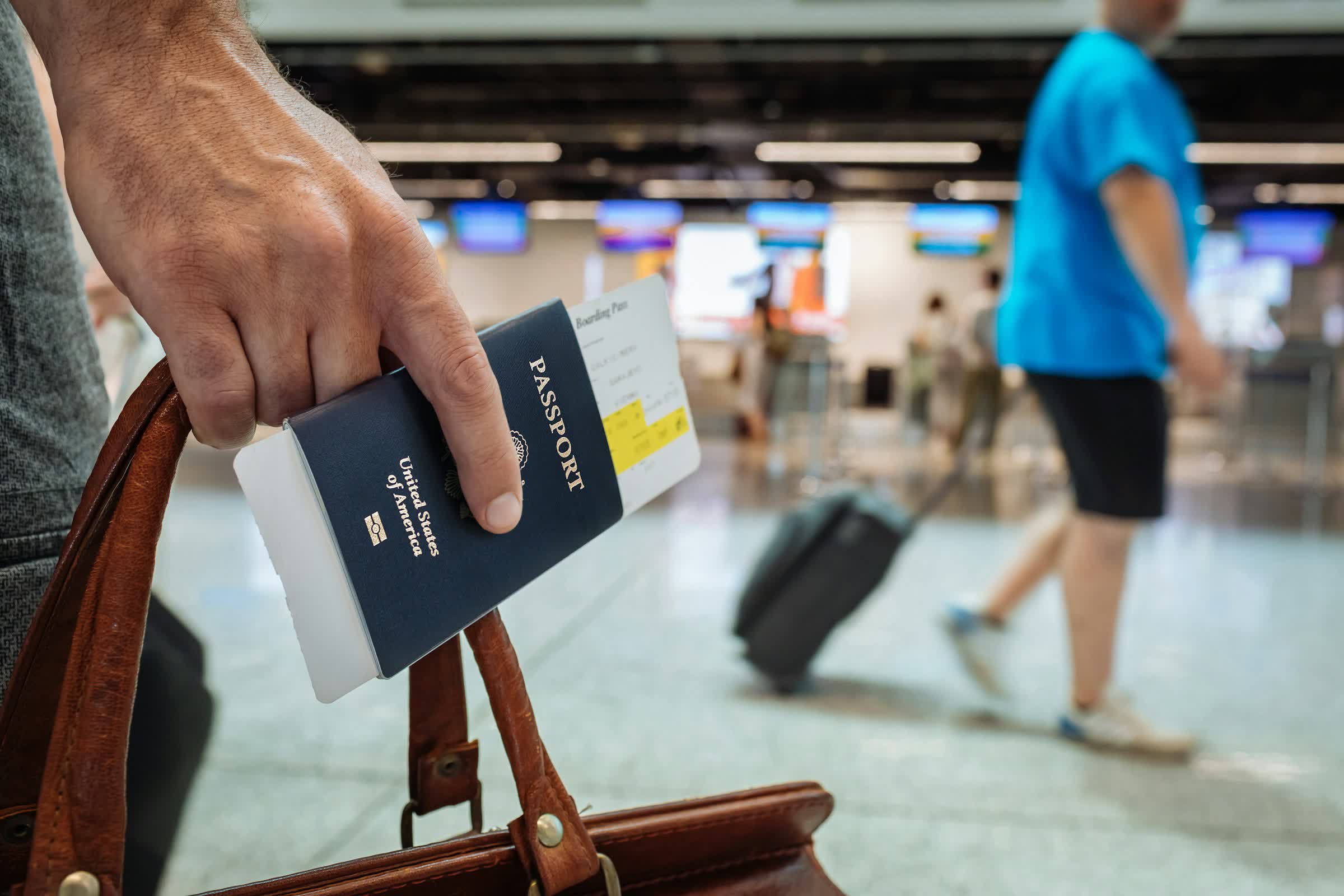
A hot potato: It's been revealed that the SEC bought access to more than one billion airline ticket records without obtaining a warrant, allowing the regulator to monitor people around the world. The database included journeys entirely outside the United States and could alert investigators when individuals booked new flights.
Documents obtained by 404 Media through a Freedom of Information Act request show that the SEC subscribed to the Travel Intelligence Program, or TIP, operated by Airlines Reporting Corporation (ARC). The airline-owned company acts as a financial clearinghouse between carriers and travel agencies, giving it access to a slew of booking information.
The records contained passengers' names, credit card numbers used to buy tickets, departure and arrival cities, flight dates and numbers, and the agency responsible for the sale. Its reach covered US domestic routes, flights to or from the country, and journeys between or within foreign nations.
The SEC's access went beyond just historical searches. Its subscription included an alert system that checked transactions against the names of people the agency was monitoring.
Reports could flag travel purchased during the previous 24 hours, and the SEC sought between one and 25 of these alerts each day. The agency did not respond to requests for comment.
ARC receives data from tickets bought through accredited travel agencies and third-party booking services, rather than purchases made directly from airline websites. Its database covers more than 270 carriers and thousands of travel agencies.
ARC is co-owned by major airlines, including American Airlines, Delta, and United, which supplied the records through the company.
The report is especially surprising because the SEC is a civil financial regulator tasked with investigating insider trading, securities fraud, and market manipulation. It's not an intelligence or counterterrorism agency, yet investigators were using the same post-9/11 surveillance infrastructure sold to organizations such as the FBI, IRS, and Department of Homeland Security.
Critics say buying commercially available records allows government agencies to bypass safeguards that could require a warrant or court order if the information were demanded directly.
ARC announced last November that it was shutting down TIP following pressure from lawmakers and reports about its government contracts. The program ended in 2025, but the newly released SEC documents reveal that its reach was far wider than previously known, and that overseas travelers were included in the system.
In related news, it was reported in March that FBI Director Kash Patel defended the bureau's continued purchase of Americans' location data, despite warnings from lawmakers that the practice sidesteps Fourth Amendment protections.